
Antelope Canyon, USA: Where Light Writes Poetry In Stone
Antelope Canyon
HG
23 Feb 2026 · 5 MIN READ · UPDATED 17 AUG 2026
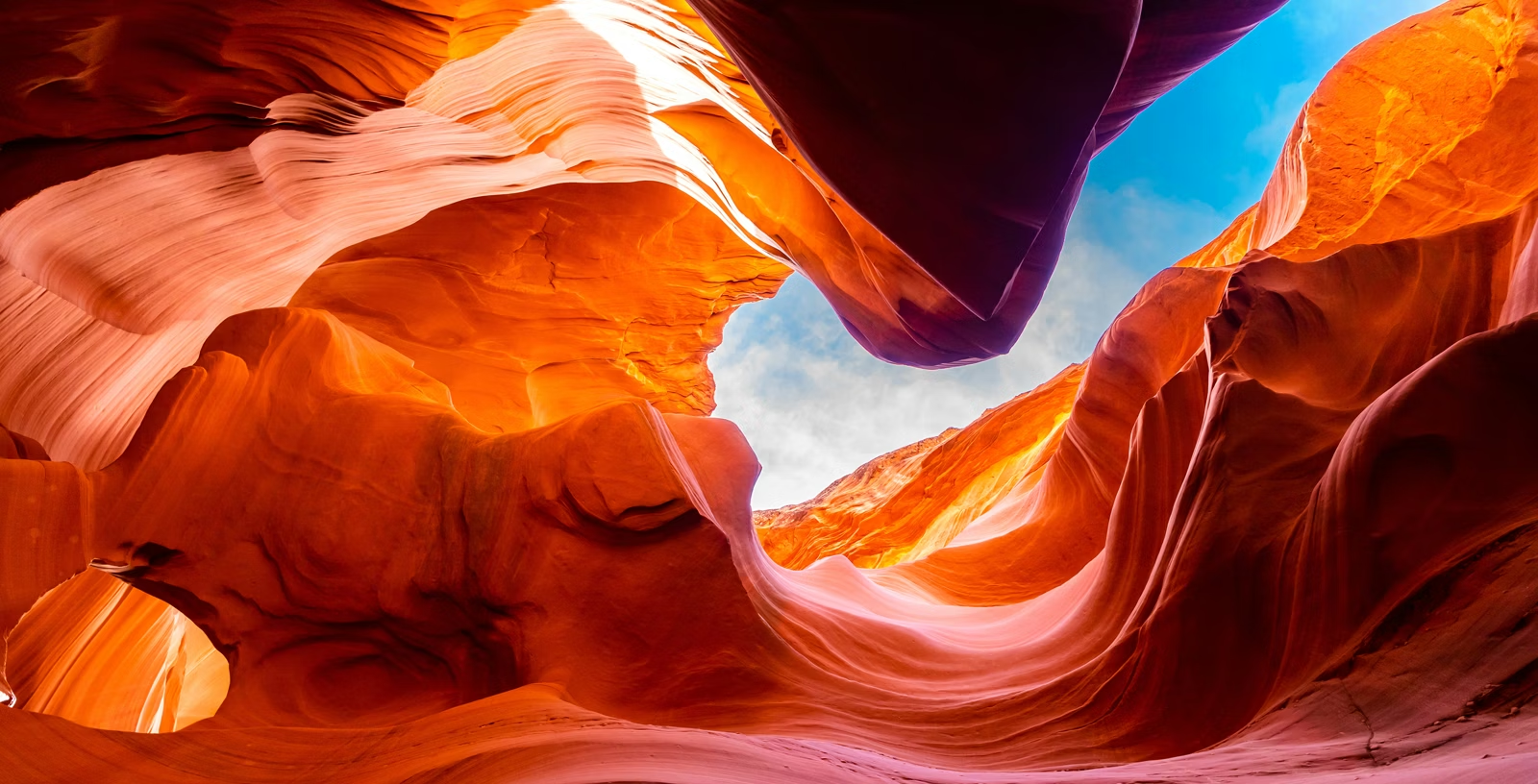
Tucked into the high desert of northern Arizona, Antelope Canyon is one of the American Southwest’s most photographed natural landmarks. Located on Navajo land near Page, this narrow slot canyon is celebrated for its sculpted sandstone walls and dramatic shafts of sunlight that filter through the openings above. Visiting requires advance planning and a guided tour, but the payoff is access to one of the most visually striking landscapes in the United States - an essential stop for design lovers, photographers, and travelers seeking an iconic desert experience
When the Canyon Comes Alive
In the high desert of northern Arizona, the land seems to breathe with color. Wind and flash floods have sculpted the sandstone into flowing corridors of amber, blush, and honey, creating the otherworldly curves of Antelope Canyon. Located on Navajo land near Page, this slot canyon feels less like a destination and more like a living gallery.
As the sun climbs, the canyon awakens in layers. Soft peach tones at dawn melt into molten gold by midday, before deepening into rust and rose as afternoon shadows stretch across the walls. Sunbeams spill through narrow openings overhead, slicing the canyon with ribbons of light that shift by the minute. The sandstone appears fluid, frozen mid-wave, its curves rippling as you move through the narrow passageways.
There is a reverent stillness here. Voices lower instinctively. Footsteps echo gently, becoming part of the canyon’s natural rhythm. The air feels cooler, the world outside strangely distant. With no signal and no distractions, your senses recalibrate - eyes tracing every curve, breath syncing with the hush of stone. In these sculpted corridors, time doesn’t rush; it lingers, allowing awe to unfold at its own unhurried pace.

At midday, the canyon walls ignite with warm tones of amber, blush, and copper, turning shadow into texture and stone into sculpture
Photo Credit: Antelope Canyon Tours
What to Do: Experiences in the Canyon Country
Guided Canyon Tours
Access to Antelope Canyon is exclusively through guided tours led by Navajo guides. Their stories add cultural depth to the visuals, this is not just a geological wonder, but a sacred landscape shaped by tradition and stewardship. Visitors can choose between Upper and Lower sections, each offering a distinct mood: one dramatic and luminous, the other adventurous and intimate.

Guided walks reveal the hidden curves and glowing chambers of Antelope Canyon
Photo Credit: Antelope Canyon Tours
Photography Walks
For shutterbugs, Antelope Canyon is legendary. Late morning to early afternoon is prime time for iconic light beams in Upper Antelope Canyon, while Lower Antelope Canyon offers more varied compositions with ladders and stairways revealing new angles at every turn.

A single beam of sunlight slips between the canyon’s narrow openings, briefly transforming the sandstone into a glowing canvas
Photo Credit: Antelope Canyon Tours
Explore the Surroundings
Pair your canyon visit with a stop at Horseshoe Bend, where the Colorado River loops around a dramatic sandstone curve. If time allows, venture to Lake Powell for kayaking, boating, or a serene sunset cruise.

The Colorado River curves dramatically at Horseshoe Bend - a must-see pairing for any Southwest itinerary
Photo Credit: Antelope Canyon Tours

Exploring hidden coves by kayak on Lake Powell offers a slower, more intimate way to experience the canyon landscape
Photo Credit: Lake Powell Paddleboards and Kayaks
Where to Stay: Chic Comfort in the Desert
Luxury Hotels & Resorts in Page
+ Amangiri: A world-renowned minimalist desert sanctuary offering private pools, canyon-view suites, and one of the most cinematic spa settings in the Southwest. Ideal for travelers seeking ultra-luxury and architectural drama.
+ Lake Powell Resort: A classic lakeside retreat with sweeping water views, sunset cocktails, and easy access to boat tours on Lake Powell.

Minimalist architecture melts into the desert at Amangiri, where pale stone walls echo the surrounding canyon landscape
Photo Credit: Aman
Stylish Mid-range Comfort
+ Hyatt Place Page at Lake Powell: Modern, reliable comfort with desert views and convenient access to Antelope Canyon tours.
+ Courtyard Page at Lake Powell: A polished option with contemporary design, ideal for travelers who want comfort without splurging.

Modern comfort meets wide-open desert views at Hyatt Place Page, an easy base for early canyon departures
Photo Credit: Hyatt
Glamping & Scenic Retreats
For a more immersive experience, nearby luxury glamping sites and desert eco-lodges offer stargazing decks, firepit lounges, and sunrise views over open canyonland, perfect for couples and slow travelers who want to linger in the landscape.
How to Travel to Antelope Canyon
Reaching the Canyon
Antelope Canyon sits on Navajo Nation land about 10 minutes east of Page, Arizona. While public transit options are extremely limited in this remote part of the Southwest, the most practical way to get there is by car or guided tour transfer. If you’re flying in, book a flight to Page Municipal Airport, which has connections from major hubs like Phoenix and Las Vegas. From there, it’s a short scenic drive to the canyon entrance.
From Nearby Cities
+ From Page, AZ: A short 15-30 minute drive east on AZ-98 brings you to the tour meeting points for Upper, Lower, and other slot canyon access points. Parking is available at the operators’ lots.
+ From Las Vegas, NV: Many visitors choose a road trip from Las Vegas, roughly 4.5-5 hours away, traveling through desert and red-rock landscapes.
+ From Phoenix, AZ: The drive north to Page takes about 4.5-5 hours, passing scenic stops like Sedona and Flagstaff en route.
Guided Transportation Options
Because there’s no regular shuttle or rideshare service directly to Antelope Canyon, most travelers either rent a car or book a guided bus or tour package from nearby cities. Some tour operators offer round-trip transport from Las Vegas or airport pickup options, which can simplify logistics if you prefer not to drive long distances yourself.
Travel Tips: Plan Smart & Stay Prepared
Book Ahead & Time It Right
Antelope Canyon tours have limited daily capacity and fill up quickly, especially during the peak season from spring through early fall, so it’s essential to book your guided tour several weeks in advance to secure your preferred time slot.
Best Times of Day & Year
Tours generally operate between early morning and late afternoon, with the most striking light beams - those iconic shafts of sun filtering into the slot - visible between roughly 10 AM and 1:30 PM from spring to early fall. Consider an early-morning weekday slot if you want fewer crowds.
What to Bring (and What Not to Bring)
+ Hydration & Sun Protection: Bring a small reusable water bottle, sunscreen, a hat, and sunglasses, desert conditions are dry and sunny even when you’re not in direct sun.
+ Dress for the Terrain: Wear closed-toe, sturdy shoes and lightweight, breathable clothing in summer.
+ Limit Your Load: Only small personal items are permitted on the canyon walk, larger bags, backpacks, tripods, monopods, and selfie sticks are not allowed inside the canyons due to safety and space constraints.
Safety & Conditions
+ Arrive Early: Plan to be at the tour meeting point at least 30 minutes before your scheduled start time to check in and get briefed.
+ Weather Awareness: Tours run year-round but can be suspended or rescheduled in case of unsafe weather, especially flash flood risk.
+ Physical Considerations: Some canyon sections involve climbing stairs and navigating narrow, uneven terrain - choose your tour section based on fitness and comfort level.
+ No Restrooms in the Canyon: Facilities are located only at the tour offices, so take care of necessities before you enter.
Respect the Land & Guides
+ Touching the canyon walls can damage the delicate sandstone, so avoid contact during your visit.
+ Cell service may be limited or unavailable inside the canyon.
+ It’s customary to bring a small amount of cash to tip your Navajo guide, typically $3-$5 per person, as a gesture of appreciation.
Antelope Canyon delivers more than a scenic detour, it offers a masterclass in how nature shapes space, light, and mood. Whether you come for the photographs, the cultural context shared by Navajo guides, or the surrounding landscapes of Lake Powell and Horseshoe Bend, the experience rewards travelers who plan well and slow down. In a region known for epic scenery, Antelope Canyon stands apart - not just as a landmark, but as a destination that defines the journey itself.
Spot something wrong? Email editors@globalchicvoyage.com. We log every correction publicly.
RELATED
SEE ALL →
4 Feb 2026 / 5 min

20 May 2026 / 5 min
9 Mar 2026 / 5 min
9 Feb 2026 / 5 min