
Chasing The Northern Lights: The Rise Of Aurora Tourism And Where To Go
c
VJ
25 Mar 2026 · 5 MIN READ · UPDATED 17 AUG 2026
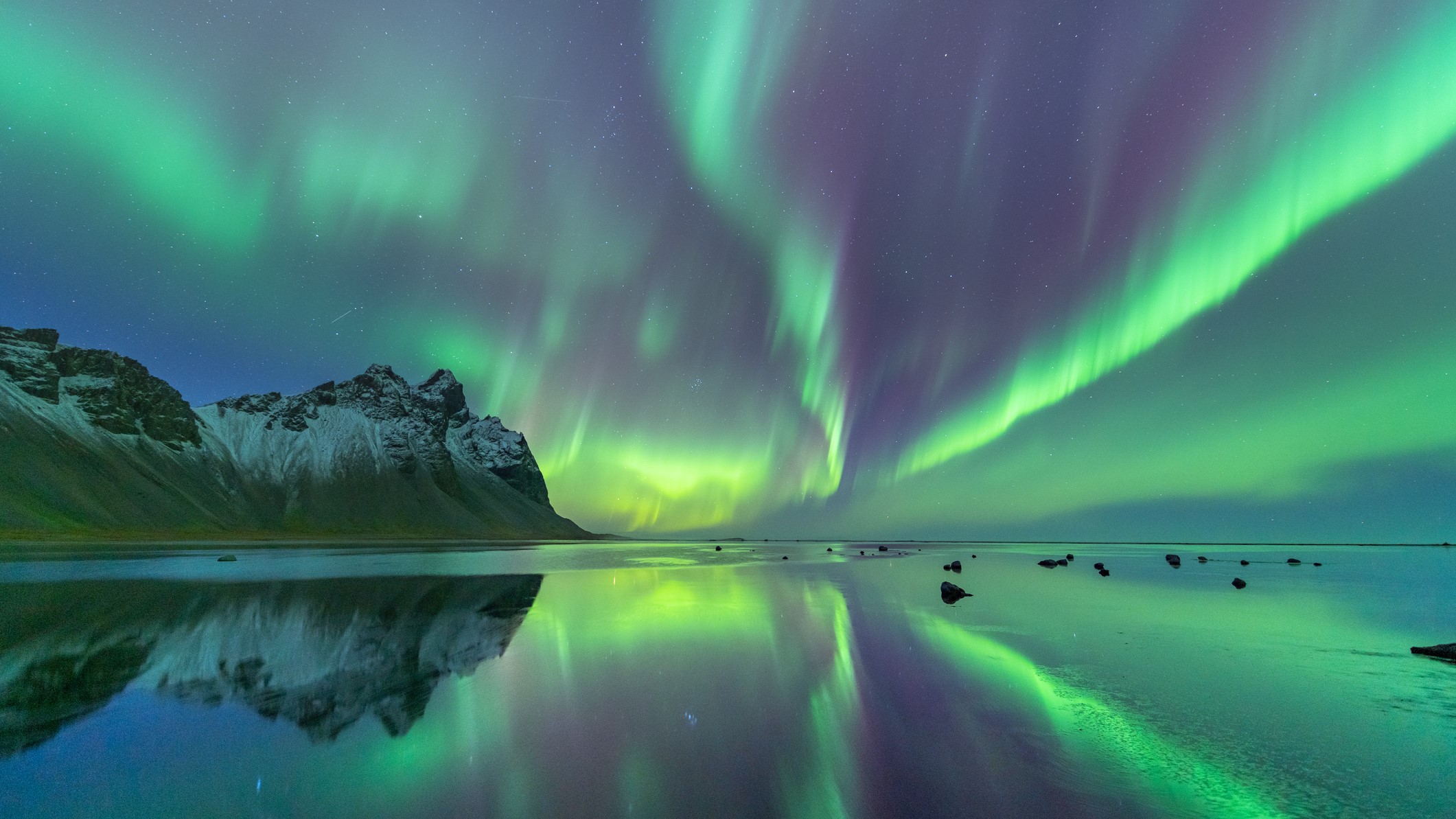
Once a niche pursuit for Arctic explorers and photographers, chasing the Northern Lights, also known as the aurora borealis, has evolved into one of the world’s most compelling travel trends. Today, it sits at the intersection of experiential travel, “noctourism”, and slow adventure, drawing travelers toward remote, high-latitude landscapes in search of a fleeting, celestial spectacle.
A Travel Trend Written in the Sky
The surge in Northern Lights tourism is no coincidence. A recent peak in solar activity has intensified auroral displays, making them brighter, more dynamic, and occasionally visible in regions far beyond the Arctic Circle. At the same time, a cultural shift toward experience-led travel where memories outweigh material luxury has elevated aurora chasing into a modern rite of passage.
Equally significant is the rise of “noctourism” - a movement that reframes nighttime as an immersive landscape rather than a limitation. In this context, the Northern Lights are more than a visual phenomenon, they are the centerpiece of a broader sensory journey defined by darkness, silence, and vastness.

Photo Credit: Northern Light Travel
Understanding the Aurora
The aurora borealis forms when charged particles from the sun collide with Earth’s magnetic field and atmosphere, releasing energy in the form of luminous ribbons across the sky. Oxygen produces greens and reds, while nitrogen creates purples and blues, resulting in ever-shifting compositions that feel almost choreographed.
These displays occur within the “auroral oval”, a band circling the Arctic that passes through Scandinavia, Iceland, northern Canada, and Alaska. While forecasting tools have improved, the aurora remains inherently unpredictable - part science, part serendipity.
Where to Go: Top Northern Lights Destinations
Tromsø - The Arctic Gateway
Often referred to as the capital of the Arctic, Tromsø offers one of the most reliable aurora-viewing experiences in Europe. Surrounded by fjords and mountains, the city serves as a base for guided “aurora chases” that track clear skies across the region.
Why go:
+ High success rates within the auroral oval
+ Easy access to guided excursions
+ A lively cultural scene amid polar night

Photo Credit: Getty Images
Finnish Lapland - Immersive Nordic Escape
In Lapland, aurora viewing becomes an architectural and sensory experience. Glass igloos, timber lodges, and design-forward cabins are oriented toward the sky, allowing guests to watch the lights from the warmth of their beds.
Why go:
+ Iconic glass-roof accommodations
+ Deep connection to Sámi culture
+ Long aurora season with frequent visibility

Photo Credit: Borders of Adventure
Abisko National Park - The Blue Hole Effect
Abisko is renowned for its unique microclimate, often producing clear skies when surrounding regions are overcast. This phenomenon, known as the “blue hole”, makes it one of the most statistically reliable aurora destinations.
Why go:
+ Exceptional sky clarity
+ Minimal light pollution
+ Dedicated viewing infrastructure like the Aurora Sky Station

Photo Credit: Lola Akinmade Åkerström
Iceland - Dramatic Backdrops
Few places combine accessibility and raw natural drama like Iceland. Here, auroras appear above glaciers, waterfalls, lava fields, and black-sand beaches, transforming each sighting into a cinematic moment.
Why go:
+ Diverse landscapes for photography
+ Short travel distances between sites
+ Strong aurora activity throughout winter

Photo Credit: Getty Images
Fairbanks - Under the Auroral Oval
Positioned directly beneath the auroral oval, Fairbanks offers frequent and intense displays. The surrounding wilderness enhances the experience, with frozen rivers and snow-covered forests reflecting the light.
Why go:
+ High frequency of sightings
+ Combination of adventure and comfort (hot springs, lodges)
+ Authentic Alaskan wilderness

Photo Credit: MarketaMurrayPhoto.com
Yellowknife - The Aurora Capital
Yellowknife is widely regarded as one of the best places on Earth to see the Northern Lights, thanks to its flat terrain, low humidity, and consistently clear skies.
Why go:
- Long aurora season and high visibility rates
- Purpose-built aurora viewing villages
- Remote, pristine environment

Photo Credit: Destination Canada
When to Go: Timing Your Journey
+ Best season: Late September to March, when nights are longest
+ Peak months: December to February for extended darkness
+ Best hours: Typically between 10 PM and 2 AM
+ Optimal conditions: Clear skies, minimal moonlight, and heightened solar activity
Interestingly, the equinox months - March and September - often bring increased geomagnetic activity, offering a balance between visibility and slightly milder temperatures.
How to Chase the Lights: A Practical Guide
Stay Longer Than You Think
Auroras are never guaranteed. A minimum stay of three nights is essential, though five to seven nights significantly improve your odds.
Follow the Forecast, Not the Itinerary
Flexibility is key. Many experienced travelers prioritize mobility, joining guided tours or renting a car to escape cloud cover.
Choose Location Over Luxury
Remote lodges and dark-sky zones outperform urban hotels. Even a modest cabin in the wilderness can offer a far superior viewing experience.
Prepare for the Cold
Temperatures can drop well below freezing. Thermal layers, insulated footwear, and windproof outerwear are non-negotiable.
Learn to See Differently
Auroras often begin as faint, milky streaks before intensifying. Allow your eyes time to adjust and be ready for sudden transformations.
Beyond the Aurora: Designing the Experience
What distinguishes Northern Lights travel today is the way destinations curate the experience around the phenomenon. Architecture, landscape, and hospitality are increasingly designed to frame the sky.
In Finnish Lapland, glass-domed cabins dissolve the boundary between interior and exterior. In Iceland, geothermal spas offer warm vantage points beneath freezing skies. Meanwhile, in Tromsø, hybrid itineraries combine aurora chasing with whale watching, dog sledding, and Arctic cuisine.
This layering of experiences transforms aurora hunting into something more holistic, less about a single sighting and more about inhabiting a place shaped by winter and darkness.
The Future of Aurora Tourism
As demand grows, sustainability is becoming an important consideration. Fragile Arctic ecosystems face increasing pressure from tourism, prompting operators to adopt more responsible practices - from small-group tours to low-impact accommodations.
At the same time, the current solar cycle suggests that aurora visibility may gradually decline toward the end of the decade. For travelers, this creates a sense of urgency: a limited window in which conditions are especially favorable.
Final Thoughts: The Art of Waiting
Chasing the Northern Lights is, at its core, an exercise in patience. It asks travelers to embrace uncertainty, to step into the cold and the dark without guarantees.
Yet it is precisely this unpredictability that makes the experience so powerful. When the sky finally ignites, rippling with color and motion, it feels less like something observed and more like something witnessed.
A moment suspended between science and wonder, reminding us that the most extraordinary journeys are often the least controllable.
Spot something wrong? Email editors@globalchicvoyage.com. We log every correction publicly.
RELATED
SEE ALL →
25 Feb 2026 / 5 min
27 Apr 2026 / 5 min
11 Mar 2026 / 5 min

24 Feb 2026 / 5 min