
DESTINATIONSTHE VOYAGE ESSAY
Raja Ampat, Indonesia: The Last Paradise For Ocean Lovers
Raja Ampat
MA
4 Feb 2026 · 5 MIN READ · UPDATED 17 AUG 2026
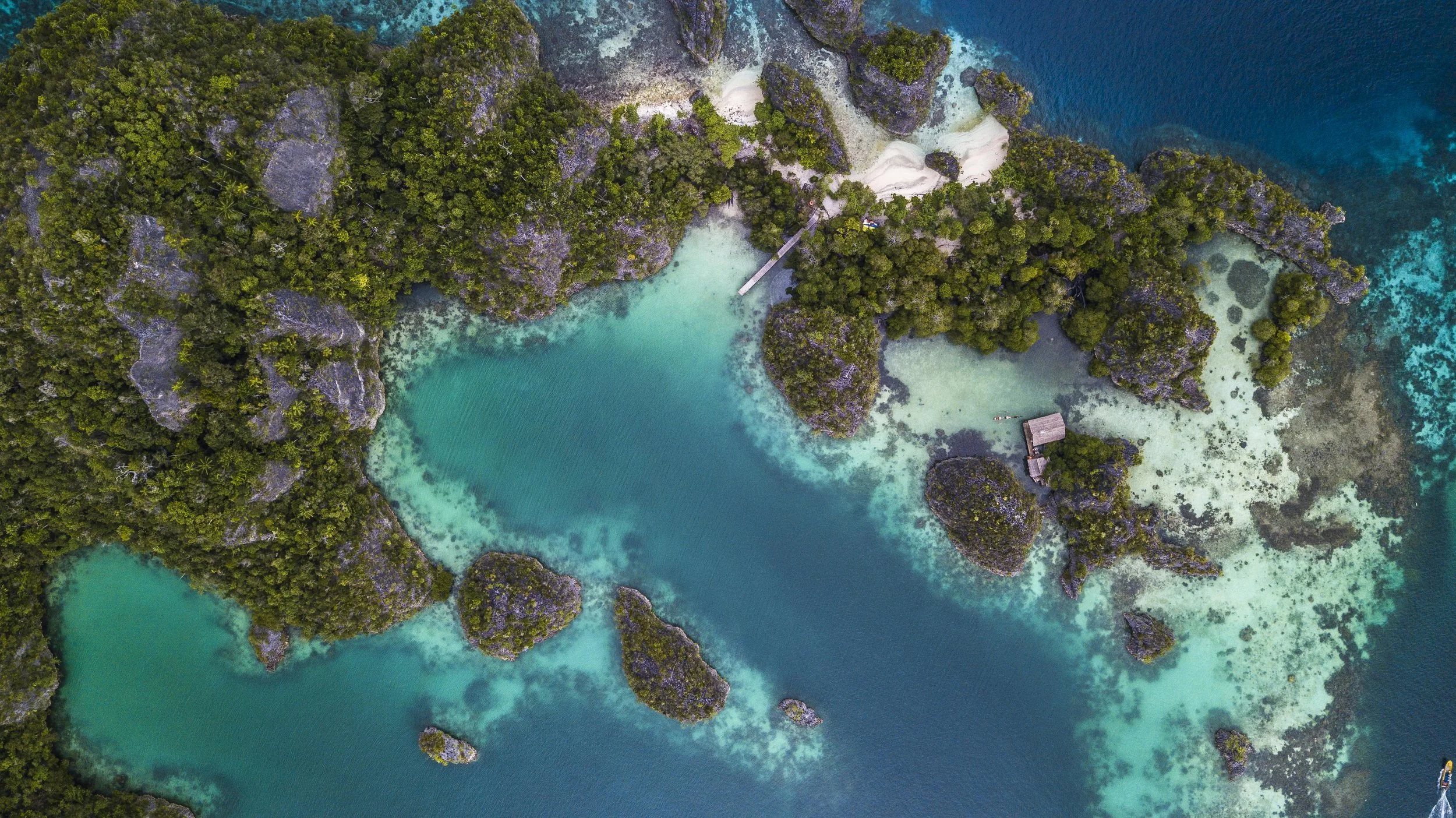
At the far eastern edge of Indonesia, where the Pacific and Indian Oceans converge, Raja Ampat feels like a secret the planet is still trying to keep. An archipelago of more than 1,500 islands scattered across the turquoise waters of West Papua, Raja Ampat is often described in superlatives - the most biodiverse marine environment on Earth, the last paradise. Yet even these phrases fall short. This is a destination where nature remains gloriously untamed, where limestone karsts rise like sculptures from the sea, and where life unfolds at an unhurried, elemental pace.
A Destination Defined by Water
Raja Ampat’s allure begins with its geography. Emerald-green islets punctuate impossibly clear waters, coral reefs glow beneath the surface, and dense jungle blankets the land. Above water, the landscape is cinematic; below, it is otherworldly. Scientists estimate that the region is home to over 75 percent of the world’s known coral species, along with manta rays, whale sharks, pygmy seahorses, and schools of fish so dense they appear to bend light itself.
Despite its ecological importance, Raja Ampat remains refreshingly low-key. There are no mega-resorts or cruise terminals here - only small-scale lodges, village homestays, and a deep respect for the natural environment.

Limestone karsts rise from the turquoise waters of Raja Ampat
Photo Credit: Tobias Zimmer

A thriving coral reef beneath Raja Ampat’s surface
Photo Credit: Shawn Heinrichs
What to Do: Experiences on and Beneath the Surface
Diving and Snorkeling
Raja Ampat is consistently ranked among the world’s top dive destinations, and for good reason. Sites like Cape Kri, Blue Magic, and Manta Sandy offer encounters with vibrant coral gardens and large pelagic species. Even snorkelers, without tanks or certification, can experience thriving reefs just meters from shore.

Diving under the Raja Ampa waters
Photo Credit: Tobias Zimmer
Island Hopping and Lagoon Exploration
Above the surface, island hopping reveals hidden beaches, narrow lagoons, and dramatic viewpoints. Pianemo and Wayag are the most iconic, with their mushroom-shaped limestone formations rising from luminous waters - an image that has become synonymous with Raja Ampat.

Aerial view of Raja Ampat’s emerald islets, where jungle-clad landforms dissolve into crystalline seas
Photo Credit: Mosaic Studios
Kayaking and Paddleboarding
Gliding silently through mangroves or along calm bays by kayak allows travelers to experience the islands at an intimate scale. It’s one of the most peaceful ways to absorb the region’s stillness.

Paddleboarding across Raja Ampat’s glassy waters offers a serene, intimate way to experience the archipelago
Photo Credit: Justin & Andreea Lotak
Cultural Encounters
While nature takes center stage, local Papuan culture adds depth to the journey. Visits to nearby villages offer insight into traditional fishing practices, sago harvesting, and the close relationship between communities and the sea.

A coastal village in Raja Ampat reflects the deep connection between local Papuan communities and the sea
Photo Credit: Justin & Andreea Lotak
Where to Stay: Remote Luxury and Conscious Comfort
Accommodation in Raja Ampat is defined by simplicity, sustainability, and location. Rather than polished glamour, the luxury here lies in privacy, pristine surroundings, and thoughtful design.
Eco-lodges
Boutique eco-lodges such as Misool Eco Resort or Papua Paradise Eco Resort blend seamlessly into their settings, often built from local materials and powered by renewable energy. Overwater bungalows and beachfront villas offer uninterrupted views of the sea, with a strong emphasis on conservation.

Papua Paradise Eco Resort
Photo Credit: Papua Paradise Eco Resort
Liveaboards
For dedicated divers, liveaboard yachts offer access to Raja Ampat’s most remote and pristine reefs. Vessels such as Arenui, Pindito, Damai I & II, and Blue Manta combine carefully planned itineraries with high levels of comfort, experienced dive teams, and thoughtful onboard service. Waking up above world-class dive sites, these floating hotels transform exploration into a seamless, deeply immersive journey through the archipelago.

Pindito liveaboard yacht
Photo Credit: Pindito
Local Homestays
Community-run homestays are an increasingly popular option, offering authentic experiences and direct support to local families. While facilities are modest, the warmth of hospitality and proximity to nature are unmatched.
Travel Tips: What to Know Before You Go
Getting There
Raja Ampat requires commitment. Travelers typically fly to Sorong via Jakarta or Makassar, then continue by ferry or speedboat to the islands. The journey is long, but that remoteness is precisely what preserves its magic.
Best Time to Visit
October to April offers the calmest seas and best diving conditions, particularly for manta ray sightings. July to September can be windier, though still rewarding for experienced travelers.
Pack Thoughtfully
Facilities are limited, so essentials such as reef-safe sunscreen, motion sickness medication, and cash (ATMs are scarce) are crucial. Connectivity is minimal, consider it an invitation to disconnect.
Respect the Environment
Raja Ampat’s ecosystem is fragile. Visitors are required to purchase a marine park permit, which funds conservation efforts. Responsible snorkeling, diving, and waste management are not optional - they are part of the privilege of being here.
Why Raja Ampat Still Matters
In an era when many tropical destinations are grappling with overdevelopment, Raja Ampat stands apart. It is not untouched, but it is deeply protected. The balance between tourism and conservation remains delicate, and travelers play a role in preserving it.
For those willing to journey far, slow down, and immerse themselves fully, Raja Ampat offers something increasingly rare: a glimpse of the natural world in near-perfect harmony. For ocean lovers, it is not just a place to visit, it is a place to remember, long after the salt has washed from your skin and the horizon has faded from view.
Spot something wrong? Email editors@globalchicvoyage.com. We log every correction publicly.
RELATED
SEE ALL →
4 Apr 2026 / 5 min
21 Apr 2026 / 5 min
14 Apr 2026 / 5 min
4 Feb 2026 / 5 min