
The Cultural Table: How Cuisine Preserves And Transforms Identity
c
EC
21 May 2026 · 5 MIN READ · UPDATED 17 AUG 2026
In every culture, food begins as necessity but evolves into something far more profound: a language of belonging, memory, migration, and adaptation. Long before borders were drawn or histories recorded, recipes carried stories across generations. A bowl of soup, a ceremonial bread, or a spice blend can reveal centuries of trade, colonization, displacement, and resilience. Today, in an era of globalization and digital hyperconnectivity, cuisine remains one of the most visible and emotionally charged expressions of cultural identity, even as it constantly transforms.
The modern dining table has become a site of negotiation between preservation and reinvention. Across the world, chefs, home cooks, and communities are asking the same questions: What does authenticity mean? Who has the right to reinterpret tradition? And how can cuisine evolve without losing the histories embedded within it?
Food as Cultural Memory
Cuisine is often the most enduring cultural artifact a community carries with it. Unlike architecture or language, food can travel lightly. It survives exile, migration, and political upheaval because it can be recreated from memory.
For diasporic communities, recipes become emotional anchors. The preparation of dishes passed down through generations offers continuity in unfamiliar environments. Armenian families preserving recipes after displacement from the Ottoman Empire, Vietnamese refugees rebuilding culinary traditions abroad after the war, or West African communities maintaining ancestral cooking methods across the Atlantic all demonstrate how cuisine functions as a living archive.
Consider the enduring role of pho within Vietnamese identity. While internationally recognized as a national dish, pho itself reflects layers of colonial and regional history. Northern Vietnamese rice noodle traditions merged with French influences such as beef consumption and slow-simmered stock techniques during the colonial period. Following migration waves after 1975, pho evolved differently abroad - sweeter broths in parts of the United States, herb-heavy interpretations in Australia, and luxury versions in global capitals. Yet despite these variations, the dish continues to symbolize home and collective memory for Vietnamese communities worldwide.

Photo Credit: Vietnam Integration Journal
Similarly, Jewish cuisine illustrates how food preserves identity across centuries of diaspora. Dishes such as challah, matzo ball soup, and shakshuka carry regional adaptations shaped by migration through Eastern Europe, North Africa, and the Middle East. Each variation reflects geography while maintaining ritual significance tied to faith, family, and survival.
The Myth and Complexity of “Authenticity”
The contemporary culinary world often romanticizes “authenticity”, yet food history reveals that most cuisines are products of exchange and transformation. Tomatoes, now central to Italian cooking, originated in the Americas. Chili peppers fundamental to Thai and Korean cuisine arrived through colonial trade routes. Japanese tempura evolved from Portuguese frying techniques introduced in the 16th century.
Authenticity, then, is rarely fixed. Instead, it is dynamic - constructed through collective memory, repetition, and social meaning.
This tension becomes particularly visible in immigrant cuisines. Chinese - American dishes such as General Tso’s chicken or chop suey are frequently dismissed as inauthentic, yet they represent legitimate cultural adaptations shaped by labor histories, racism, economic necessity, and local tastes. They tell the story of Chinese immigrants navigating survival and acceptance in America.

Photo Credit: Simply Recipes
In Peru, Nikkei cuisine emerged from Japanese immigration in the late 19th century, blending Japanese precision with Peruvian ingredients and flavors. What began as adaptation eventually became one of the world’s most celebrated culinary movements. Dishes combining sashimi techniques with aji amarillo peppers and citrus now symbolize a hybrid national identity rather than a compromise of tradition.
The debate surrounding authenticity often reveals deeper anxieties about ownership, globalization, and cultural visibility. Food can become politicized when communities fear the erasure or commercialization of their traditions. Yet cultures have always evolved through interaction. The challenge lies not in preventing change, but in ensuring that cultural histories are acknowledged and respected during transformation.
Migration, Power, and Culinary Evolution
Cuisine is also shaped by systems of power. Colonialism, trade, slavery, and migration have profoundly influenced global food cultures.
The spice trade transformed economies and empires while simultaneously reshaping culinary identities across Europe, Asia, and the Middle East. Caribbean cuisines reflect African culinary knowledge merged with Indigenous ingredients and European colonial influences. Creole food traditions in Louisiana emerged from centuries of cultural convergence involving French, Spanish, African, and Native American communities.
Today, migration continues to redefine culinary landscapes in major cities. London’s food culture cannot be separated from South Asian immigration. Parisian dining increasingly reflects North and West African influence. In cities such as Toronto and Singapore, multiculturalism itself becomes the defining culinary identity.
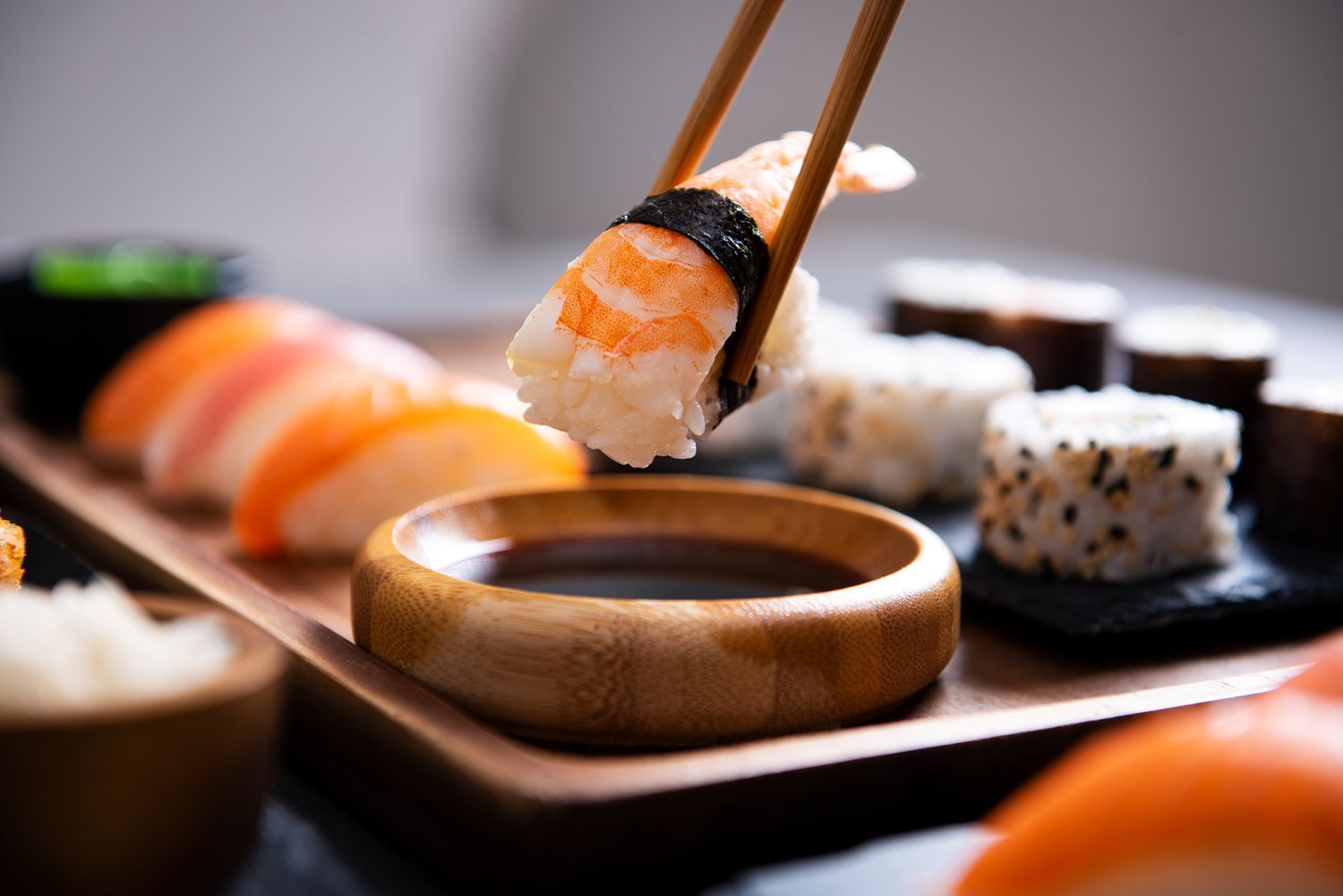
Yet globalization creates contradictions. While cuisines gain international visibility, they are often simplified for mass consumption. Sushi becomes commodified in supermarket packaging; tacos are detached from regional Mexican histories; matcha evolves into a lifestyle aesthetic. Culinary traditions risk becoming visual trends stripped of context.
At the same time, younger generations are reclaiming and redefining these narratives. Many contemporary chefs now approach cuisine not merely as hospitality, but as cultural storytelling.

Photo Credit: Tatjana Baibakova
The Rise of Culinary Storytelling
Across fine dining and independent food cultures alike, chefs are increasingly using cuisine to explore identity, ancestry, and political history.
In Indigenous food movements across North America, chefs are reviving pre-colonial ingredients and techniques that were historically suppressed. By centering native grains, wild herbs, and traditional ecological knowledge, these culinary practices become acts of cultural restoration.
In Mexico, chefs are elevating regional Indigenous ingredients such as corn varieties, cacao, and ancestral fermentation methods while challenging the homogenization of Mexican cuisine abroad. In the Middle East, younger chefs are preserving recipes threatened by conflict and displacement, documenting oral traditions before they disappear.
The restaurant itself has evolved into a cultural space where narratives about migration, gender, memory, and belonging unfold through tasting menus and communal dining experiences. Food journalism, documentaries, and social media have further amplified public awareness of culinary histories previously marginalized or misunderstood.
However, this visibility also raises ethical questions around appropriation. When global markets celebrate a cuisine without acknowledging the people behind it, culinary appreciation can become extraction. The growing conversation around credit, representation, and cultural literacy reflects a broader shift toward more conscious engagement with food cultures.
The Future of Identity Through Food
As climate change, urbanization, and technological innovation reshape the future of food, culinary identity will continue to evolve. Traditional ingredients may disappear due to environmental pressures, while lab-grown proteins and AI-assisted agriculture challenge conventional ideas of heritage cooking.
Yet even amid rapid change, the emotional role of food remains remarkably constant.
Families continue to gather around recipes inherited through generations. Migrants still search for familiar flavors in unfamiliar cities. Communities continue to celebrate identity through festivals, rituals, and shared meals. In a fragmented world, cuisine retains its rare ability to create immediate intimacy across cultural divides.
Perhaps this is why food endures as one of humanity’s most powerful cultural expressions. It is both deeply personal and profoundly collective, capable of preserving memory while embracing transformation. At the cultural table, identity is never static. It is seasoned, exchanged, adapted, and passed forward, one dish at a time.
Spot something wrong? Email editors@globalchicvoyage.com. We log every correction publicly.
RELATED
SEE ALL →
2 Apr 2026 / 5 min

30 Mar 2026 / 5 min

16 Jul 2026 / 5 min

14 Jul 2026 / 5 min