
Tokyo Decoded: 15 Essential Things To Know Before You Go
c
AT
4 May 2026 · 5 MIN READ · UPDATED 17 AUG 2026
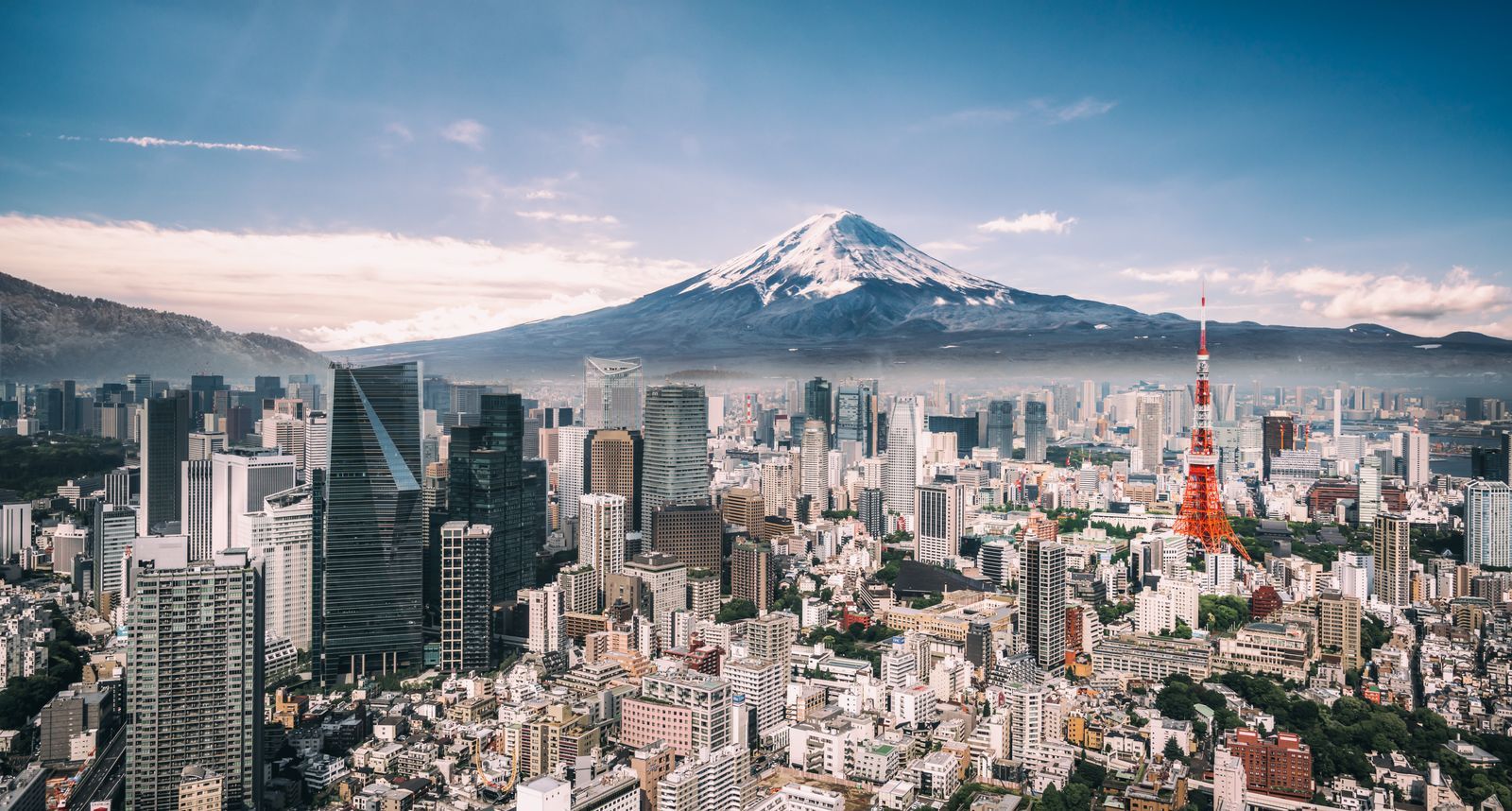
Planning a trip to Tokyo means preparing for a city that is as structured as it is surprising. From choosing the right airport to understanding local etiquette, small decisions can significantly shape your experience. Tokyo rewards travellers who arrive informed - those who know how to move efficiently, dine respectfully, and embrace its unique rhythm. Use this guide as your practical foundation before stepping into one of the world’s most captivating urban landscapes.
1. Fly into Haneda Airport instead of Narita International Airport
Haneda’s proximity to central Tokyo - roughly 20-30 minutes to districts like Shibuya, Shinagawa, and Ginza - makes a noticeable difference after a long flight. Taxi fares are significantly lower, and late-night arrivals are easier to manage thanks to more frequent connections. Narita, while a major international hub, often requires a longer, more structured transfer via express trains or airport buses. If both options are available when booking, Haneda offers a more seamless start to your trip.

Photo Credit: Kazu8
2. Skip the Japan Rail Pass (if staying in Tokyo)
The JR Pass is designed for intercity travel - think Tokyo to Kyoto or Osaka - not for navigating Tokyo’s dense urban network. Within the city, you’ll be using a mix of JR lines, Tokyo Metro, and private railways, many of which aren’t fully covered by the pass. For most travellers, purchasing individual fares or using a prepaid IC card is more economical and far less restrictive. Only consider the JR Pass if you plan multiple long-distance trips within a short timeframe.
3. Tokyo is a city of cities
Rather than a single cohesive centre, Tokyo unfolds as a collection of distinct neighborhoods. Shibuya thrives on energy, fashion, and nightlife, while Asakusa offers a more traditional atmosphere anchored by historic temples. Shimokitazawa leans creative and bohemian, filled with vintage shops and indie cafés. Choosing where to stay and how to group your daily itineraries by area can save time and make your experience feel more intentional.

Photo Credit: Getty Images
4. Public transport is impeccable
Tokyo’s transport system is one of the most efficient in the world, but it can feel overwhelming at first glance. Stations are vast, signage is dense, and multiple operators intersect in a single location. Prepaid IC cards like Suica or Pasmo simplify the process- no need to calculate fares each time. Trains run on tight schedules, so punctuality matters; even a minute’s delay can mean missing a connection. Apps like Google Maps are highly accurate for navigating routes in real time.
5. Walking is part of the experience
Tokyo is best understood at street level. Even short journeys often involve long walks through stations, underground passages, and sprawling intersections like those around Shinjuku Station. Side streets, known as yokocho, are where you’ll find intimate eateries, hidden bars, and unexpected details that rarely appear in guidebooks. Comfortable footwear isn’t just practical; it allows you to explore more freely without fatigue shaping your itinerary.
6. Cash still matters
Despite its high-tech reputation, Tokyo hasn’t fully transitioned to a cashless society. Small restaurants, traditional shops, and even some temples operate on cash-only systems. It’s wise to carry a moderate amount of yen daily. ATMs at 7-Eleven and post offices are among the most reliable for international cards. Having cash also speeds up transactions in busy settings, where efficiency is valued.
7. Convenience stores are a cultural staple
Tokyo’s convenience stores - Lawson, FamilyMart, and others - are an essential part of daily life. Beyond snacks, they offer freshly prepared meals, seasonal specialties, and surprisingly high-quality coffee. They’re also practical hubs for withdrawing cash, printing documents, or even purchasing event tickets. For travellers, they provide a reliable, affordable alternative when time or budget is tight.

Photo Credit: Unsplash
8. Dining is deeply respectful
Dining in Tokyo is guided by subtle but important etiquette. There’s no tipping - exceptional service is standard, not transactional. Many smaller restaurants specialize in a single dish, and menus may be limited or even absent in English. Reservations are often required for popular spots, and punctuality is expected. Simple gestures such as saying “itadakimasu” before eating or returning dishes neatly reflect an appreciation for the craft and care behind each meal.
9. Breakfast culture is minimal - plan your mornings wisely
Tokyo may be one of the world’s great food capitals, but breakfast isn’t a major dining occasion. Most independent cafés and restaurants open around 11am, meaning early mornings can feel unexpectedly quiet. If you’re an early riser, look to hotel dining, international chains, or convenience stores like 7-Eleven and FamilyMart for quick, reliable options. Alternatively, embrace the local rhythm, start your day slowly and build your itinerary around a late brunch rather than a traditional breakfast.

Photo Credit: Travel Pix Collection, AWL Images
10. Silence is golden on public transport
Tokyo’s trains are remarkably quiet, even during peak hours. Conversations are kept low, and phone calls are avoided altogether. Priority seating areas may request that phones be switched off. Observing these norms contributes to the calm, orderly atmosphere that defines the system. It’s less about strict rules and more about collective awareness of shared space.
11. Trash bins are rare
One of Tokyo’s most surprising contrasts is its cleanliness despite the scarcity of public bins. This stems from strict waste management practices and a cultural emphasis on personal responsibility. Travellers are expected to carry their rubbish until they find a suitable place to dispose of it - often back at their accommodation or near convenience stores. Packing a small reusable bag can be unexpectedly useful.
12. Etiquette extends everywhere
Respect is woven into everyday interactions. You’ll notice orderly queues, minimal physical contact, and a general attentiveness to others. In places like Senso-ji, visitors are expected to follow specific customs - cleansing hands before entering, speaking softly, and dressing appropriately. Removing shoes when required and handling objects with care are small but meaningful gestures.
13. Avoid rush hour or prepare for intensity
Tokyo’s rush hour is famously intense, particularly between 7:00-9:00am and again after 5:00pm on weekdays. Major lines such as the Tokyo Metro Tozai Line, JR Chuo-Sobu Line, and JR Yamanote Line become extremely crowded, with stations like Shinjuku and Shibuya operating at full capacity. If possible, plan your travel outside these windows. When unavoidable, consider alternative routes, nearby stations, or even walking shorter distances to bypass the busiest interchanges.
14. Self-service checkouts are the norm
Retail in Tokyo is increasingly automated, with self-checkout systems widely used to streamline service. Stores like Uniqlo, Muji, and GU, along with convenience chains, use smart counters that instantly scan items and calculate totals. Payments are quick and efficient, often requiring just a tap of your card. While the process is intuitive, having a basic understanding of contactless payment methods will make transactions smoother.

Photo Credit: 1 Hotel Tokyo
15. Be prepared to downsize
Space in Tokyo is at a premium, and this is reflected in everything from hotel rooms to restaurants and even luggage storage. Accommodation, particularly in central districts, tends to be compact, with efficient layouts prioritizing function over size. Travelling with smaller luggage, packing light, and staying organized will make navigating tight spaces far more comfortable. This mindset also extends to dining, where intimate seating and minimal layouts are part of the experience rather than a limitation.
Spot something wrong? Email editors@globalchicvoyage.com. We log every correction publicly.
RELATED
SEE ALL →20 May 2026 / 5 min

27 Apr 2026 / 5 min
17 Apr 2026 / 5 min
13 Jun 2026 / 5 min