
Where Fire and Ice Collide: Iceland's Otherworldly Landscapes
The North Atlantic island nation offers a singular journey through volcanic terrain, glacial valleys, and a culture forged by isolation and resilience.
SI
27 Jul 2026 · 5 MIN READ · UPDATED 17 AUG 2026
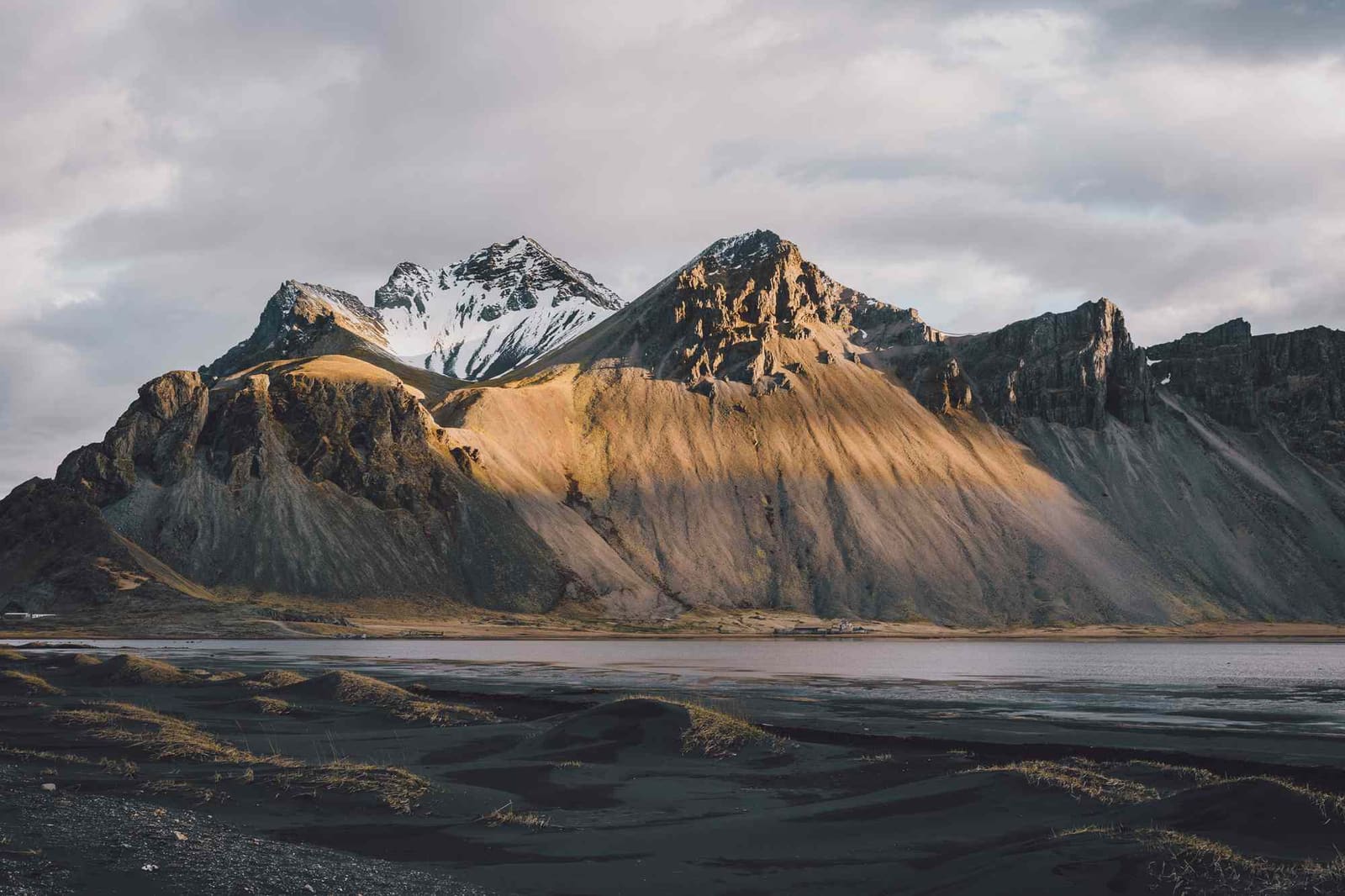
The Landscape That Time Forgot
There's a moment, usually somewhere between Reykjavík and the southern coast, when the familiar geometry of travel dissolves completely. The road unfurls across black sand plains; steam rises from fissures in the earth; mountains appear sculpted not by erosion but by some angrier, more primal force. At Global Chic Voyage, we've watched travelers return from Iceland struggling to find adequate language, reaching for metaphors that inevitably fall short. The comparison to another planet isn't hyperbole. It's the closest approximation available.
The island sits atop the Mid-Atlantic Ridge, where the North American and Eurasian tectonic plates pull apart at roughly two centimeters per year. This geological restlessness manifests in every direction: geysers that erupt with metronomic precision, lava fields frozen mid-flow, hot springs that bubble up through snow. The landscape remains in perpetual creation, violent and beautiful in equal measure.
A Culture Shaped by Extremes
Iceland's 380,000 inhabitants have learned to thrive in conditions that would deter most settlements. Winter brings barely four hours of daylight; summer stretches into endless twilight. The Gulf Stream moderates temperatures enough to make habitation possible, but the weather remains capricious, shifting from sun to sleet within minutes. We've come to appreciate how this environment has shaped a culture of remarkable self-sufficiency and quiet innovation.
The literary tradition runs deep here. Medieval sagas written in Old Norse chronicle family feuds, Viking voyages, and the supernatural beings said to inhabit the island's hidden places. Modern Icelanders maintain this storytelling heritage; the nation publishes more books per capita than almost anywhere else. On winter evenings in Reykjavík, readings and poetry nights fill intimate venues, continuing a conversation with the past that never quite ended.
The Capital's Understated Sophistication
Reykjavík defies expectations of what a capital city should be. With a population under 130,000, it feels more like a cultured town that happens to host a national government. Corrugated iron houses painted in sherbet colors line streets named for Norse gods. The Hallgrímskirkja church rises above the skyline, its concrete columns designed to evoke basalt formations, a modernist interpretation of the island's columnar geology.
The dining scene has evolved considerably over the past decade. Chefs draw from Iceland's natural larder with renewed confidence: Arctic char, langoustine from cold northern waters, lamb that grazes on highland grasses flavored by wild thyme. The New Nordic movement found fertile ground here, where ingredients arrive with stories attached and seasons dictate the menu with uncompromising authority. We've returned to restaurants like Dill and Matur og Drykkur, where the cooking honors tradition without being imprisoned by it.
The Golden Circle and Beyond
Most visitors trace the Golden Circle, that well-worn triangle connecting Þingvellir National Park, Geysir geothermal area, and Gullfoss waterfall. The route offers genuine marvels: Þingvellir's rift valley where you can walk between continents, the Strokkur geyser launching boiling water skyward every few minutes, Gullfoss cascading into a canyon in two dramatic tiers. But the circuit also represents Iceland at its most touristed, coaches arriving in waves, viewing platforms crowded with selfie-takers.
The island's true character emerges along less traveled routes. The Snæfellsnes Peninsula stretches west from Reykjavík, its namesake glacier-capped volcano dominating the skyline. Fishing villages cling to the coast; black sand beaches meet cliffs where seabirds nest in raucous colonies. The Westfjords, even more remote, offer days of driving through landscapes so empty they induce a kind of meditative calm. Here the infrastructure thins to gravel roads and farmhouses, and you begin to understand what isolation actually means.
The South Coast's Raw Beauty
The Ring Road traces Iceland's perimeter, and the southern section delivers the island's most concentrated drama. Waterfalls appear with almost absurd frequency: Seljalandsfoss, where you can walk behind the curtain of falling water; Skógafoss, a sheer 60-meter drop that generates permanent rainbows in the mist. The Dyrhólaey promontory juts into the Atlantic, its natural arch framing views of black sand beaches that stretch toward distant glaciers.
Vatnajökull, Europe's largest ice cap, dominates the southeast. Glacial tongues descend from the main ice sheet, calving icebergs into lagoons where seals bob between frozen sculptures. Jökulsárlón has become iconic, perhaps too much so, but the spectacle of ice in its infinite forms remains genuinely affecting. We've stood at the edge as chunks of glacier, compressed over centuries, reveal blue depths that seem to hold their own light.
The Volcanic Interior
Iceland's Highlands remain largely inaccessible except during the brief summer window when snow clears from the mountain tracks. These routes require four-wheel drive vehicles and careful planning, but they penetrate regions that feel genuinely untouched. The Landmannalaugar area offers rhyolite mountains striped in rust and green, hot springs for soaking after days of hiking, and a silence so complete it becomes almost physical.
The volcanic systems continue their work beneath the surface. Geothermal energy powers much of the nation's electrical grid and heats the majority of homes, an elegant solution born from geological necessity. The Blue Lagoon, perhaps Iceland's most photographed attraction, exists only because of runoff from a nearby power plant, its milky blue water rich in silica. It's a reminder that even the island's tourism infrastructure emerges from the same geological forces that shaped everything else.
Practical Considerations for the Contemporary Traveler
Iceland has shed its reputation as a budget backpacker destination. Hotel rates in Reykjavík rival those of Copenhagen or Oslo; restaurants price meals accordingly. The króna's fluctuations can make planning difficult, but visitors should arrive prepared for expenses that reflect both the country's high standard of living and the logistical challenges of importing most goods to a remote island.
Summer brings crowds and midnight sun; winter offers Northern Lights and solitude, but also road closures and abbreviated daylight. Spring and autumn split the difference, offering more reasonable prices and weather that, while unpredictable, can deliver crystalline days when the light turns everything golden. We've found September particularly rewarding, when tourist numbers thin but most routes remain accessible.
The Question of Scale
Iceland's dramatic growth in tourism, from roughly 500,000 annual visitors in 2010 to several times that number in recent years, has strained infrastructure and raised questions about sustainability. Popular sites show wear; locals in Reykjavík voice concerns about housing costs driven by short-term rentals; and the wilderness experiences that drew early visitors become harder to find without venturing farther from established routes.
The tension between accessibility and preservation defines many destinations, but it feels particularly acute on an island whose appeal rests so heavily on the perception of untouched nature. Responsible travel here means choosing smaller operators, spreading visits across lesser-known regions, and recognizing that the privilege of visiting such landscapes carries obligations.
The Allure That Persists
For all the challenges of overtourism and rising costs, Iceland retains something essential that no amount of visitor traffic can quite diminish. The geological forces operate on timescales that render human presence ephemeral. The weather reminds you, sometimes forcefully, that nature here maintains the upper hand. And in the spaces between attractions, on empty roads through lava fields or coastal paths where only birds mark your passage, the island still offers what it has always offered: a landscape that recalibrates your sense of scale, beauty, and the planet's continuing capacity for transformation.
We return to Iceland not despite its harshness but because of it. The island makes no concessions to comfort, offers no tropical ease. What it provides instead is clarity, a stripping away of the superfluous, and landscapes that remain, even in our saturated visual age, genuinely astonishing. In a world increasingly smoothed and mediated, that rough authenticity feels increasingly rare.
Credit: Makito Umekita / Travel + Leisure
Spot something wrong? Email editors@globalchicvoyage.com. We log every correction publicly.
RELATED
SEE ALL →
8 Jul 2026 / 5 min
17 Jul 2026 / 5 min
23 Jul 2026 / 5 min
13 Jul 2026 / 5 min