
Where Heritage Meets Height at National Gallery Singapore
A new rooftop venue reinterprets the Lion City's culinary soul through Michelin-starred eyes, cereal-crusted corn, and cocktails that remember forgotten classics.
YN
24 Jul 2026 · 5 MIN READ · UPDATED 17 AUG 2026
A Rooftop That Remembers
At Global Chic Voyage, we have watched Singapore's skyline shift year by year - towers climbing, lights multiplying, the Marina Bay silhouette becoming ever more iconic. But the best vantage points have always belonged to those willing to climb, to seek out the terraces where the city's hum softens into something closer to a hymn. The upper floors of National Gallery Singapore have long held this promise, perched above colonial colonnades and contemporary art alike. Now, that promise has been realised in the form of Milli Sky Dining, Bar & Lounge, a venue that sprawls across two levels and marries sweeping harbour views with a menu steeped in local memory.
This is not a restaurant that merely nods to its setting. It embeds itself in it, drawing on the culinary vocabulary of hawker centres, Peranakan kitchens, and neighbourhood kopitiams, then elevating those references through technique and presentation. The architect of this approach is LG Han, whose one-Michelin-starred restaurant Labyrinth has become synonymous with modern Singaporean cuisine. At Milli, his philosophy continues: respect the roots, reimagine the expression.
The Menu as Cultural Archive
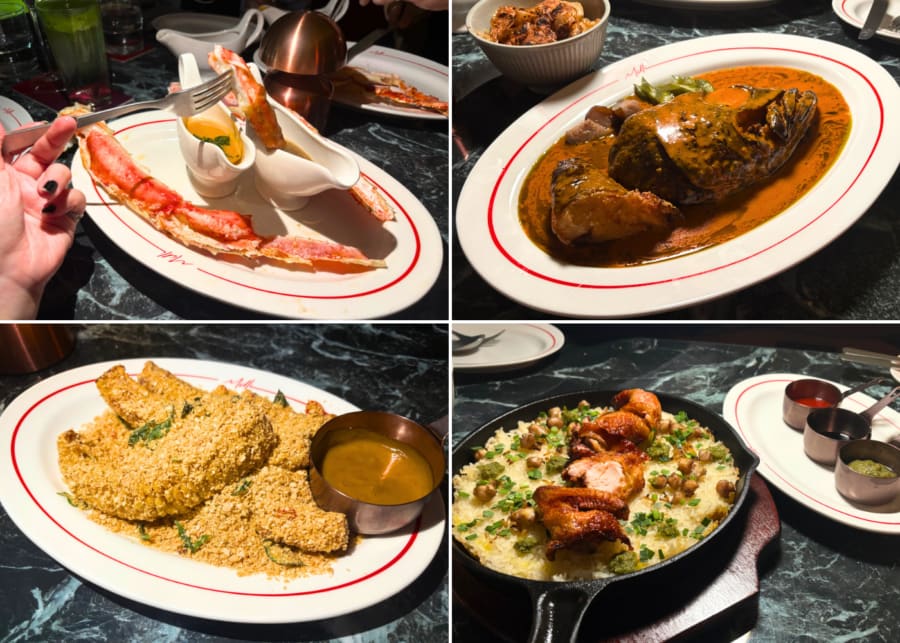
Begin with the cereal corn ribs, a dish that distills the playful irreverence of Singaporean eating into a single bite. Kernels remain juicy beneath a savoury, toasted cereal crust - a texture borrowed from the beloved cereal prawns found in zi char stalls across the island. The sweetness of the corn plays against the umami crunch, creating a snack that is as addictive as it is clever. Priced at twenty-four dollars, it exemplifies the balance Milli strikes between accessibility and ambition.
For those seeking drama, the grilled British cod's head and collar arrives like a centrepiece from a family reunion. The fish is imposing, its cheeks and collar yielding meaty, gelatinous bites that reward the patient diner. Accompanying it is an assam curry beurre blanc, a fusion that marries the tamarind-sour heat of Peranakan cooking with French technique. Roti prata serves as the vehicle, its flaky layers ideal for mopping up the sauce. The dish, priced at forty-eight dollars, is designed for sharing, though the instinct to guard one's portion may prove strong.
The Alaskan king crab leg is indulgence distilled. Served shell-free for convenience, the leg is substantial enough to warrant its ninety-eight-dollar price. White pepper and salted egg sauces are offered on the side, but the flesh needs little adornment - its sweetness and plumpness speak plainly. This is luxury rendered approachable, a dish that requires no ceremony beyond the willingness to savour.
Cocktails That Converse with History
If the food menu reads as a love letter to Singaporean cuisine, the drinks programme is its more experimental cousin. Vijay Mudaliar, founder of Native - a bar that has long championed hyperlocal ingredients - helms the beverage offerings. His approach is archaeological, unearthing forgotten recipes and reinterpreting classics through a contemporary lens.
The Milli cocktail revives the Million Dollar, a creation attributed to Ngiam Tong Boon, the legendary bartender who also gave the world the Singapore Sling. Here, housemade mandarin grenadine mingles with fino sherry and Mancino Bianco, resulting in a drink that leans sweet but remains refreshing. It is a cocktail with lineage, a nod to the city's early twentieth-century bar culture when colonial hotels were laboratories of invention.
The whisky green tea reimagines a staple of Singapore's club scene: Martell with green tea, a pairing that has fuelled countless late nights. Milli's version substitutes scotch whisky and sencha distillate, topped with an earthy matcha foam and brightened by yuzu. The result is both familiar and novel, a drink that honours its inspiration while asserting its own identity. At twenty-six dollars, it offers a gateway into the menu's broader philosophy.
The Peranakan Spritz brings effervescence to the table, combining calamansi, coconut, and ginger flower in a bubbly, aromatic lift. A slice of kueh salat accompanies the drink, its pandan-infused rice layer and coconut custard top providing a sweet counterpoint. The gesture is small but telling - a reminder that Singaporean hospitality has always involved the interplay of sweet and savoury, the blurring of courses.
For those seeking something bolder, the Singaporean Breakfast arrives as a frozen indulgence. Kopi O, kaya, gula melaka, and coconut converge in a slushie that tastes like morning rituals compressed into cocktail form. It is intensely flavoured, best enjoyed slowly as the ice melts and the components mellow. This is not a drink for the timid, but for those willing to embrace Singapore's sweetness - literal and metaphorical.
A Space That Shifts with the Hours
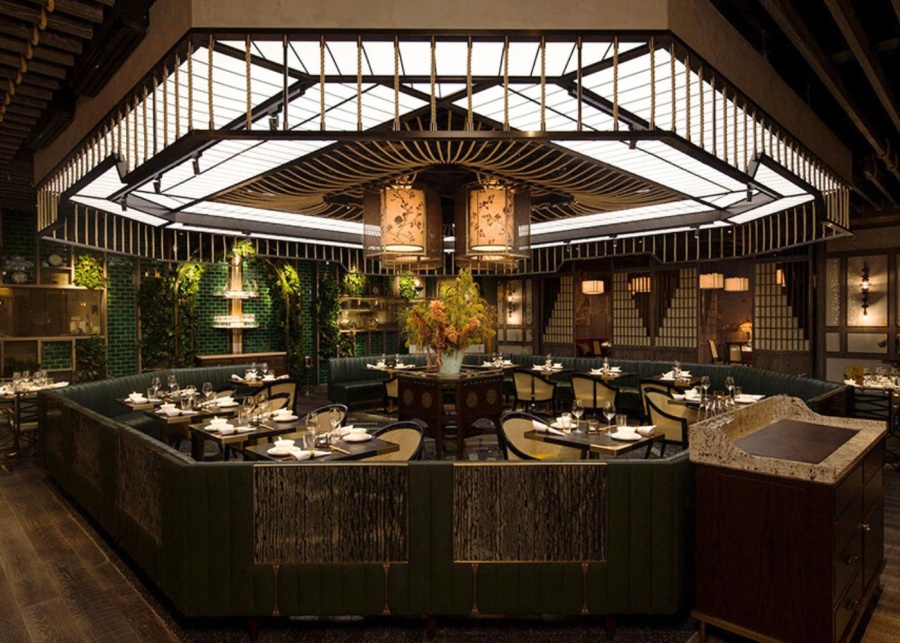
Milli occupies two floors within the National Gallery, each with its own character. The sixth floor houses the restaurant, where the focus is on food and the views that frame it. The fifth floor transforms into the lounge, a space designed for movement, for music, for the kind of night that stretches into early morning. The venue operates with flexible hours, opening at eleven in the morning and extending until one, three, or four in the morning depending on the day of the week.
This duality - restaurant by day, club by night - reflects a broader trend in Singapore's hospitality landscape, where venues are increasingly designed to serve multiple functions. Yet Milli's execution feels less like opportunism and more like an acknowledgment of how the city actually moves. Lunch meetings give way to post-work drinks, which bleed into dinner, which dissolve into dancing. The space accommodates this fluidity without forcing it.
The views, of course, are constant. Marina Bay spreads below, the skyline punctuated by familiar landmarks - Marina Bay Sands, the Fullerton Hotel, the financial district's glittering towers. At dusk, the light softens, and the city takes on a golden glow. After dark, the skyline becomes a constellation, each building a point of light in a larger pattern. It is a view that has been photographed countless times, yet it retains its power to stop conversation, to prompt the instinctive reach for a phone.
The Broader Context of Elevation
Singapore has never lacked for rooftop venues, but the best among them do more than trade on altitude. They understand that a view, no matter how spectacular, cannot sustain interest alone. Milli succeeds because it pairs its setting with substance - a menu that engages with local identity, a drinks programme that revives historical recipes, a design that invites both contemplation and celebration.
The involvement of LG Han is significant. Since opening Labyrinth, he has been one of the most articulate voices in the conversation about what modern Singaporean cuisine can be. His work at Milli extends that conversation, making it accessible to a broader audience. The dishes are familiar enough to comfort, inventive enough to intrigue. They do not require a diner to have eaten at a Michelin-starred restaurant before, but they reward those who have.
Mudaliar's cocktails operate in a similar register. They are rooted in local ingredients and historical recipes, yet they avoid the didactic tone that can plague heritage-focused menus. A drink like the whisky green tea does not lecture; it invites. It assumes curiosity rather than demanding it.
The Verdict from Above
We have returned to Milli twice since its opening, once for an afternoon session that stretched into evening, and again for a late dinner that ended in the lounge. Both visits confirmed our initial impression: this is a venue that understands its strengths and plays to them without overreach. The food is confident, the drinks are thoughtful, and the space is designed to accommodate a range of moods and occasions.
Is it perfect? No venue is. The sweetness in some of the cocktails may prove polarising, and the fish head dish, while delicious, requires a level of comfort with bone-in cooking that not all diners possess. But these are quibbles, not deal-breakers. Milli has carved out a position in Singapore's crowded dining scene by being unapologetically local in its references while remaining welcoming in its execution.
For visitors to Singapore, it offers an introduction to the city's culinary heritage without the need to navigate hawker centres or neighbourhood enclaves. For residents, it provides a reason to revisit familiar flavours in a setting that feels celebratory. And for anyone seeking a vantage point from which to watch the city glow, it delivers exactly that - with a side of cereal corn ribs and a cocktail that remembers where it came from.
Credit: Ashe Liao
Spot something wrong? Email editors@globalchicvoyage.com. We log every correction publicly.
RELATED
SEE ALL →
30 Jul 2026 / 5 min
28 Jul 2026 / 5 min
30 Jun 2026 / 5 min
13 Jun 2026 / 5 min