
A Tudor House Where Royals Danced With Bohemia
The Old House in West Sussex, once the weekend haven of Princess Margaret and Lord Snowdon, carries five centuries of history and one unforgettable season of parties.
CG
13 Jul 2026 · 5 MIN READ · UPDATED 17 AUG 2026
A Gift, a Marriage, and a Transformation
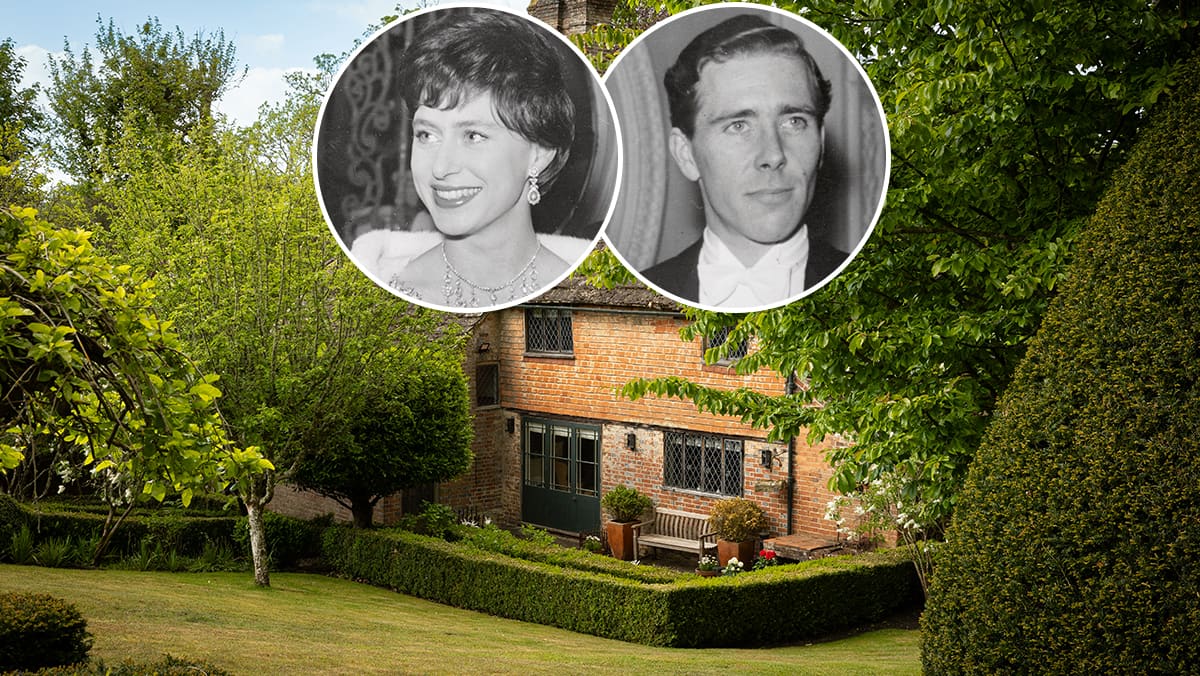
There are houses that shelter families, and then there are houses that become theaters for an era. The Old House, tucked into five and a half acres of West Sussex gardens, belongs firmly to the latter. Its story begins in 1481, when Tudor craftsmen raised its original timber frame, but the chapter that etched it into British cultural memory opened much later, in 1960, when photographer Antony Armstrong-Jones received it as a wedding gift from his uncle, the artist and stage designer Oliver Messel.
Armstrong-Jones, soon to become Lord Snowdon after marrying Princess Margaret, inherited not a pristine manor but a dilapidated cottage. What he saw, however, was possibility. While the couple maintained their official residence at Kensington Palace, Snowdon set about reimagining this centuries-old structure as something rarer: a place where the formality of royal life could dissolve into the informality of creative exchange. He added a man-made lake. He salvaged a balcony from Ascot Racecourse's Royal Box and turned it into a garden folly. He converted his photographic darkroom into a library. And in one upstairs bathroom, he papered the walls with vintage newspaper clippings, royal gossip columns, and family photographs, a collage that remains largely intact today, a kind of accidental time capsule.
At Global Chic Voyage, we've long observed that the most compelling retreats are those that reflect not just taste but temperament, and The Old House, now listed with Blue Book Agency for approximately $5.3 million, is a study in both.
The Parties That Became Legend
By the mid-1960s, weekends at The Old House had acquired a reputation that rippled through British society. Guests arrived by car along narrow country lanes, passing through gates into a world where aristocracy mingled with the avant-garde. Actor Peter Sellers came. So did ballerina Dame Margot Fonteyn, Bianca Jagger, financier Sir Evelyn de Rothschild, and novelist Edna O'Brien. The gatherings were neither stuffy state dinners nor purely bohemian affairs; they occupied a third space, one where protocol bent but did not break, where conversation ranged from ballet to banking to the latest gallery opening in Mayfair.
Snowdon's eye for design shaped the experience. Formal garden rooms connected by bridges and stepping stones encouraged wandering. The island pavilion on his artificial lake became a destination within the estate. Terraces overlooked water features that caught the afternoon light. The house itself, roughly 5,750 square feet after centuries of Georgian additions to the original Tudor bones, offered both intimacy and grandeur: a double reception room with bay windows, exposed timber beams that spoke to the building's age, original fireplaces, Georgian paneling that Snowdon left untouched.
The Queen Mother herself once visited to preside over the ceremonial opening of the estate's stepping stones, a detail that underscores how fully The Old House had woven itself into the fabric of royal life, even as it remained a private, almost secret, counterpoint to it.
Layers of Time, Preserved and Adapted
Walking through The Old House today is to move through strata of British architectural history. The six bedrooms retain their exposed timber framing in places, reminders of the 15th-century structure beneath. Georgian expansions added volume and light, the kind of restrained elegance that characterized the period's best domestic work. The kitchen, equipped with an Aga, opens directly onto terraces that face Snowdon's lake, a design choice that blurs the boundary between indoor and outdoor life.
A pool house now includes guest accommodations, a practical addition that respects the estate's original emphasis on hospitality. The vegetable gardens have been restored. Each spring, bluebells carpet portions of the grounds, a seasonal spectacle that recalls the English landscape tradition of working with, rather than against, native flora.
What makes the property unusual is not any single feature but the accumulation of them, the sense that each generation added thoughtfully rather than erasing what came before. Theo James-Wright of Blue Book Agency describes it as a house that became part of the national story, and that assessment holds. The Old House appeared, lightly fictionalized, in a third-season episode of the Netflix series The Crown, a dramatization that introduced a new generation to its peculiar mix of history and glamour.
A Market Debut After Decades of Privacy
Lord Snowdon sold the property privately in 2003. The current owners acquired it two years later, also through an off-market transaction. Now, for the first time, The Old House is being offered publicly, listed at 3.95 million pounds.
The decision to bring it to market signals a shift. For more than two decades, the estate has remained largely out of view, its gardens maturing, its interiors preserved by owners who understood what they had inherited. The asking price reflects both its historical significance and its practical appeal: a six-bedroom residence on generous acreage, within reach of London but insulated by layers of landscape and legend.
At Global Chic Voyage, we've watched the market for historic properties evolve. Buyers increasingly seek not just square footage or location but narrative, a sense that a house carries stories worth continuing. The Old House offers that in abundance. Its walls remember evenings when the boundaries between royalty and creativity blurred, when a Tudor cottage became a stage for one of the 20th century's most scrutinized marriages, and when an uncle's gift to his nephew became, against all odds, a place where an entire era could gather and, for a weekend, feel free.
What Endures
The bathroom with its newspaper-clipping wallpaper remains. So does the lake, the folly, the stepping stones that once merited a royal ribbon-cutting. The bluebells return each spring. What The Old House offers its next owner is not a blank canvas but a palimpsest, a property where history is legible in every room and where the challenge, and the opportunity, is to add the next layer without erasing what came before.
That kind of stewardship requires more than capital. It requires an understanding that some houses are never truly owned, only held in trust for a while, their stories unfolding across centuries rather than decades. Snowdon understood that when he transformed a crumbling cottage into a creative haven. The current owners understood it when they acquired the property quietly and kept it largely private. And whoever acquires it next will inherit not just a house but a responsibility: to preserve a place where, once, royals danced with bohemia and the walls still remember.
Photo: Ben Wright / Getty Images
Spot something wrong? Email editors@globalchicvoyage.com. We log every correction publicly.
RELATED
SEE ALL →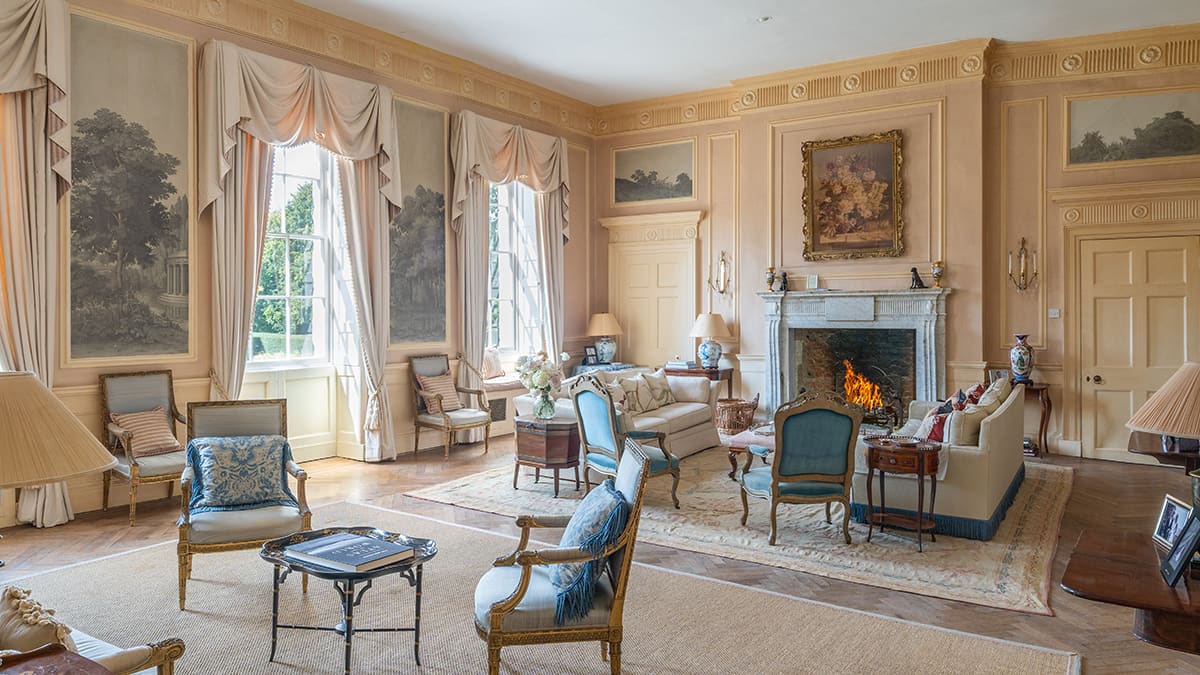
9 Jul 2026 / 5 min
8 Aug 2026 / 5 min
8 Aug 2026 / 5 min
8 Aug 2026 / 5 min