
Anti-itineraries: Why Some Destinations Are Marketing “Less To Do” As A Luxury
c
MA
12 Feb 2026 · 5 MIN READ · UPDATED 17 AUG 2026
By the time your boarding pass loads, the algorithm has already planned your trip. Three “must-see” museums before lunch, a sunset viewpoint “you can’t miss,” a reservation at the buzziest spot in town. Travel has become a checklist, and increasingly, travelers are exhausted by it.
Enter the anti-itinerary: a quiet rebellion against overprogrammed vacations. From slow villages that advertise “nothing much happens here” to luxury lodges that replace activity schedules with long lunches and empty afternoons, a new class of destinations is marketing less to do as the ultimate indulgence. The message is simple and seductive: the rarest amenity now is unclaimed time.
The Rise of the “Unplanned” Escape
For years, tourism boards sold abundance - more sights, more experiences, more Instagrammable moments per mile. But in a world of perpetual notifications and calendar overload, abundance has begun to feel like pressure. Anti-itinerary destinations flip the script. They promise not stimulation, but relief: fewer must-dos, fewer lines, fewer decisions.
In places like rural Tuscany and Sicily, this ethos is baked into daily life. Long lunches stretch into late afternoons, villages nap through the hottest hours of the day, and the highlight is often a slow walk to the bakery rather than a packed sightseeing loop. The destination itself resists urgency and that resistance has become the luxury.
In Tuscany’s quieter corners, the itinerary dissolves into landscape: winding roads, unhurried meals, and the soft drama of light moving across hills
Photo Credit: Brianna Peters
Why “Nothing” Is Suddenly Everything
1) Decision fatigue is real
Travel planning has become a second job. Curated lists, timed tickets, dining reservations weeks in advance - every choice demands attention. Anti-itinerary marketing removes friction by offering a narrow menu of gentle options (or none at all). At properties like The Postcard Hotel group in Asia, guests are encouraged to drift through the day at their own pace - no buffet rush, no rigid activity schedules, no pressure to optimize every hour.

At The Postcard Hotel, the absence of an itinerary is the invitation: arrive, exhale, and follow your own rhythm
Photo Credit: The Postcard Hotel
2) The status of stillness
For a long time, busyness was a flex. Now, stillness is. A photo of a pristine pool with no one in it telegraphs privilege in a crowded world. At NIHI Sumba in Indonesia, the luxury isn’t the activity list, it’s the space between activities: wild beaches with no crowds, unscheduled afternoons, and a sense that nothing urgent is waiting for you.

With no crowds and no urgency, the luxury of space becomes unmistakable
Photo Credit: NIHI Sumba
3) Overtourism has changed the mood
Crowds flatten magic. Destinations that once thrived on foot traffic are rethinking volume in favor of atmosphere. In contrast to over-scheduled urban itineraries, coastal enclaves like Khao Lak in Thailand quietly attract travelers who stay longer, wander more slowly, and come precisely because there’s no pressure to “see it all” in two days.

Along Khao Lak’s quieter coast, days unfold without spectacle - just long walks and the gentle rhythm of the sea
Photo Credit: Devasom Resorts
4) Wellness has matured
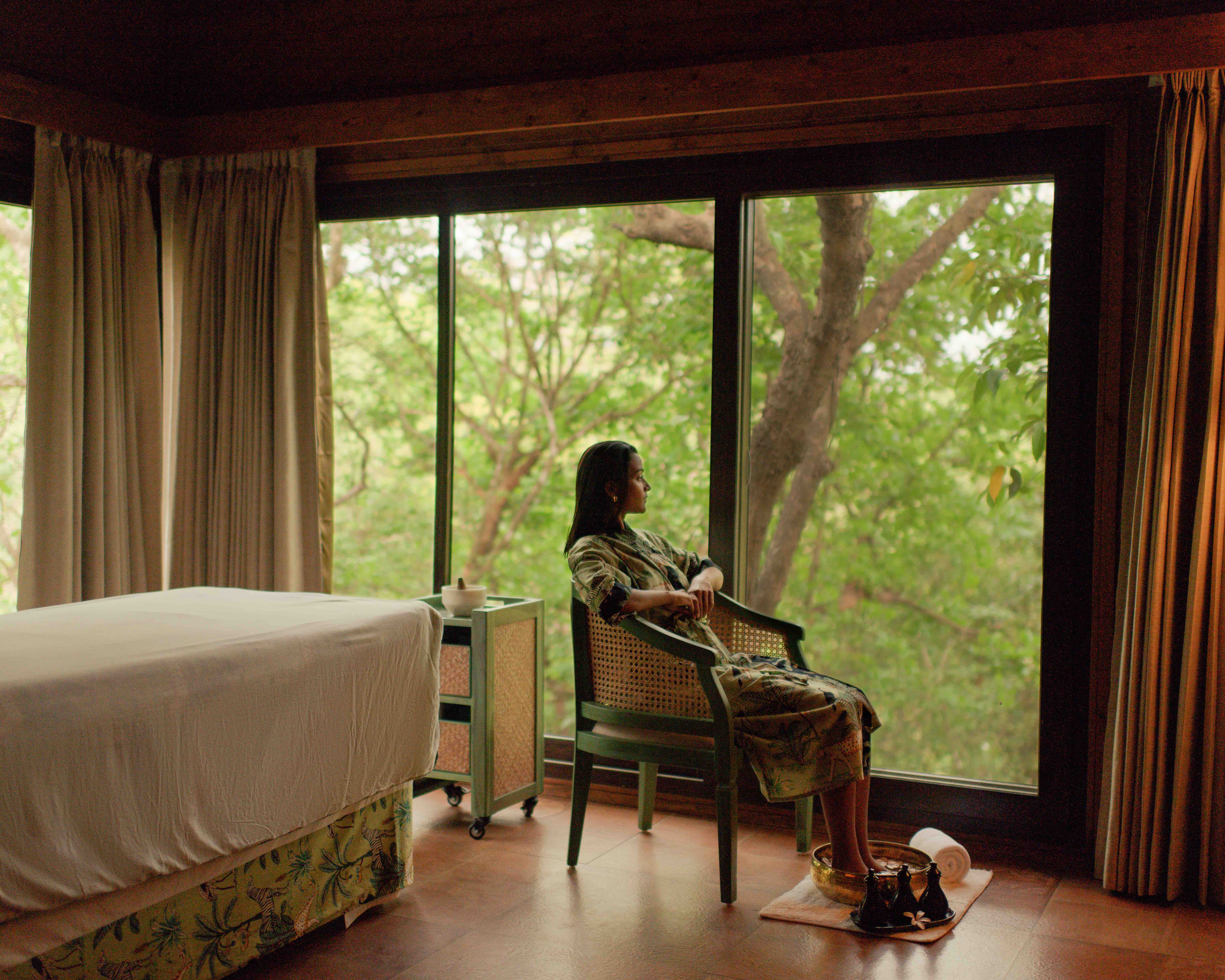
Wellness used to mean add-ons: sunrise yoga, detox menus, biohacking retreats. Now it’s also subtraction: fewer commitments, fewer screens, fewer stimuli. Jungle retreats such as Viceroy Bali, perched above Ubud’s ravines, have learned that the real draw is not the number of treatments on the spa menu but the permission to do nothing afterward, staring into green silence with nowhere else to be.

Suspended above green ravines, the quiet in Viceroy Bali does most of the healing
Photo Credit: Viceroy Bali
What Anti-itinerary Marketing Looks Like
+ Vague invitations instead of packed schedules
“Long mornings. Late lunches. The sea will be there when you’re ready.”
+ Experiences framed as optional, not essential
One gentle suggestion per day replaces a grid of commitments.
+ Design that encourages loitering
Daybeds, libraries with no clocks, cafés where no one rushes you out.
+ Language that elevates the ordinary
At regenerative farm stays like Blackberry Farm in Tennessee or La Donaira in Spain, the luxury isn’t spectacle - it’s walking the land, lingering at communal tables, watching the light change across fields.
This approach isn’t anti-experience; it’s pro-presence. The itinerary becomes porous, leaving room for serendipity to do what no guidebook can.

In Blackberry Farm, restoration happens between moments: slow walks, long silences, and the soft company of hills and water
Photo Credit: Blackberry Farm
The Economics of Doing Less
Paradoxically, “less to do” often costs more. Why? Because emptiness is expensive to maintain. Fewer visitors mean higher per-guest costs. Preserved landscapes require restraint. Quiet hotels need generous spacing. In this model, luxury is not gilded excess but protected simplicity.
For destinations and properties alike, anti-itinerary branding also attracts a more sustainable traveler, someone who stays longer, moves slower, and distributes spending gently across local life rather than overwhelming it in bursts.
A Note of Caution
The trend risks becoming performative if it’s just emptiness with a markup. True anti-itinerary destinations pair simplicity with depth - craft traditions you can stumble upon, landscapes that reward wandering, food cultures that don’t need reservations to feel special. “Nothing to do” should be an open door, not a velvet rope.
There’s also a responsibility to communities. Quiet should not mean exclusive to the point of erasure. The best versions of this trend protect local life rather than stage-manage it.
How to Travel the Anti-itinerary Way
+ Arrive with one anchor, not ten. Choose a single daily touchstone (a morning swim, a long lunch) and let the rest float.
+ Book less in advance. Leave space for chance.
+ Stay somewhere designed for lingering. If the chair invites you to sit, you will.
+ Practice gentle curiosity. Follow sounds, smells, light. That’s the itinerary.
+ Resist the highlight reel. Not every moment needs proof. Some luxuries are best felt, not posted.

Luxury travel, reimagined: fewer plans, deeper presence, and days that feel wide open
Photo Credit: Jennifer Blaise Kramer
The Quiet Future of Chic
In a culture that equates movement with meaning, anti-itineraries offer a radical alternative: depth over breadth, presence over proof. As more destinations market “less to do” as luxury, the chicest voyage may be the one that leaves room for you to do almost nothing, and come home feeling like you finally did enough.
Spot something wrong? Email editors@globalchicvoyage.com. We log every correction publicly.
RELATED
SEE ALL →
11 Mar 2026 / 5 min

27 Apr 2026 / 5 min

25 Mar 2026 / 5 min
25 Feb 2026 / 5 min