
Hidden Restaurants: Intimate Dining In Unexpected Places
c
MA
13 Apr 2026 · 5 MIN READ · UPDATED 17 AUG 2026
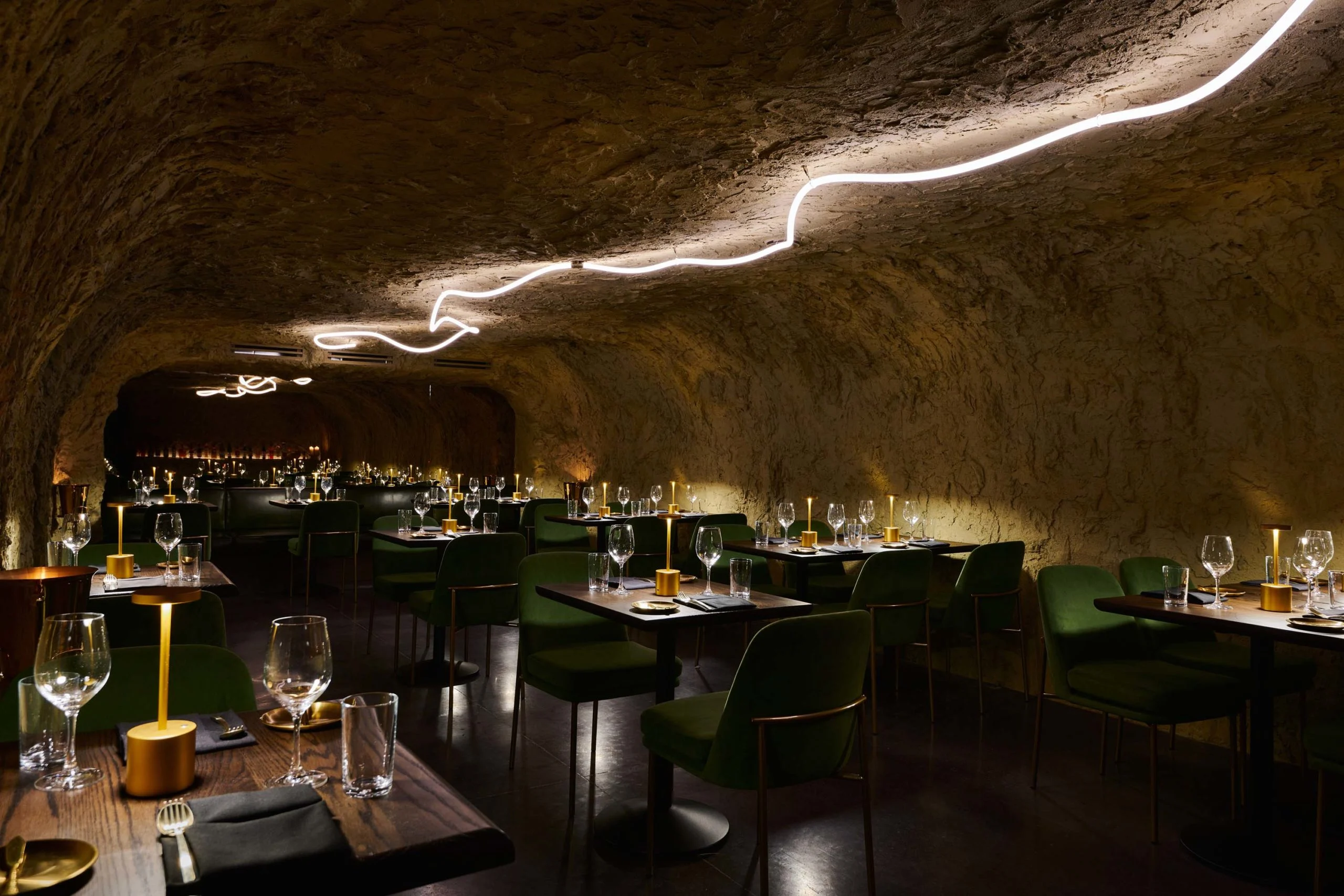
In an era where dining has become spectacle, a quieter counter-movement is reshaping the global culinary landscape. Hidden restaurants, tucked behind unmarked doors, inside historic homes, carved into landscapes, or concealed within other businesses, offer something far rarer than visibility: intimacy. These are places where discovery is part of the ritual, where access feels earned, and where the boundary between guest and host dissolves.
From cave chambers in Vietnam to invitation-only counters in global capitals, here is an expanded look at the world’s most compelling hidden dining experiences, all of them redefining what it means to dine well, and discreetly.
The House as Restaurant
In Maude & the Bear (Staunton), dining feels less like a reservation and more like stepping into a private narrative. Opened in 2024 inside a restored 1920s residence, the space operates at a deeply personal scale, with just a few tables spread across intimate rooms.
Menus are shaped by regional seasonality, but also by the domestic rhythm of the house itself - courses arrive as if part of a hosted gathering rather than a formal service. The adjoining guesthouse further extends the experience, allowing diners to inhabit the space beyond the meal. Here, luxury is defined not by opulence, but by emotional proximity.

A restored 1920s house transformed into an intimate dining destination, where rooms feel like chapters of a lived-in story
Photo Credit: Maude & the Bear
Behind the Curtain
Some restaurants don’t just hide, they stage the act of discovery.
At Beauty & Essex (New York), guests enter through a fully functioning pawn shop, where glass cases of vintage objects obscure the fact that a multi-room restaurant lies beyond. The transition is theatrical: narrow corridors give way to chandelier-lit dining salons, creating a layered spatial reveal.

A hidden entrance disguised as a pawn shop, concealing a theatrical dining world beyond
Photo Credit: Beauty & Essex
Similarly elusive, Attaboy operates behind an unmarked door with no signage. There is no menu - only a conversation with the bartender, who crafts drinks based on mood and preference. The hidden nature of the space is not gimmick, but philosophy: personalization over predictability.

A minimalist bar counter where bespoke cocktails are created through conversation
Photo Credit: Kirk Miller
The Eight-seat Universe
At the most intimate end of the spectrum are restaurants that function almost like private performances.
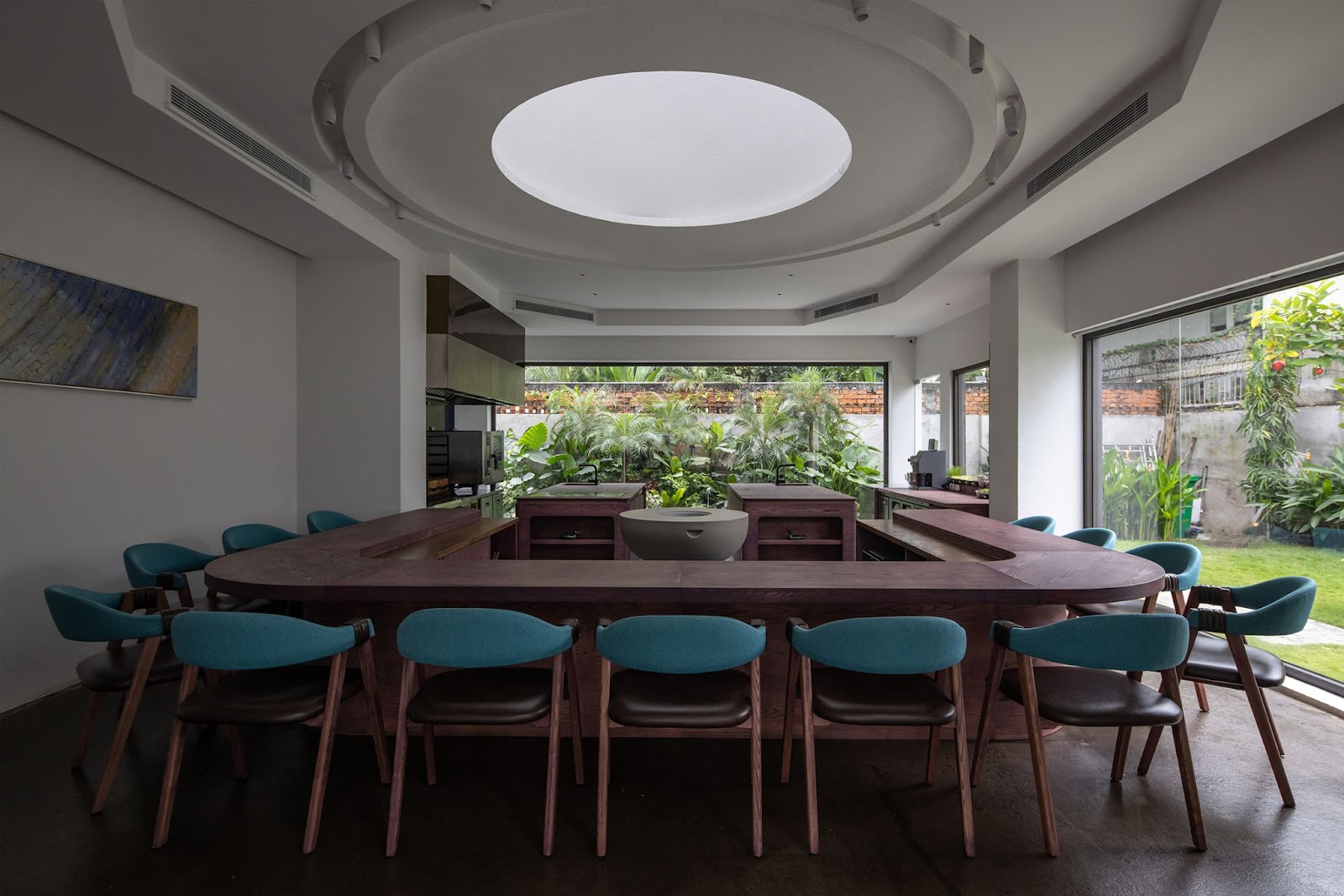
In Dubai, Kinoya has expanded its cult following with ultra-limited seating formats, including exclusive counters where just a handful of guests are served at a time. Each dish is assembled with precision in front of diners, turning the act of cooking into a shared, almost meditative experience.

A minimalist dining counter where chefs work within arm’s reach of diners
Photo Credit: Mohammad Adel Rashid
In Tokyo, Sushi Yuu exemplifies the purity of this format. With fewer than ten seats and an omakase menu that evolves nightly, the restaurant prioritizes direct interaction between chef and guest. Every movement - knife work, plating, pacing - is part of an unspoken dialogue.

A refined, intimate dining space where every seat faces the chef’s performance
Photo Credit: People Make Places
Dining Underground: The Cave Experience
Perhaps the most literal interpretation of “hidden dining” is found beneath the earth itself.
At Dragon Pearl Cave (Quang Ninh), immersive dining experiences have begun to transform a natural limestone cavern into a dramatic culinary setting. Located within the wider landscape of Bai Tu Long Bay, the cave’s cathedral-like chambers are illuminated subtly, allowing stalactites and rock formations to frame multi-course dinners.
Meals here unfold in near silence, punctuated only by the acoustics of the cave and the rhythm of service. The environment itself becomes part of the menu - cool air, mineral textures, and filtered light heighten every sensory detail. It is less a restaurant than a spatial experience, where nature replaces architecture.

A dining table set deep inside a limestone cave illuminated by soft, atmospheric lighting
Photo Credit: Dragon Pearl Cave
Elsewhere, Grotta Palazzese offers a more theatrical coastal variation, set within a sea cave overlooking the Adriatic. While more established, its continued popularity reflects a growing appetite for dining environments that feel both hidden and elemental.

A seaside cave restaurant opening directly onto the Adriatic, where waves echo beneath diners
Photo Credit: r/travel
The Secret Supper Renaissance
Beyond physical concealment, secrecy itself has evolved into a distinct dining format where the unknown becomes part of the allure.
In London, The Gingerline has redefined the idea of hidden dining through a series of narrative-led supper clubs staged along the city’s Overground line. Guests purchase tickets without knowing the exact location, receiving only cryptic clues and a meeting point on the day of the event. From there, they are guided into meticulously designed environments - abandoned warehouses, tucked-away studios, or transformed industrial spaces - each built around a fictional world.
What distinguishes this new wave of secret suppers is not just their secrecy, but their intentional construction of experience. The unpredictability fosters a rare kind of social intimacy - strangers, drawn together by curiosity, become participants in a shared, ephemeral narrative that exists only for a single night.

Guests stepping into a secret immersive dining world revealed only after a cryptic journey
Photo Credit: Peter Chamberlain
The Future of Discreet Dining
The rise of hidden restaurants signals a deeper cultural shift. As dining becomes increasingly visible - documented, shared, optimized for social media - these spaces offer resistance. They prioritize presence over performance, experience over exposure.
What unites these diverse examples is not just their physical concealment, but their intentional scale. Whether in a Vietnamese cave, a Tokyo counter, or a New York speakeasy, each restaurant constructs a world that must be entered, not merely visited.
In this evolving landscape, the question is no longer simply where to eat, but how far one is willing to go to find it.
Spot something wrong? Email editors@globalchicvoyage.com. We log every correction publicly.
RELATED
SEE ALL →
22 May 2026 / 5 min
13 May 2026 / 5 min
4 May 2026 / 5 min
20 Apr 2026 / 5 min