
Sardinia Rises as Europe's Most Captivating Island Escape
Where jade waters meet medieval hamlets and a new generation of luxury properties redefines the Mediterranean refuge
SI
8 Jul 2026 · 5 MIN READ · UPDATED 17 AUG 2026
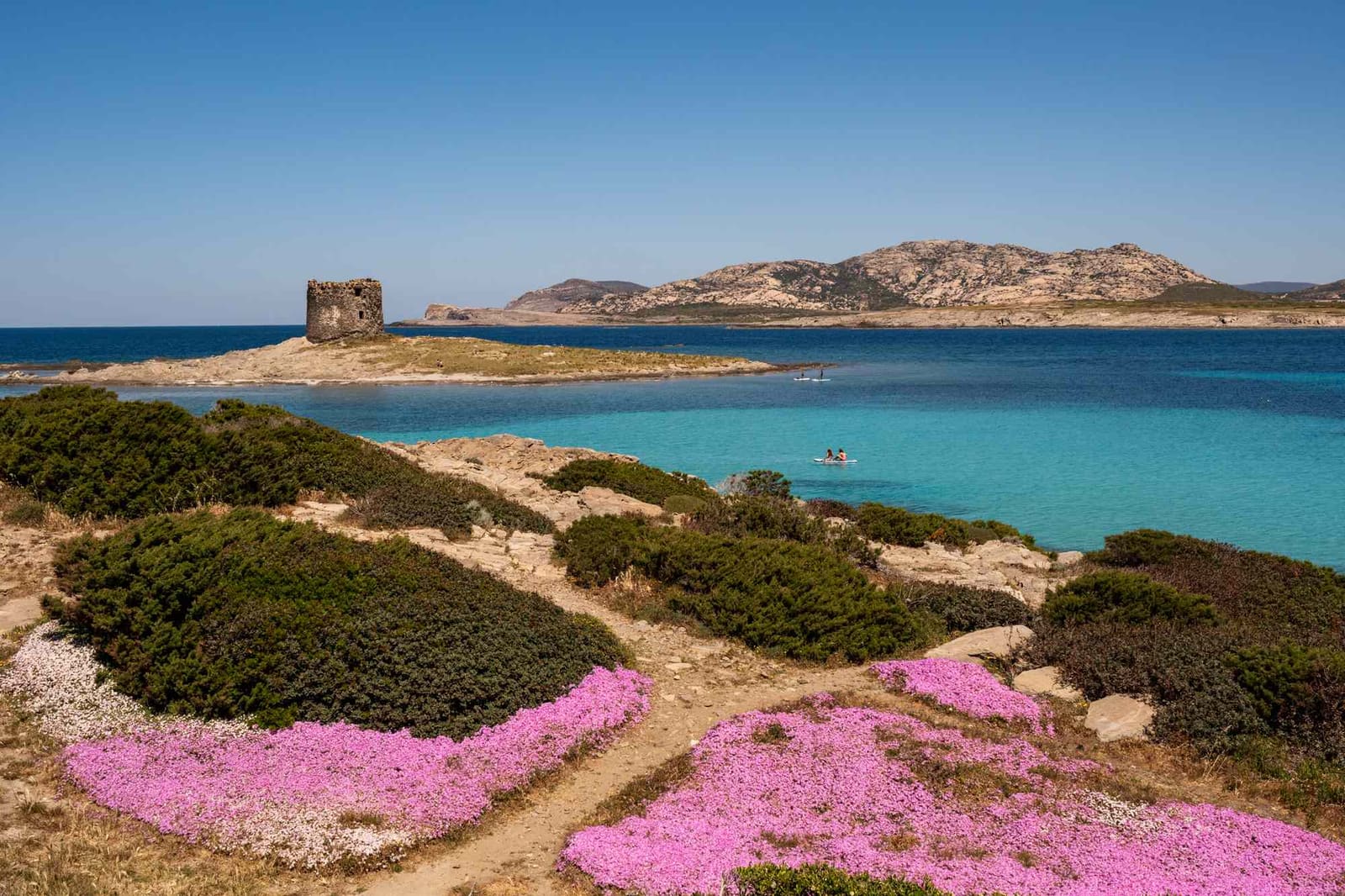
The Island That Refuses to Shout
There is a particular quality to the light along Sardinia's northeastern shore in late afternoon, when the sun softens and the water shifts from turquoise to something closer to jade. You notice it first from the terraces of the old granite towns perched above the coast, where laundry still dries on iron balconies and the smell of pecorino drifts from doorways. It is not the kind of beauty that announces itself. It simply exists, patient and unadorned, waiting for you to slow down enough to see it.
At Global Chic Voyage, we have watched Sardinia move quietly but decisively into a category of its own among Mediterranean destinations. The island has been recognized as the top European island destination in Travel + Leisure's 2026 World's Best Awards, a distinction that reflects not just the geography but a deeper cultural coherence, a sense of place that has managed to evolve without erasing itself. This is not Mykonos or Ibiza. The energy here is inward, rooted, less concerned with spectacle than with continuity.
A Coastline Shaped by Wind and Time
The so-called Costa Smeralda, or Emerald Coast, remains the island's most celebrated stretch of shoreline, but its fame has never quite overwhelmed its character. The beaches are not manicured. The rock formations that frame them, sculpted by millennia of mistral winds, feel ancient and unbothered. Cala di Volpe, Capriccioli, Liscia Ruja: these are names that recur in the journals of travelers who return year after year, not because the beaches have changed but because they have not.
What strikes us most about Sardinia's coast is its refusal to be uniform. Drive south from Olbia and the landscape shifts from granite outcrops to limestone cliffs, from pine forests to macchia scrubland thick with myrtle and juniper. The palette changes with the geology. In the south, near Villasimius and Costa Rei, the sand lightens to an almost Seychellois white, the water so clear that boats appear suspended in air. This is a coastline that rewards patience, that asks you to wander rather than simply arrive.
Villages That Remember Themselves
Inland, the island's character deepens. The stone villages of Barbagia, the mountainous interior, remain largely untouched by the tourism that clusters along the coast. Orgosolo, known for its political murals, sits at an altitude where the air cools even in August. Oliena produces wine from Cannonau grapes, a varietal that some researchers believe contributes to the region's concentration of centenarians. The connection between landscape, diet, and longevity here is not theoretical. It is lived.
We have spent time in these villages during the festivals that punctuate the agricultural calendar, when the piazzas fill with processions and the sound of launeddas, the triple-reed woodwind instrument that predates the Roman occupation. There is a formality to these gatherings, a sense that tradition is not performed for outsiders but maintained for its own sake. The hospitality is genuine but not effusive. You are welcomed, but you are also expected to understand that you are a guest in something older than tourism.
The New Language of Sardinian Luxury
The island's hospitality sector has matured considerably in recent years, moving beyond the yacht-club aesthetic that defined the Costa Smeralda in the 1960s and 70s. A new generation of properties has emerged, many of them renovations of agriturismi or historic estates, that balance refinement with a respect for vernacular architecture. Limestone walls, terracotta floors, courtyards shaded by olive trees: the design vocabulary is local, but the execution is meticulous.
What distinguishes the best of these properties is their restraint. There is an understanding that luxury, in this context, does not mean insulation from place but deeper engagement with it. The kitchens source from nearby farms and fishing cooperatives. The wine lists favor Sardinian producers, many of them small and family-run. The staff, more often than not, are islanders who speak with authority about the land and its rhythms. This is not lifestyle branding. It is a quieter, more grounded form of hospitality that aligns with the island's broader ethos.
Why the Island Resonates Now
Sardinia's rise in prominence among discerning travelers reflects a broader recalibration in what we seek from travel. The appetite for overcrowded hotspots has waned. There is a growing preference for destinations that offer not just beauty but coherence, places where the culture, landscape, and hospitality feel integrated rather than assembled. Sardinia delivers on that promise without fanfare.
The island's appeal is also practical. It remains accessible, with direct flights from major European cities, yet it has not been overrun. The infrastructure is sufficient without being intrusive. You can rent a car and disappear into the interior, or you can settle into a coastal enclave and rarely leave. The island accommodates both impulses without forcing a choice.
The Measure of an Island
Recognition in global travel rankings is always a double-edged proposition. It brings attention, and with attention comes pressure. But Sardinia has an advantage that many islands lack: it has been discovered before. The Costa Smeralda boom of the 1960s, driven by the Aga Khan's development consortium, brought wealth and infrastructure but also a degree of caution. The island learned early that unchecked growth erodes the very qualities that attract visitors in the first place.
Today, there is a palpable sense among local stakeholders, from hoteliers to regional planners, that Sardinia's identity is not negotiable. The villages will not be turned into theme parks. The beaches will not be privatized beyond recognition. The food will remain rooted in pastoral and maritime traditions, not the whims of international trends. This is not resistance to change but a selective embrace of it, a confidence that comes from knowing what is worth preserving.
At Global Chic Voyage, we return to Sardinia not because it surprises us but because it remains itself. In an era when so many destinations feel interchangeable, molded by the same forces of global capital and social media aesthetics, the island offers something increasingly rare: a sense of permanence, a landscape and culture that have evolved on their own terms. That, more than any ranking, is what makes it worth the journey.
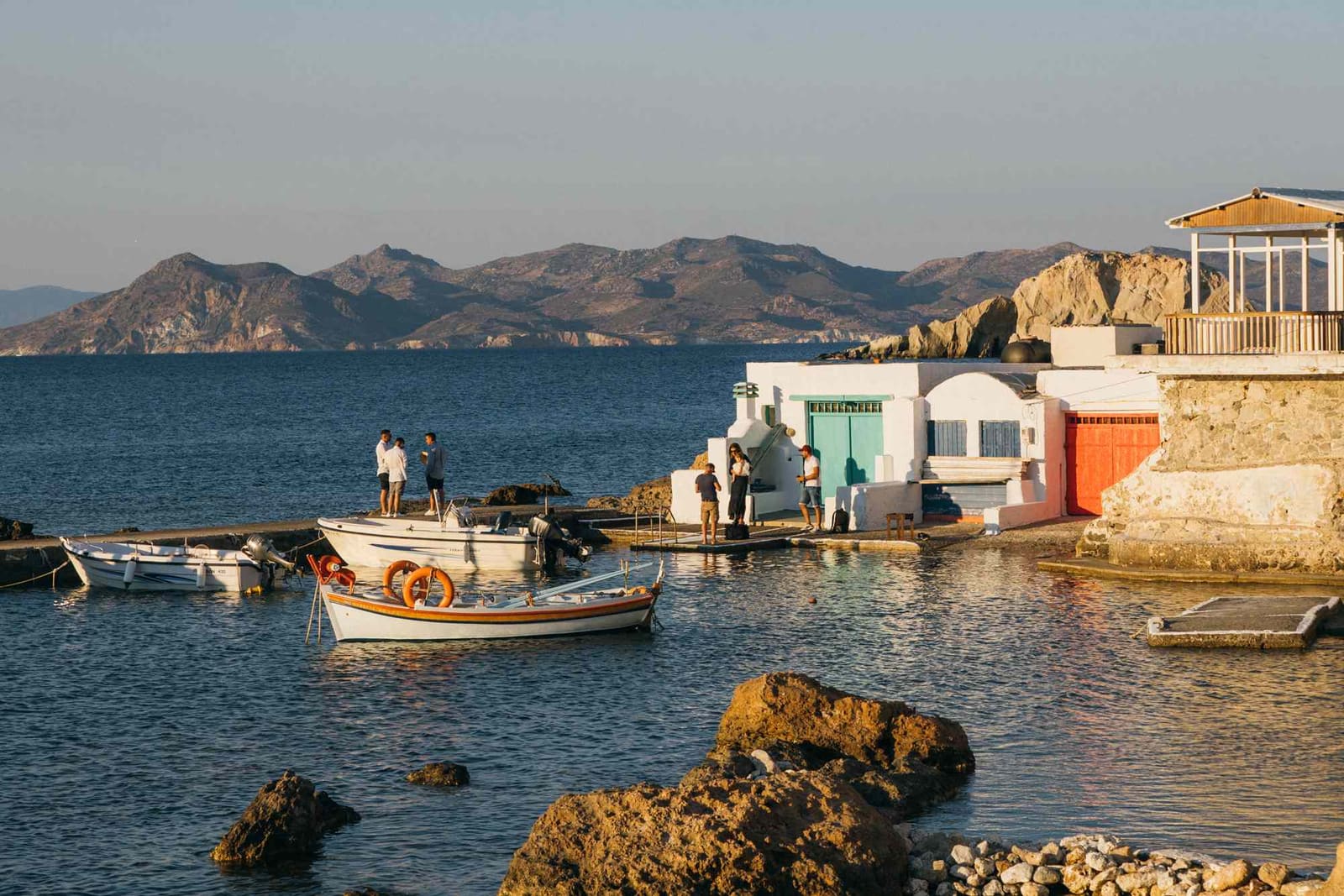
Photo: Francesco Lastrucci / Travel + Leisure
Spot something wrong? Email editors@globalchicvoyage.com. We log every correction publicly.
RELATED
SEE ALL →
7 Jul 2026 / 5 min
23 Jul 2026 / 5 min
24 Jun 2026 / 5 min
13 Jul 2026 / 5 min