
Southern Sardinia Awakens: Where Farmhouses and Artisans Reclaim an Island's Quieter Shore
Beyond the yacht-strewn Costa Smeralda, a different Sardinia is emerging - one built on stone, silence, and the slow return of tradition.
SI
7 Jul 2026 · 5 MIN READ · UPDATED 17 AUG 2026
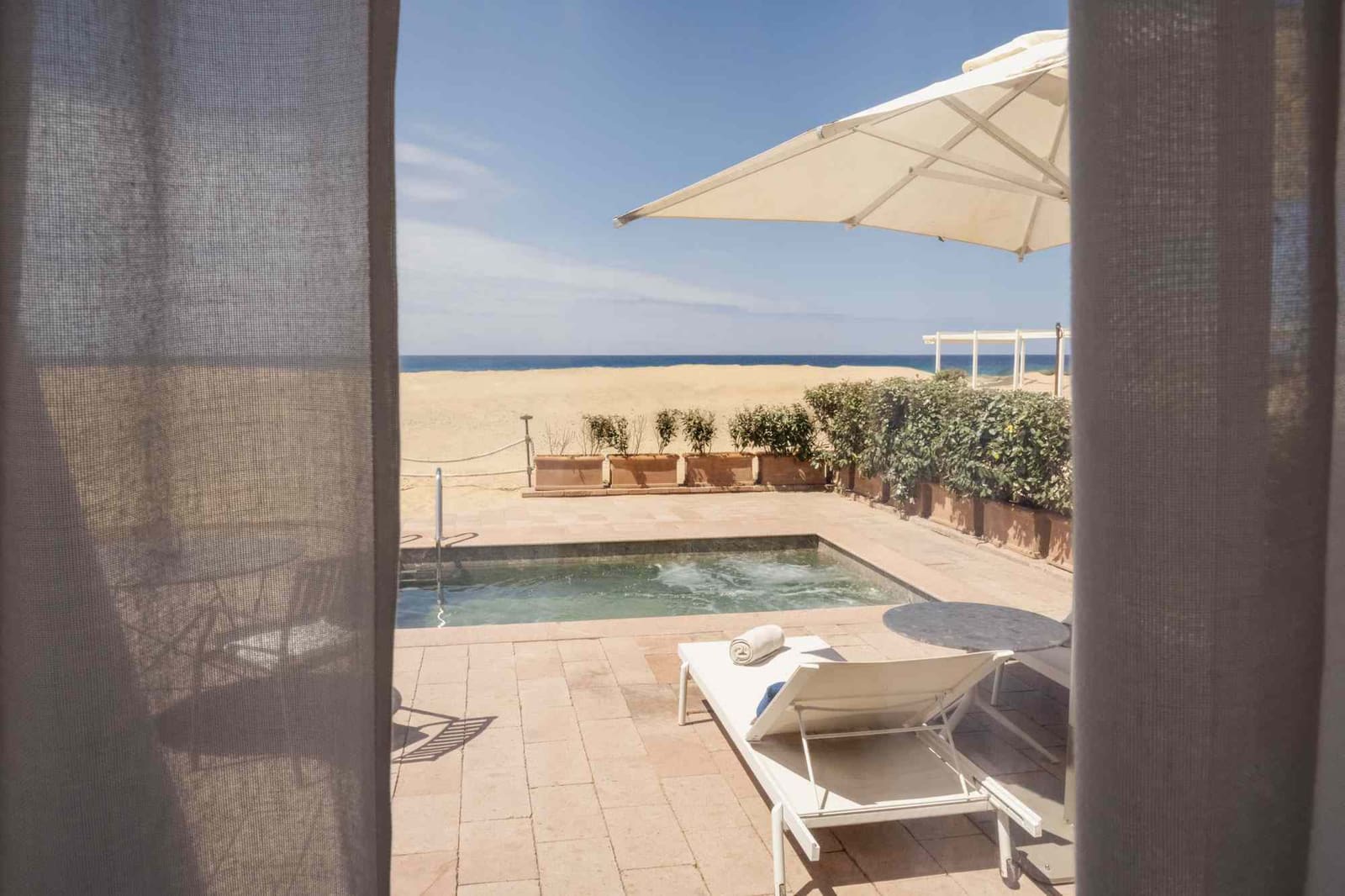
A Stone House at Dawn
The light arrives early in southern Sardinia, slanting through the shutters of an old farmhouse before the heat sets in. Walls built from local stone hold the coolness of the previous night; terracotta floors glow faintly under bare feet. There are no yachts visible from the terrace here, no parade of designer boutiques lining cobbled lanes. Instead, the view opens onto olive groves, the silver-green leaves trembling in the morning breeze, and beyond them, a coastline that has remained largely untouched by the tourism machinery that transformed the island's northern reaches decades ago.
At Global Chic Voyage, we've watched the Mediterranean's luxury map shift and refold over the past decade. What was once peripheral becomes central; what was overlooked becomes essential. Southern Sardinia is experiencing precisely this kind of recalibration - not as a sudden discovery, but as a slow, deliberate awakening. The region is drawing a new generation of travelers who seek something more rooted than the glittering spectacle of the Costa Smeralda, something closer to the bone of place.
The Architecture of Return
Across the south, abandoned farmhouses and rural estates are being carefully brought back to life. These are not grand villas in the northern mold, but structures that speak to centuries of agrarian life: thick walls designed to withstand summer heat, courtyards that funnel breezes, roofs that slope gently under the weight of clay tiles. The restoration work happening here is less about reinvention than about listening - to the materials, to the landscape, to the logic of building that evolved over generations.
The new retreats emerging from these renovations honor the bones of the original structures while introducing contemporary comforts with a light hand. Beams are exposed, not hidden; stone is left rough where it should be; modern kitchens and bathrooms are inserted discreetly, almost apologetically. The result is a form of luxury that feels earned rather than imposed, where the patina of age becomes part of the experience rather than something to be erased.
What distinguishes this movement from similar projects elsewhere in the Mediterranean is the degree to which it remains embedded in local culture. Owners and designers are working with Sardinian craftspeople - masons who know how to work with the island's particular limestone, carpenters who understand the joinery techniques passed down through families, weavers and ceramicists whose hands carry knowledge that cannot be learned from books alone.
The Rhythm of Coastal Life
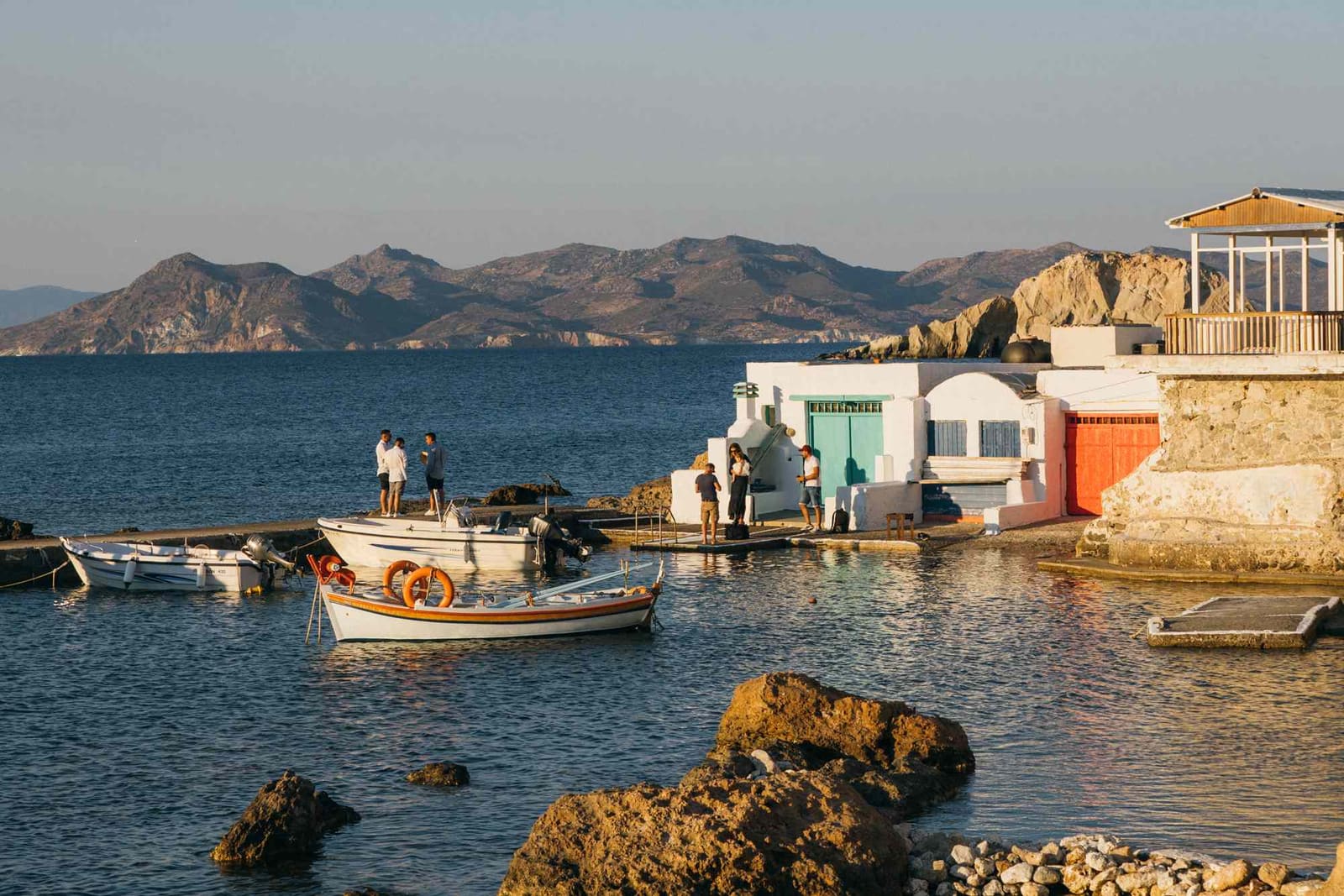
The beaches of southern Sardinia unfold with a different rhythm than their northern counterparts. There are no regimented rows of umbrellas here, no beach clubs with velvet ropes and reservation lists. Instead, stretches of sand appear between rocky headlands, accessible by narrow roads that wind through maquis scrubland thick with juniper and myrtle. The water shifts from turquoise to deep sapphire depending on the hour and the depth, and in certain coves, the clarity is so absolute that boats appear to hover above their own shadows.
Beachfront properties in the south tend toward the understated. A handful of small hotels and guesthouses have opened in recent years, many of them family-run, most of them designed to blend into the landscape rather than dominate it. The sensibility is one of quiet integration: terraces built from the same stone that forms the cliffs, gardens planted with native species, outdoor showers that draw water from wells dug generations ago.
This is not to say the region lacks sophistication. The new wave of southern hospitality understands that true luxury often resides in restraint - in the quality of linens, the care taken with breakfast, the knowledge of where to find the best fish, the willingness to leave guests alone when solitude is what they seek.
Artisans and the Weight of Tradition
In workshops scattered across the southern interior, artisans are practicing crafts that predate the modern Italian state. Basket weavers work with dwarf palm and wild reed, creating patterns that have remained unchanged for centuries. Textile artists produce intricate hand-woven pieces on wooden looms, using techniques that connect contemporary Sardinia to its Neolithic past. Ceramicists shape clay into forms that echo the island's nuragic heritage, those mysterious Bronze Age stone towers that still dot the landscape.
What makes this resurgence significant is not simply the preservation of technique, but the way these traditions are being reimagined for contemporary life. Young designers are collaborating with elder craftspeople, finding ways to translate ancient patterns into objects that fit modern homes. Galleries and concept stores are opening in small towns, creating new markets for work that might otherwise remain purely local or folkloric.
The economic impact of this cultural revival extends beyond individual artisans. As interest in authentic Sardinian craft grows, so too does the viability of rural communities that might otherwise be hollowed out by migration to cities or the coast. Workshops become gathering places; craft fairs draw visitors who then stay for meals, for walks, for nights spent in those restored farmhouses. A quiet ecosystem of cultural tourism is taking shape, one that values slowness and depth over the quick hit of sightseeing.
The Taste of the South
Southern Sardinian cuisine has always been distinct from the more widely known dishes of the north, rooted in pastoral traditions and the rhythms of agricultural life. Fregola, the toasted semolina pasta that resembles oversized couscous, appears in soups and seafood dishes. Lamb is prepared with wild herbs gathered from the hills. Cheeses made from sheep's milk carry the flavor of the grasses and flowers the animals graze on, a taste that shifts subtly with the seasons.
The new generation of restaurants and agriturismi in the south are building on these foundations with a lighter touch, presenting traditional dishes with clarity and precision while respecting their essential character. Vegetables are allowed to be themselves - tomatoes that taste of sun, artichokes prepared simply with olive oil and wild mint. Fish is grilled over wood fires, its flesh sweet and clean. Bread arrives still warm, baked in wood-fired ovens using methods that have changed little in centuries.
Wine production in southern Sardinia has also entered a period of creative ferment. Indigenous grape varieties like Carignano and Bovale are being cultivated with renewed attention, yielding wines that express the particular terroir of the region - the limestone soils, the maritime influence, the intensity of Mediterranean light. Small producers are experimenting with natural winemaking techniques, allowing the fruit to speak with minimal intervention.
Why This Matters Now
The emergence of southern Sardinia as a destination of note arrives at a moment when many travelers are questioning what they want from a Mediterranean escape. The traditional luxury playbook - the superyacht, the celebrity-chef restaurant, the see-and-be-seen beach club - no longer holds universal appeal. There is a growing hunger for experiences that feel less staged, less mediated, more connected to the actual life of a place.
Southern Sardinia offers something increasingly rare in the Mediterranean: the possibility of genuine discovery, of landscapes and communities that have not yet been flattened by mass tourism or luxury branding. The region's relative obscurity becomes part of its appeal, a kind of temporal luxury that allows visitors to experience an island still in possession of itself.
This is not a call to rush south en masse. The fragility of what makes the region compelling is precisely its lack of infrastructure, its resistance to easy consumption. But for those willing to navigate the slower pace, the fewer amenities, the need to engage more directly with local life, southern Sardinia presents a rare opportunity - to witness a place in the process of reimagining its relationship with visitors, building a form of tourism that might actually sustain rather than extract.
The Long View
As we consider the future of Mediterranean travel, southern Sardinia offers a useful counterpoint to the more established luxury destinations. It suggests that there are still places where tourism can develop in conversation with local culture rather than in opposition to it, where the rhythms of traditional life can coexist with - even be strengthened by - the presence of thoughtful travelers.
The farmhouses being restored, the artisan workshops finding new markets, the small hotels opening their doors - these are not merely commercial ventures. They represent a kind of cultural continuity, a way of ensuring that the knowledge and practices that define a place can be passed forward rather than lost. In this sense, the travelers who choose southern Sardinia are not simply consumers of a destination, but participants in a longer story, one that extends backward into centuries of island life and forward into an uncertain but potentially hopeful future.
The Mediterranean does not need another Costa Smeralda. What it needs, and what southern Sardinia is quietly becoming, is a model for how places can welcome visitors without erasing themselves in the process - how luxury can be redefined not as excess but as authenticity, not as spectacle but as depth. The stone houses are waking up. The question is what kind of guests will walk through their doors.
Photo: Francesco Lastrucci / Travel + Leisure
Spot something wrong? Email editors@globalchicvoyage.com. We log every correction publicly.
RELATED
SEE ALL →
8 Jul 2026 / 5 min
23 Jul 2026 / 5 min
24 Jun 2026 / 5 min
13 Jul 2026 / 5 min