
The France You Keep Coming Back To
Beyond the postcard clichés, the places that reveal why this country remains irresistible - from hidden coastal towns to valleys where time slows down.
SI
13 Jul 2026 · 5 MIN READ · UPDATED 17 AUG 2026
The Light at Certain Hours
There is a particular slant of afternoon light in the south of France that painters have spent lifetimes trying to capture. It falls differently here than anywhere else - softer on limestone, sharper against lavender, almost liquid when it hits the Mediterranean. At Global Chic Voyage, we've watched travelers return from France changed not by monuments or museums, but by these small, luminous moments: a café table in Lyon at dusk, the smell of baking bread drifting through a Burgundy village at dawn, the way conversation seems to stretch longer over wine in the Dordogne.
France remains one of those rare places where luxury and simplicity coexist without contradiction. The country has never needed to shout about its appeal; it simply offers itself, layer by layer, to those willing to slow down. And while Paris will always be Paris - essential, electric, endlessly reinventing itself - the France that lingers in memory often lies elsewhere, in the provinces and coastlines where life unfolds at a different tempo.
Paris, But Not the Paris You Think
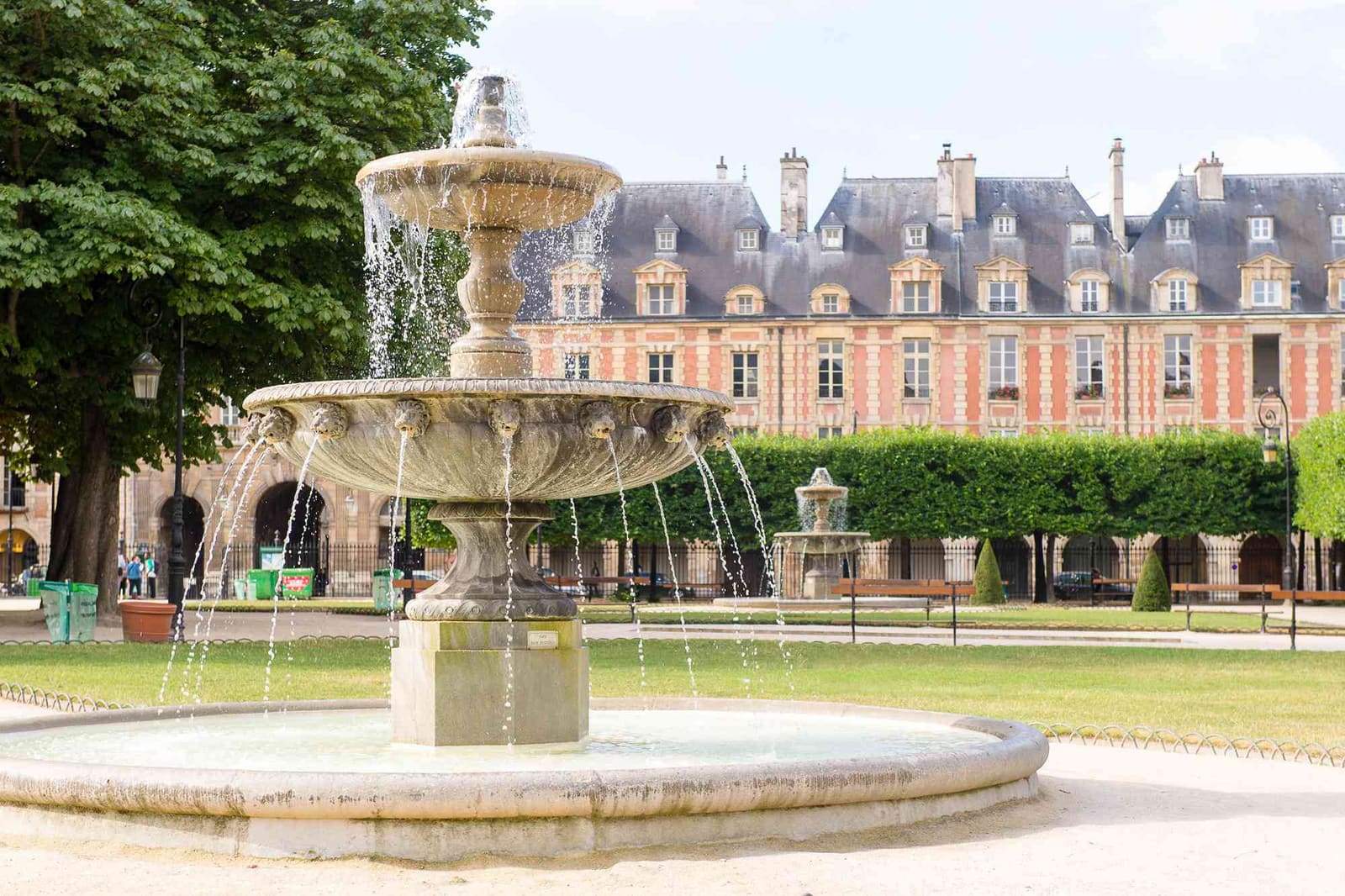
The capital deserves its reputation, but not for the reasons most first-time visitors expect. Yes, the Eiffel Tower and the Louvre anchor the visual imagination, but the city reveals itself most generously in its neighborhoods: the 11th arrondissement's bistros where locals still argue politics over petit noir, the covered passages of the 2nd where 19th-century commerce has given way to independent bookshops and perfumeries, the Canal Saint-Martin at twilight when the tourists have retreated and Parisians reclaim the water's edge.
We've found that the best Paris experiences happen when you abandon the map. Wander into the Marais on a Sunday afternoon and you'll stumble upon galleries showing work you won't see anywhere else. Lose yourself in the Latin Quarter's tangle of medieval streets and you'll find wine bars occupying cellars that predate the Revolution. The city rewards aimlessness in a way few other capitals do.
Provence: Beyond the Lavender Fields
Provence has been so thoroughly photographed that it risks becoming a cliché of itself - those endless purple rows, those ochre villages perched on hillsides. But spend time here beyond the high summer tourist surge and you'll discover why Cézanne never tired of painting Mont Sainte-Victoire, why Giono wrote so obsessively about these valleys.
The real Provence is found in its markets, where farmers bring produce that tastes the way you remember food tasting in childhood - tomatoes that actually smell like tomatoes, peaches so ripe they threaten to collapse in your hand. It's in the hill towns like Gordes and Roussillon, where stone buildings seem to grow organically from the landscape rather than being imposed upon it. And it's in the silence of the Luberon in late afternoon, when the cicadas pause and you can hear the wind moving through the pines.
Aix-en-Provence offers a more urbane version of this experience, with its Cours Mirabeau lined with plane trees and its fountains that have been flowing since the Romans. The city manages to feel both grand and intimate, a place where you can spend a morning at a contemporary art foundation and an afternoon watching locals play pétanque in a dusty square.
The Côte d'Azur: Where the Jet Set Still Lands
The French Riviera has been synonymous with glamour since the 1920s, when Americans like Gerald and Sara Murphy made it fashionable to summer by the Mediterranean. That legacy persists in places like Antibes, where the old town's ramparts look out over a harbor filled with yachts, and in the Belle Époque architecture of Nice, where the Promenade des Anglais still serves its original purpose: a place to see and be seen.
But the coast also harbors quieter pleasures. The village of Èze, perched vertiginously above the sea, offers views that stretch to Italy on clear days. The Saint-Paul-de-Vence, despite its galleries and its fame, retains the bones of a medieval fortified village. And in Menton, near the Italian border, the microclimate allows lemon groves to flourish and gives the light a peculiar warmth that feels almost Ligurian.
We've noticed that travelers who spend time on the Riviera increasingly seek out these less obvious corners, places where you can still experience the Mediterranean without the crowds that descend on Cannes and Saint-Tropez in July and August.
Burgundy: The Terroir of Everything
Burgundy is wine country, certainly, but it's also a place where the concept of terroir - that untranslatable French notion that place shapes taste - extends beyond the vineyard. The architecture here is specific: those glazed tile roofs in geometric patterns, those honey-colored stone farmhouses. The food is rooted in tradition: boeuf bourguignon, coq au vin, oeufs en meurette - dishes that require time and patience.
Beaune, the wine capital, manages to be both tourist-friendly and authentically functional. Vignerons still work the slopes surrounding the town, and the Hospices de Beaune - with its stunning medieval architecture - reminds you that this region has been prosperous for centuries. Drive the Route des Grands Crus through villages like Gevrey-Chambertin and Vosne-Romanée, and you're traveling through some of the most valuable agricultural land on earth, where a few rows of vines can be worth millions.
The smaller towns reward exploration too. Vézelay, with its Romanesque basilica crowning a hilltop, has drawn pilgrims for a millennium. Chablis, compact and unpretentious, produces wines of crystalline clarity. And throughout the region, you'll find restaurants where the chef's relationship with local producers isn't marketing - it's simply how things have always been done.
Normandy: Where History Meets the Sea
The northern coast carries weight - both the beauty of its chalk cliffs and the solemnity of its D-Day beaches. But Normandy is also half-timbered villages and apple orchards, cidre and Calvados, Camembert and oysters. It's a landscape shaped by agriculture and by the Channel tides, and it possesses a gentle, rolling beauty quite unlike the drama of the Mediterranean.
Honfleur, the harbor town that enchanted Impressionist painters, still feels like a working port despite the galleries that now line its streets. The tides here are extreme - the harbor empties and fills twice daily - and watching the boats settle into the mud at low tide is a reminder that this coast has always lived by the rhythm of the water.
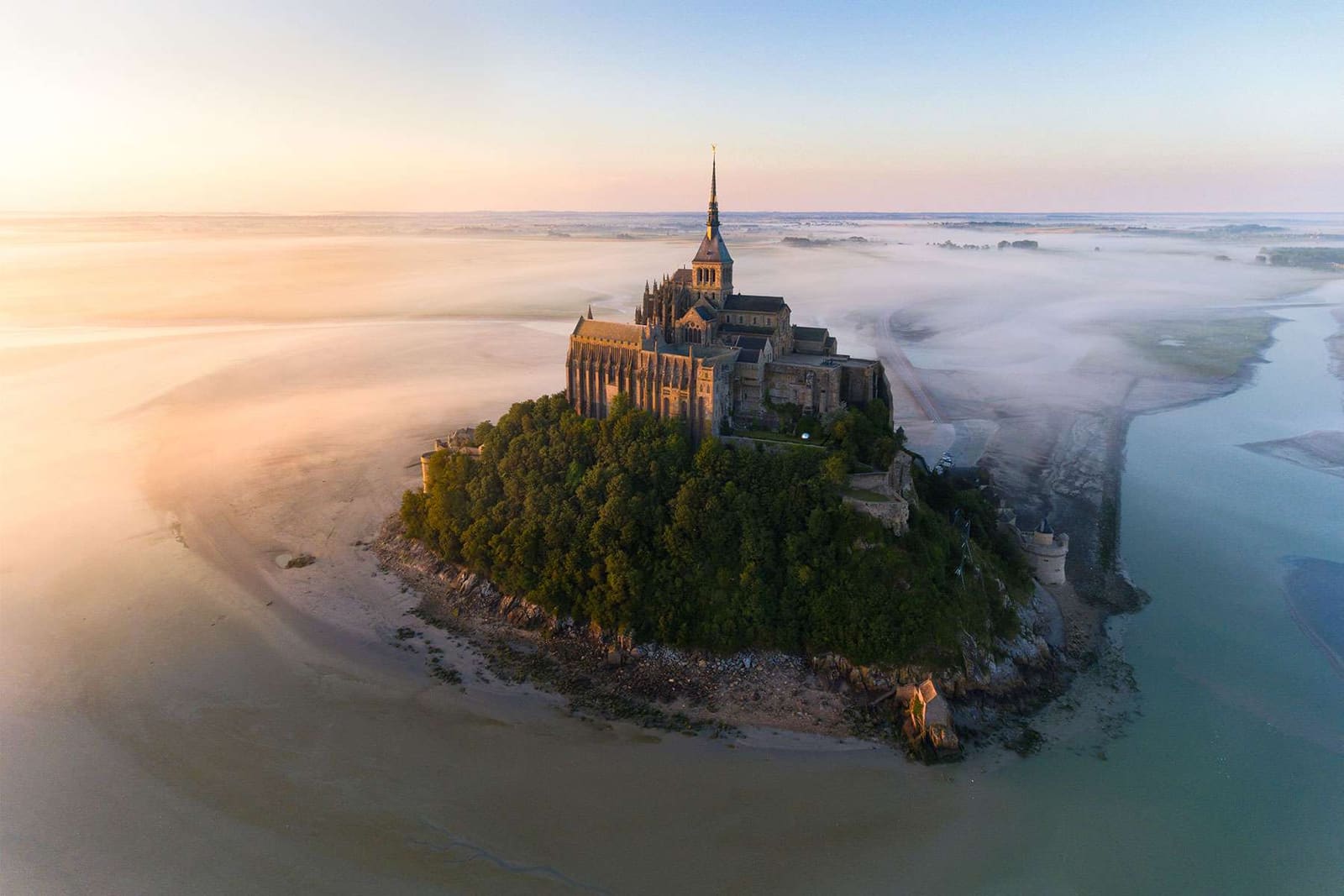
Mont-Saint-Michel, rising from its bay like a medieval fever dream, is undeniably touristy but also genuinely astonishing. The best time to visit is late afternoon, when the day-trippers have departed and you can walk the ramparts in relative peace, watching the tide come in across the flats with startling speed.
The Loire Valley: Châteaux and Something More
The Loire is famous for its châteaux - Chambord, Chenonceau, Amboise - and these Renaissance palaces are indeed spectacular, monuments to an era when French kings wanted to out-build one another in increasingly fantastical ways. But the valley itself is worth the journey: the light here is gentler than in the south, filtered through morning mists that rise from the river.
The smaller châteaux often prove more rewarding than the famous ones. Azay-le-Rideau, built on an island in the Indre, is a perfect jewel box of early Renaissance architecture. Villandry's gardens, restored in the early 20th century, demonstrate the formal beauty of French garden design. And throughout the valley, you'll find vineyards producing wines - Vouvray, Chinon, Sancerre - that deserve more international attention than they receive.
The towns, too, have their appeal. Amboise is compact and walkable, with a château that served as a royal residence and a chapel holding Leonardo da Vinci's tomb. Tours makes a practical base, with good restaurants and easy access to the surrounding countryside. And Orléans, often overlooked, has a handsome old quarter and a cathedral that took six centuries to complete.
Lyon: Where France Eats
If Paris is where France thinks and the Riviera is where it plays, Lyon is where it eats. The city's reputation for gastronomy is centuries old, rooted in its position at the confluence of the Rhône and Saône, where produce from Burgundy, the Alps, and the Mediterranean all converge. The traditional bouchons - small, informal restaurants serving Lyonnaise specialties - remain a fixture, though the city has also embraced contemporary cuisine with enthusiasm.
But Lyon offers more than food. The old town, Vieux Lyon, is a Renaissance gem with its traboules - covered passageways that allowed silk workers to transport their goods while staying dry. The Croix-Rousse neighborhood, once the center of silk production, now hosts artists and designers. And the Confluence district, at the southern tip where the two rivers meet, showcases ambitious contemporary architecture and urban planning.
The city feels less self-conscious than Paris, more focused on living well than on being seen to live well. Markets here are serious affairs, where shoppers scrutinize produce with the intensity of art collectors. And the riverside quays, especially in warm weather, become a kind of urban beach where locals gather to picnic and watch the light fade over the water.
Brittany: France's Celtic Edge
Brittany stands apart - culturally, linguistically, geographically. This is France's Celtic fringe, a peninsula jutting into the Atlantic where the weather can change five times in an afternoon and where the cuisine revolves around crêpes, seafood, and salted butter. The coastline here is dramatic in a way the Mediterranean never is: granite cliffs pounded by waves, beaches that stretch for miles at low tide, islands that feel genuinely remote.
Saint-Malo, the walled city that was a corsair stronghold, has been rebuilt since World War II but retains its fortress character. Walk the ramparts at high tide and you understand why this was such a defensible position. Inland, towns like Dinan preserve medieval architecture with remarkable completeness - half-timbered houses leaning at improbable angles, narrow streets designed for foot traffic rather than cars.
The region's standing stones - the alignments at Carnac are the most famous - predate Stonehenge and remain mysterious despite centuries of archaeological study. And the island of Belle-Île, reached by ferry from Quiberon, offers a slower pace and landscapes that attracted painters like Monet, who spent two months here trying to capture the particular quality of Atlantic light.
The Dordogne: Where Prehistory Persists
The Dordogne valley in southwestern France is sometimes called "the cradle of humanity" for its concentration of prehistoric sites. The caves at Lascaux - or rather, the replica caves, since the originals are closed to preserve the paintings - offer a startling reminder that humans have been making art for tens of thousands of years. The quality of these Paleolithic paintings, their sophistication and vitality, challenges any notion of linear progress in art history.
But the region's appeal extends beyond prehistory. The bastides - fortified medieval towns laid out on grid patterns - dot the landscape, their covered markets still functioning as they have for centuries. Sarlat-la-Canéda, the best known, can be crowded in summer but rewards early morning or evening visits when the golden stone glows in slanting light.
The food here is rich and unabashedly so: duck confit, foie gras, truffles, walnuts, and the dark, dense wines of Cahors. It's peasant food elevated to art, the kind of cooking that requires time and quality ingredients but not elaborate technique. And the landscape - limestone cliffs, slow-moving rivers, forests of oak and chestnut - feels ancient in a way that even Provence doesn't quite match.
The Alps: Beyond Skiing
The French Alps are synonymous with winter sports, but the mountains in summer reveal a different character. The high pastures bloom with wildflowers, the trails that serve as ski runs become hiking routes, and the villages that are frantic in winter settle into a calmer rhythm. Chamonix, in the shadow of Mont Blanc, is the most famous, a climbing capital since the 18th century and still the base for serious alpinists.
But smaller resorts offer their own appeal. Megève, with its traditional Savoyard architecture, feels more like a village than a purpose-built ski station. Annecy, on the edge of a crystalline lake, combines mountain scenery with lakeside pleasures and a well-preserved old town. And the regional cuisine - fondue, raclette, tartiflette - is designed for cold weather and high altitude, though it's rich enough to justify a long hike.
The mountain parks, particularly Vanoise and Écrins, protect wilderness areas where you can still encounter ibex and golden eagles. And the high passes, when they're open in summer, offer driving experiences that rival anything in the Dolomites: switchbacks climbing to over 2,500 meters, views that stretch across multiple valleys, the thin air and intense light of high altitude.
Where We Keep Returning
At Global Chic Voyage, we've watched France remain stubbornly itself even as travel has changed around it. The country has resisted the homogenization that has flattened so many destinations. Yes, you'll find international chains in the cities, and yes, some villages have become too picturesque for their own good. But the essential character persists: the insistence on doing things properly, the respect for craft and tradition, the conviction that meals should be lingered over and that beauty matters in daily life.
The places we keep returning to - a particular café in Arles, a coastal path near Collioure, a wine bar in the Marais - are not necessarily the most famous or the most photographed. They're the ones where we've experienced that peculiarly French combination of sophistication and ease, where the pleasure of being in a place outweighs any need to document it. France rewards this kind of attention, this willingness to settle in rather than rush through. It always has.
Photo: Heather Durham / Travel + Leisure
Spot something wrong? Email editors@globalchicvoyage.com. We log every correction publicly.
RELATED
SEE ALL →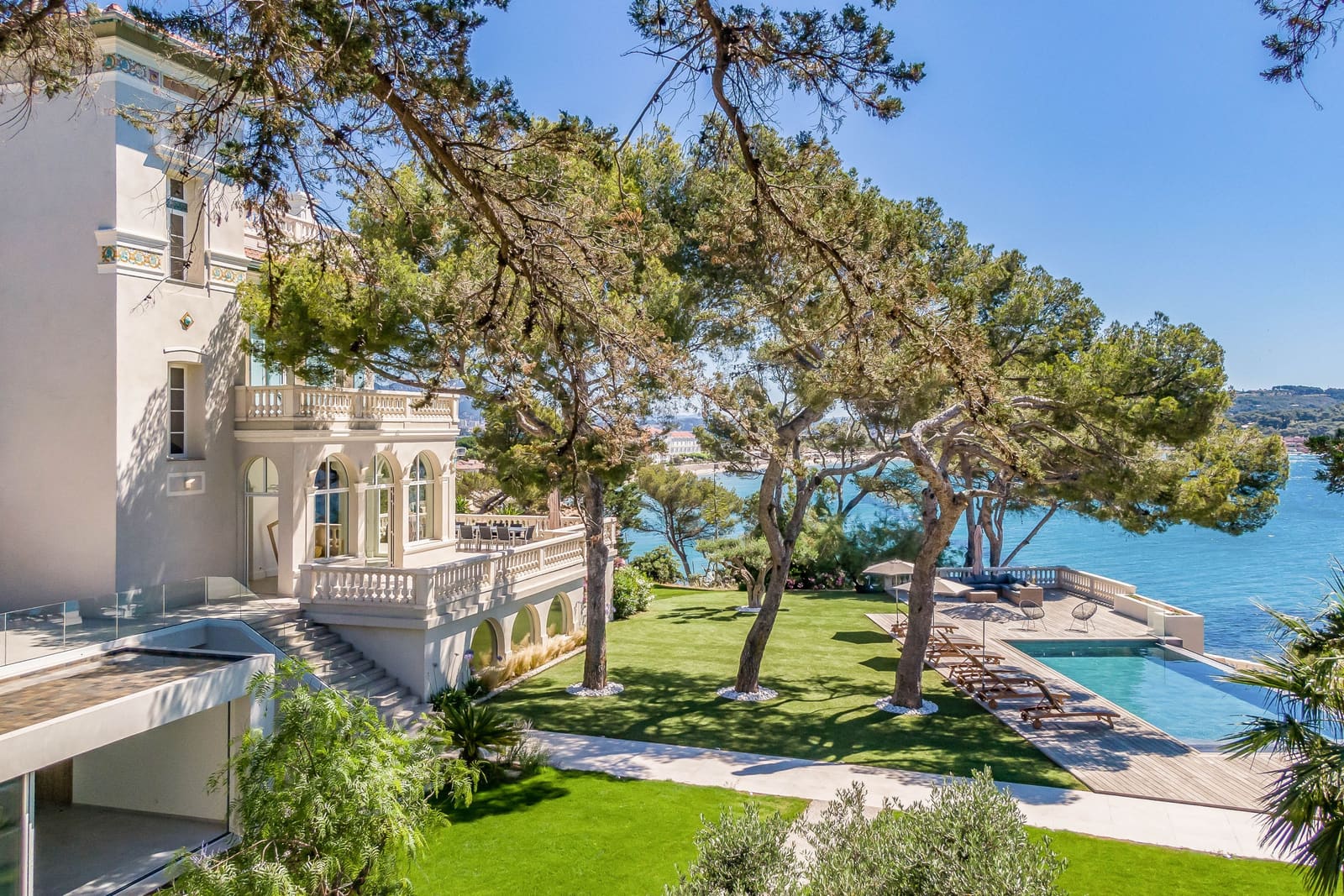
27 Jul 2026 / 5 min
20 Jul 2026 / 5 min
13 Jul 2026 / 5 min
4 Feb 2026 / 5 min