
When Ten Experts Speak, the Islands Listen
A remarkable consensus among seasoned travelers reveals the archipelago that quietly holds everything the world's best islands promise - and delivers it without fanfare.
SI
6 Jul 2026 · 5 MIN READ · UPDATED 17 AUG 2026
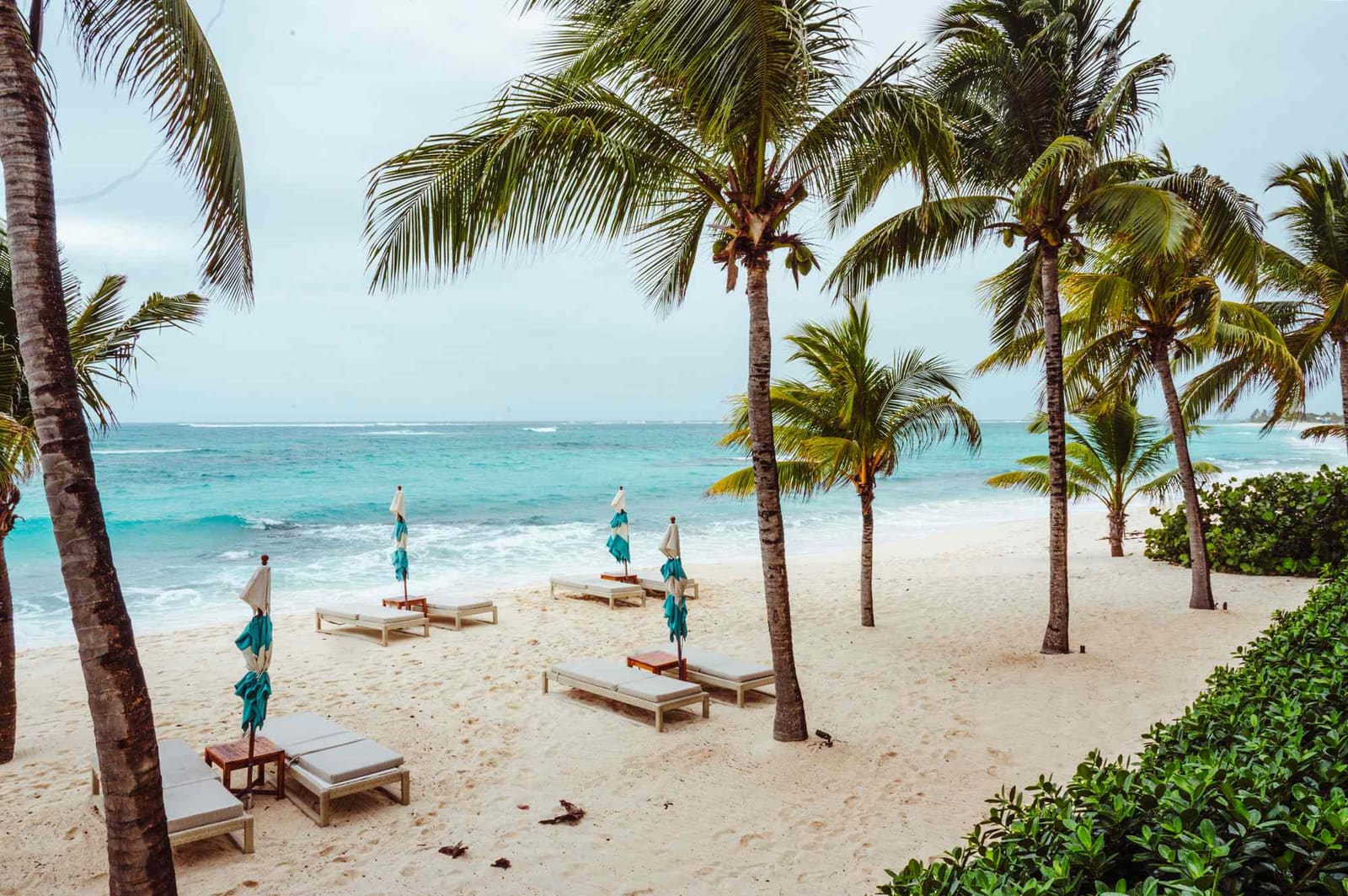
The Quiet Consensus
There is something telling when people who have made a life out of crossing oceans and cataloging coastlines all arrive at the same conclusion. Not through orchestration or trend, but through the kind of accumulated experience that resists easy summary. At Global Chic Voyage, we've watched certain destinations rise and fall in the collective travel consciousness, their fortunes tied to Instagram algorithms or airline route announcements. But when ten seasoned experts independently name the same region as their island ideal, the endorsement carries a different weight - one born of return visits, of places that sustain interest beyond the first impression.
The region in question is not new to the conversation. It has appeared in our pages before, often in the context of villa openings or marine conservation efforts. What strikes us now is not novelty but durability: the capacity of these islands to satisfy wildly different appetites, from the traveler seeking barefoot luxury to the one who measures a destination by the health of its reefs.
The Architecture of Appeal
What makes an island destination worthy of expert consensus? The answer, we suspect, lies less in any single attribute than in the layering of them. These islands offer luxury without ostentation, nature without the performance of eco-tourism, and a sense of place that feels earned rather than manufactured. The resorts here understand restraint. Villas open to the horizon rather than block it. Restaurants source from waters you can see from your table. The design language borrows from vernacular traditions without cosplaying them.
This is not to say the region lacks ambition. Several properties have invested significantly in sustainability certifications, while others have pioneered marine restoration programs that extend well beyond their immediate coastlines. But the ethos remains one of integration rather than imposition. Development follows the contours of the land; architecture defers to landscape. It is a philosophy that allows the islands themselves to remain the primary attraction.
Why Experts Return
In our conversations with travelers whose opinions we trust, the reasons for return visits cluster around a few themes. First, the sheer variety compressed into a manageable geography. Within a single trip, one can anchor off uninhabited atolls in the morning and dine in a Michelin-caliber restaurant by evening. The logistical ease matters: inter-island transfers that feel less like commutes and more like extensions of the experience itself, whether by seaplane, catamaran, or traditional outrigger.
Second, the region has managed to scale its hospitality infrastructure without sacrificing intimacy. New properties open, yes, but they tend toward the boutique end of the spectrum. Staff-to-guest ratios remain high. Service feels personalized because it often is; many resorts employ locals who bring generational knowledge of tides, weather, and the best dive sites that never make it into guidebooks.
Third, and perhaps most crucially, the islands have retained a sense of discovery. Even well-traveled experts report finding beaches, villages, or reefs that surprise them. This is partly geography - hundreds of islands, many lightly inhabited - and partly culture. Local communities have been selective about tourism development, preserving spaces for themselves and, by extension, for visitors willing to venture beyond the resort perimeter.
The Luxury Traveler's Calculation
For those whose travel is measured in thread count and butler service, the region delivers without apology. Over-water bungalows have become a signature, though the best examples go far beyond the form's clichés. We've stayed in villas where the glass floor panels reveal manta rays gliding beneath, where outdoor showers are fed by rainwater harvesting systems, where the minibar is stocked with locally distilled spirits that rival anything from Europe.
But luxury here is also defined by access: to dive sites known to only a handful of guides, to private island picnics arranged with the kind of casual elegance that suggests this is simply how things are done, to spa treatments that incorporate indigenous botanicals in ways that feel less like appropriation and more like collaboration. The region has attracted hospitality brands that understand the traveler for whom excess is boring and restraint is the ultimate indulgence.
The Nature Enthusiast's Reward
Strip away the villas and the service, and the islands still command attention. Coral reefs here are among the most biodiverse in the world, home to species found nowhere else. The waters shift from turquoise to cobalt depending on depth and light, a gradient so precise it feels almost designed. Above the waterline, the flora ranges from coconut groves to montane rainforest, ecosystems compressed into elevations that can be hiked in an afternoon.
Conservation efforts have gained traction in recent years, driven by both government policy and private sector investment. Marine protected areas have expanded, and several islands have committed to renewable energy targets that would be ambitious even for developed nations. For the traveler whose conscience travels with them, the region offers a way to indulge without entirely abandoning principles.
The Cultural Thread
What prevents the region from feeling like a stage set for tourist fantasies is the persistence of local culture. Traditional navigation techniques are still taught and practiced. Craftsmanship in woodworking, weaving, and tattooing continues not as museum piece but as living practice. Festivals tied to lunar cycles or harvest seasons happen whether visitors are present or not.
This is not to romanticize. Tourism has brought change, some of it unwelcome. But the islands have managed a balance that eludes many destinations: welcoming travelers while retaining the rhythms and rituals that make a place distinct. For the expert traveler, this authenticity is non-negotiable. It is the difference between a destination and a resort, between travel and mere relocation to better weather.
The Verdict We've Seen Before
The unanimous choice of ten experts is less revelation than confirmation. At Global Chic Voyage, we've long advocated for destinations that reward curiosity, that layer experience rather than flatten it into itinerary. This region does that work quietly, without the fanfare of newer contenders or the desperation of fading stars. It simply continues to be what it has been: a collection of islands that understand the assignment and execute it with a grace that feels effortless, even when we know it is not.
For those keeping a list, for those who measure their travel lives in islands visited and oceans crossed, the expert consensus offers a useful data point. But the real test, as always, is the return visit - the willingness to come back not because the destination is new but because it remains, in all the ways that matter, inexhaustible.
Photo: Taylor McIntyre / Travel + Leisure
Spot something wrong? Email editors@globalchicvoyage.com. We log every correction publicly.
RELATED
SEE ALL →
15 Jul 2026 / 5 min

17 Jul 2026 / 5 min
29 Jul 2026 / 5 min

9 Jul 2026 / 5 min