
Where Jasmine Meets The Science Of Aging: Thailand's Longevity Renaissance
c
SI
6 May 2026 · 5 MIN READ · UPDATED 17 AUG 2026
The New Pilgrims of Lumphini Park
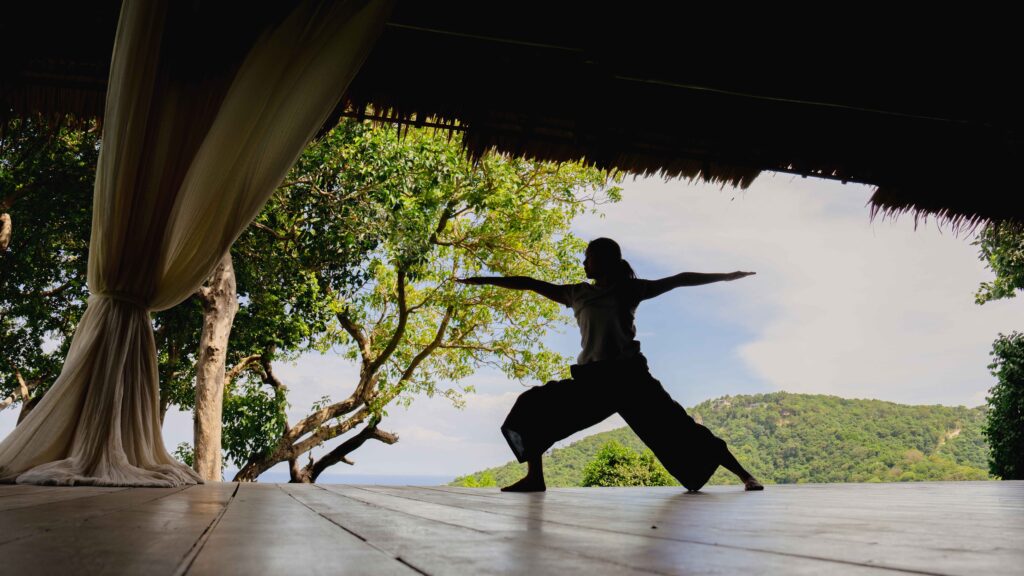
In the humid dawn of Bangkok's Lumphini Park—the city's famed "Green Lung"—the air carries scents that seem mismatched: damp earth, night-blooming jasmine, and faintly, the metallic tang of ozone from a nearby wellness clinic's hyperbaric chamber. Here, under the canopy of rain trees, foreign visitors in athletic wear move through slow, deliberate stretches alongside Thai regulars. They are not tourists in the conventional sense. They have come to Thailand not to see the Grand Palace or ride elephants, but to buy time—literal years—through a marriage of ancient wisdom and cutting-edge bioscience.
This is longevity tourism in 2026, and Thailand has emerged as its unlikely global capital.
What began as medical tourism—hip replacements and cosmetic procedures at a fraction of Western prices—has evolved into something more profound: a pilgrimage for those seeking not just to live longer, but to extend what researchers call healthspan, the number of years lived in robust, functional health. The distinction matters. Longevity without vitality is a hollow prize. Thailand, with its convergence of world-class medical infrastructure, cultural practices that mirror the lifestyles of the world's Blue Zones, and a government eager to brand itself as a "healing destination," has positioned itself at the vanguard of this movement.
High-tech Meets High-touch: The Thai Advantage
Thailand's ascent to longevity leadership is the result of deliberate strategy. Over the past decade, the Tourism Authority of Thailand (TAT) has cultivated a "Medical Hub" vision, transforming the country into what it now markets as the place where "Healing is the New Luxury." The phrase is aspirational, yes, but increasingly accurate.
In Bangkok, facilities like the Global Institute of Aesthetics (GIA) operate on what they call a "Longevity 5.0" model—an ecosystem where artificial intelligence, cloud computing, predictive analytics, and regenerative medicine converge. The philosophy is audacious: that the biological code of aging can be read, edited, and rewritten. Clients undergo comprehensive diagnostics that map everything from telomere length to microbiome diversity, then receive bespoke protocols involving stem cell therapy, ozone infusions, and nutritional recalibration. Real-time video consultations with longevity specialists from Silicon Valley, Zurich, or Tokyo are standard.
Meanwhile, Healthi Life, Bangkok's first physician-led private longevity house, offers fly-in programs ranging from a single-day executive health audit to a seven-day "total regeneration" immersion. Each program includes precision diagnostics, regenerative interventions, and critically, a thirty- to ninety-day post-departure follow-up with a personal physician. The continuum of care extends far beyond the borders of Thailand itself.
Yet what distinguishes Thailand from, say, a longevity clinic in Zurich or Los Angeles, is the integration of something harder to quantify: cultural texture. Thai wellness philosophy does not treat the body as a machine to be optimized in isolation. Community, purpose, and movement are woven into daily life. The act of giving alms to monks at dawn, the anti-inflammatory compounds in galangal and turmeric that season nearly every meal, the emphasis on sanuk (joy) even in mundane tasks—these are not tourist performances but living practices that align, almost accidentally, with the principles of the world's Blue Zones, where people routinely live past one hundred.
A Geography of Rejuvenation
Thailand's longevity tourism is not monolithic; it is regionally tailored, each destination addressing a different facet of the aging process.
Bangkok is the Precision Hub. This is where you come for interventions that sound like science fiction: hyperbaric oxygen therapy to accelerate cellular repair, individualized stem cell applications, NAD+ infusions to boost mitochondrial function. The city's clinical infrastructure rivals that of any global metropolis, yet the experience is wrapped in the hospitality of a five-star hotel rather than the sterility of a hospital ward.
Chiang Mai, nestled in the northern highlands, offers something softer: slow living as medicine. Wellness resorts like Aleenta Retreat combine mindfulness practices, forest bathing, and physiotherapy. The pace here is deliberate, designed for nervous system restoration—ideal for burned-out executives or retirees seeking not just longevity but quality of presence.
Hua Hin and Ko Samui are home to legendary wellness resorts such as Chiva-Som and Kamalaya, where hospitality and biohacking merge. Cold plunges, infrared saunas, personalized fitness regimens, and Ayurvedic treatments are delivered with the polish of luxury hospitality.
Phuket, with its turquoise waters and limestone cliffs, has become a hub for biohacking retreats that offer advanced therapies—stem cell rejuvenation, biological age testing, and NAD+ drips—against a backdrop that makes the clinical feel aspirational.
The "Visa for Life" and the Economics of Time
Recognizing the economic and soft-power potential of longevity tourism, the Thai government has streamlined access. New medical visas allow foreign patients and companions to stay for up to ninety days, with multiple entries permitted. This is crucial: longevity interventions are not quick fixes. They require extended stays, follow-up treatments, and lifestyle adjustments that unfold over weeks, not days.
The financial calculus is compelling. In 2026, a comprehensive longevity assessment in Bangkok—full-body imaging, genomic sequencing, epigenetic testing—costs roughly sixty percent less than equivalent services in the United States or Western Europe. For many, this is not medical tourism but medical pragmatism.
Yet the value proposition extends beyond cost. It is the alchemy of place: the ability to undergo a bone marrow stem cell procedure in the morning and practice Vipassana meditation in a temple garden by evening. To receive a telomere analysis while sipping butterfly pea flower tea. To be treated not as a patient but as a pilgrim on a journey toward vitality.
The Longevity Imperative
Thailand's embrace of longevity tourism is not merely opportunistic; it is existential. The country itself is aging rapidly. By 2040, more than a quarter of Thailand's population will be over sixty. The government's investment in longevity infrastructure is as much about serving its own citizens as it is about attracting foreign capital. The knowledge, technology, and cultural practices being refined for international visitors will, in time, benefit Thai society at large.
But the implications reach beyond Thailand. As populations age globally and healthcare costs spiral, the model Thailand is building—blending medical precision with cultural wisdom, accessibility with luxury, intervention with prevention—offers a template. It suggests that the future of healthcare may not be found solely in hospital systems or pharmaceutical breakthroughs, but in destinations that treat aging as a journey to be guided rather than a condition to be endured.
The River and the Reflection
As the sun dips below the Chao Phraya River, casting gold across the water, the travelers lining its banks are not here to photograph Wat Arun or sample street food. They are here because they want many more sunsets—many more years to see the rest of the world. Thailand has transformed aging into an active celebration, a synthesis of tradition and innovation.
In Lumphini Park, the Tai Chi practitioners will return tomorrow, and the day after, their movements a quiet defiance of entropy. The clinics will hum with data and hope. The monks will continue their morning rounds, and the kitchens will simmer with turmeric and lemongrass. And somewhere, a visitor will receive a biological age test showing they have turned back the clock—not through fantasy, but through the careful, intentional art of living well.
Thailand has become the capital of longevity not by accident, but by design. And the journey, as they say, has only just begun.
Spot something wrong? Email editors@globalchicvoyage.com. We log every correction publicly.
RELATED
SEE ALL →
6 May 2026 / 5 min
29 Apr 2026 / 5 min
31 Mar 2026 / 5 min
28 Apr 2026 / 5 min