
The Slow Return: Nine Days on Italian Rails
When train travel becomes the destination itself, luxury lies not in speed but in the measured rhythm of stations, compartments, and landscapes rolling past.
SI
29 Jul 2026 · 5 MIN READ · UPDATED 17 AUG 2026
The Architecture of Departure
There is a particular quality to the light inside Milano Centrale in the early morning, when the vaulted ceilings catch the first rays and the departures board flickers through a dozen destinations. We stood beneath that immense hall - a Fascist-era monument to movement - and felt the old pull of the rails, that magnetic draw of somewhere else accessible by steel and patience alone.
At Global Chic Voyage, we've watched the renaissance of train travel unfold across Europe over the past five years, but Italy presents a unique proposition. This is not the efficient point-to-point transit of Switzerland or the romantic sleeper nostalgia of the Orient Express. Italian rail travel operates in its own register: part theater, part social ritual, part meditation on landscape. When a curated rail journey promises nine days threading through the peninsula, the question becomes not where you will go, but how you will arrive.
The itinerary we followed began in Milan and traced a deliberate arc southward - Florence, Rome, the Amalfi Coast, then a loop back through smaller stations whose names appear on no tourist map. The structure was loose enough to permit spontaneity yet scaffolded with first-class reservations, hotel transfers, and guided encounters in each city. What emerged was a travel rhythm we rarely experience in an age of optimization: the luxury of moving slowly, with intention, across a geography that rewards attention.
Compartments as Contemplation
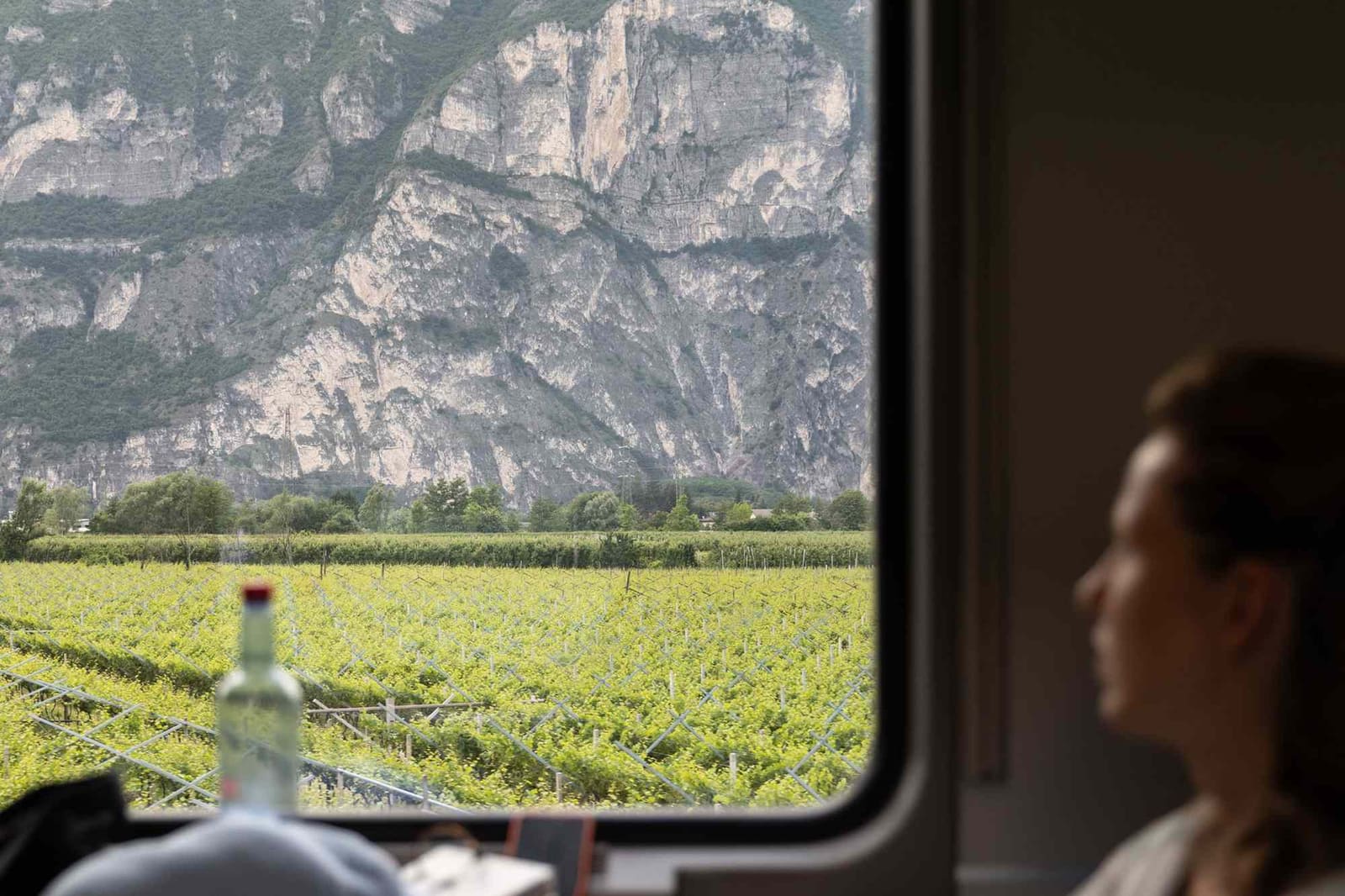
The trains themselves varied. High-speed Frecciarossa services shot us from Milan to Florence in under two hours, the Tuscan hills blurring into watercolor washes outside hermetically sealed windows. Regional trains, by contrast, opened their doors at every hilltop town, admitting bursts of dialect and the scent of espresso from station bars. First-class compartments offered leather seats, power outlets, and a quietness that felt almost devotional.
But the real luxury was temporal. With no need to navigate ticket counters or decipher platform changes - those details handled in advance - we found ourselves free to observe. An elderly woman boarding at Orvieto with a basket of figs. A group of university students debating philosophy in rapid-fire Italian. The way light fell differently on stone farmhouses depending on the hour and the region. Train travel, when relieved of logistical anxiety, becomes a form of active observation, a moving salon where the landscape is both subject and audience.
We noticed, too, how the rhythm of stops and starts shaped our appetite for arrival. By the time we descended into Roma Termini, we had already shed the urgent energy of air travel. We were acclimatized to Italy, primed to walk its streets without the jarring dislocation that comes from being funneled through an airport and deposited in a city center.
The Curated and the Spontaneous
Each city brought its own choreography of planned and unplanned encounters. In Florence, a pre-arranged walking tour led us through the Oltrarno district, where artisan workshops still practice techniques unchanged since the Renaissance. Our guide - a restoration specialist by training - spoke of fresco pigments and wood-joinery with the precision of a surgeon. Yet the afternoon was ours, and we spent it wandering the Boboli Gardens, then stumbling into a trattoria where the menu was recited, not written, and the pappardelle al cinghiale tasted of forest and time.
Rome offered a similar balance. A private tour of the Galleria Borghese in the morning, Bernini's sculptures catching the controlled light of the museum's carefully timed entry system. Then hours lost in Trastevere, following the logic of cobblestones and the scent of baking bread, finding a wine bar that served only natural wines from Lazio and small plates of cured meat from a single producer in Abruzzo.
This interplay - between the expertly curated and the accidentally discovered - is where rail-based travel finds its greatest advantage. Unlike cruise itineraries or tightly scheduled tours, the train journey allows for porosity. You can follow the plan or abandon it. You can stay an extra hour in a piazza or catch an earlier train. The infrastructure supports you without dictating your pace.
Amalfi's Vertical Drama
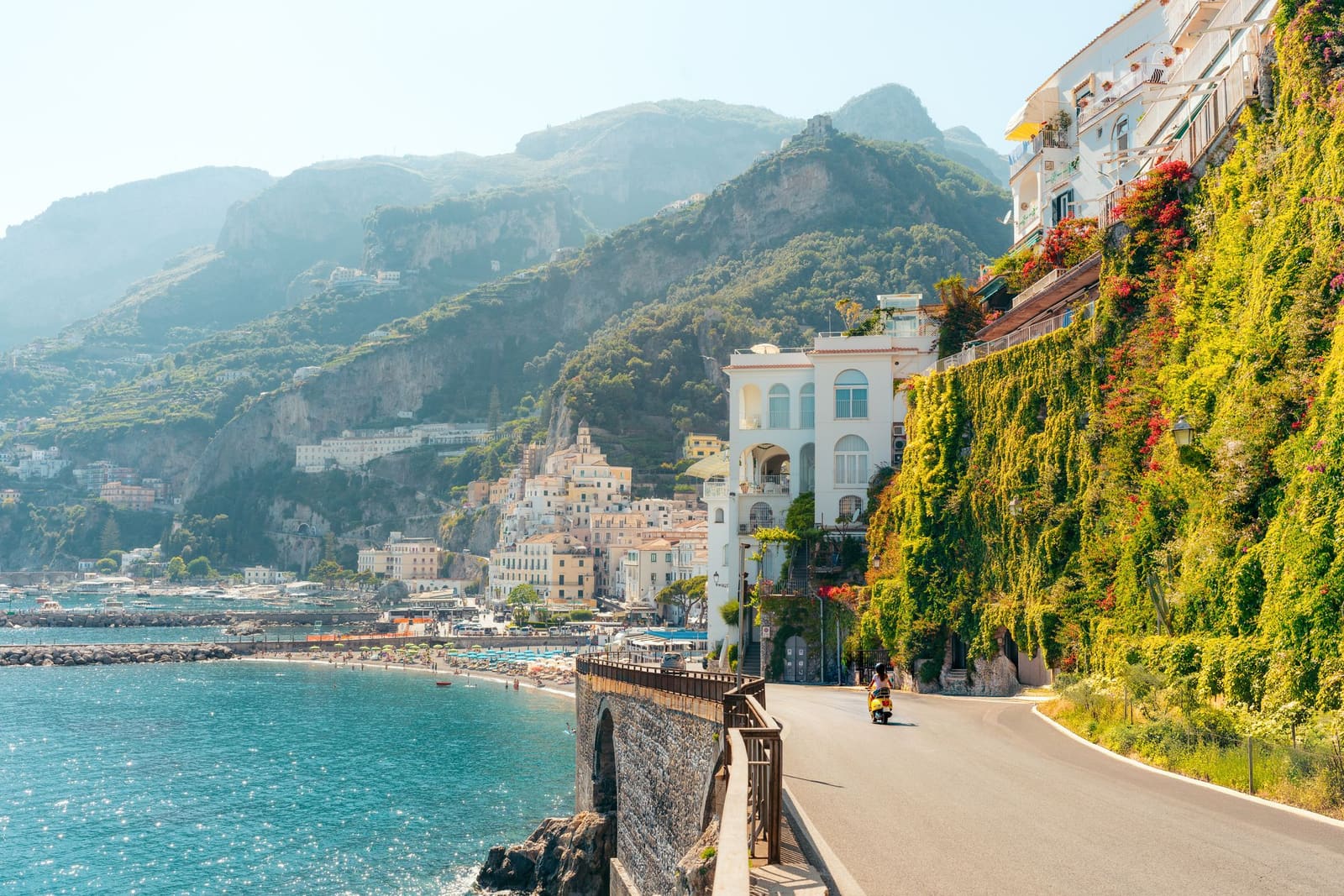
The southern leg presented a different geography altogether. To reach the Amalfi Coast required a train to Salerno, then a transfer to the winding coastal road, where buses and taxis negotiate hairpin turns above water so blue it seems digitally enhanced. Our hotel perched on a cliff in Positano, accessible only by a series of staircases that descend through bougainvillea and lemon groves.
Here, the rail journey paused, but its ethos continued. We explored Ravello's gardens, where terraces frame the sea like living paintings. We hired a boat to visit the smaller coves, inaccessible by road, where the water was cold and clear and tasted faintly of salt. We ate seafood that had been swimming hours earlier, prepared with nothing more than olive oil, lemon, and heat.
The contrast between the Amalfi Coast's vertical intensity and the horizontal glide of train travel was striking. Both modes of movement, however, shared a common philosophy: they asked us to slow down, to look closely, to let the landscape assert its own tempo.
The Return North and the Smaller Stations
The final days traced a less-traveled route back north. We stopped in Orvieto, a hilltop city whose cathedral facade is a masterwork of Gothic excess, and where the local white wine - Orvieto Classico - is crisp and faintly mineral. We paused in Siena, arriving during the late afternoon when the Piazza del Campo fills with golden light and the city feels suspended between medieval past and cosmopolitan present.
These smaller stations revealed something essential about Italian rail culture. Unlike the grand termini of Milan or Rome, these stops were intimate, almost village-like. Station bars served real coffee and pastries baked that morning. Locals waited on benches, not staring at phones but engaged in conversation or simply watching trains arrive and depart. The pace was human-scaled, unhurried.
We began to understand that the journey's architecture was not simply geographic but emotional. Each stop recalibrated our sense of time and attention. By the final leg back to Milan, we felt not exhausted by travel but nourished by it. We had covered significant ground, yet we had also been still - present in each place, attuned to its particular quality of light and life.
What Remains When You Arrive
Back in Milano Centrale, beneath the same vaulted ceilings where we began, the journey felt both complete and open-ended. We had seen major monuments and hidden corners, eaten in Michelin-starred restaurants and family-run osterias, traveled in silence and in animated conversation with strangers who became, briefly, companions.
The rail journey had offered something increasingly rare in contemporary travel: the experience of transition as valuable as destination. The hours spent watching landscape unfold, the conversations struck up in dining cars, the quiet pleasure of reading a book while countryside scrolls past - these are not incidental to the journey but intrinsic to its value.
At Global Chic Voyage, we return often to the question of what luxury means in an era when speed and access are nearly universal. This nine-day passage through Italy suggested an answer. Luxury is not the elimination of time but its expansion. It is the freedom to move through space without haste, to arrive not just at a place but at a state of receptivity. It is the confidence that the infrastructure will support you - seamless bookings, comfortable seats, knowledgeable guides - while leaving room for the unpredictable encounters that make travel transformative.
The trains continue to run, north and south, threading through cities and countryside. The departures board flickers. Somewhere, another journey is beginning.
Credit: Christopher Larson / Travel + Leisure
Spot something wrong? Email editors@globalchicvoyage.com. We log every correction publicly.
RELATED
SEE ALL →
30 Jul 2026 / 5 min
24 Jul 2026 / 5 min
15 Jul 2026 / 5 min
14 Jul 2026 / 5 min