
When Wellness Retreats Learned to Welcome the Whole Family
Across the Maldives, Massachusetts, and the Swiss Alps, once adults-only sanctuaries are reimagining health as a shared journey, from infancy through adolescence and beyond.
SI
30 Jun 2026 · 5 MIN READ · UPDATED 17 AUG 2026

A Shift in Philosophy
Picture a mother and daughter on adjacent yoga mats, their breath synchronized as the Indian Ocean stretches out before them. Or a grandmother and grandson side by side in a cold plunge pool, counting down together before they surface, laughing. These scenes, once unimaginable at the world's premier wellness properties, are becoming commonplace.
At Global Chic Voyage, we've watched the wellness industry undergo a quiet revolution. For decades, the script was clear: leave your family at home, book a silent retreat, and return transformed. The assumption was that health required isolation, that self-care demanded solitude. But something fundamental has changed in how we understand wellbeing. Health, it turns out, is not merely an individual achievement. It's woven into the fabric of our closest relationships, and it begins far earlier than we once believed.
The properties we've returned to this year tell a different story than they did even two seasons ago. Resorts that once turned away anyone under eighteen are now designing programming for toddlers. Spas that marketed themselves as child-free sanctuaries are hiring adolescent wellness counselors. The transformation reflects a broader recognition: longevity and vitality are nurtured across generations, not in isolation from them.
The Architecture of Shared Wellness
What does it mean to design a wellness experience for a fourteen-year-old and her mother, or a grandfather and his grandson? The challenge is more nuanced than simply adding a kids' club with healthier snacks. Each stage of life carries distinct physical needs, emotional landscapes, and capacity for introspection.
Chiva-Som International Health Resorts pioneered this approach when it opened Zulal Wellness Resort in Qatar in 2023, followed by expanded multi-generational offerings at its flagship Hua Hin property in Thailand earlier this year. The model pairs families with a dedicated mentor who orchestrates both individual consultations and shared experiences. A teenager might receive guidance on managing academic stress while her father addresses mobility concerns and her grandmother explores nutritional strategies for healthy aging. Later, all three might gather for a family fitness challenge or an intergenerational spa treatment designed to foster connection.
"Multigenerational wellness recognizes that health and wellbeing evolve across every stage of life," according to Dr. Jason Culp, Director of Research and Development at Chiva-Som Hua Hin. The programming acknowledges distinct needs while creating space for meaningful bonding rooted in shared values around wellbeing.
The approach requires a delicate balance. Activities must be accessible enough for varying fitness levels yet substantive enough to engage adults accustomed to sophisticated wellness programming. Conversations about nutrition need to resonate with both a menopausal woman and her college-aged son. The most successful properties are those that resist the temptation to dilute their offerings, instead layering complexity in ways that speak to multiple generations simultaneously.
Why the Pioneers Changed Course
In 2024, two of North America's most established wellness brands opened their doors to families for the first time. Miraval Berkshires in Massachusetts introduced Family Connection Week, an annual summer gathering that invites younger guests into select programming. Families might find themselves in a healthy snacking workshop, a mindfulness session overlooking the mountains, or salsa dancing lessons that dissolve the usual parent-child awkwardness.
Gilbert Santana, general manager of Miraval Berkshires, notes that families increasingly seek travel experiences that go beyond proximity. They want to learn and create together, to try something unfamiliar side by side. The week allows parents, grandparents, and extended family to connect through movement, culinary exploration, and nature in ways that feel intentional rather than accidental.
Canyon Ranch Lenox, also in Massachusetts, launched a week-long family summer camp that weaves outdoor adventures with educational sessions on stress management and nutrition. The response was immediate and enthusiastic enough that both the Lenox and Tucson properties now offer Let Wellness Grow, a summer-long program welcoming young people aged thirteen to twenty-one at no additional charge.
Dr. Jennifer Wagner, Chief Health and Performance Officer at Canyon Ranch, observes that planning engaging vacations becomes more complex once children outgrow theme parks. Camp was conceived as a solution, but its value extends beyond logistics. Young people today absorb nutrition and fitness information primarily through social media, a landscape thick with misinformation and unrealistic standards. When parents attempt to offer guidance, the message often lands poorly. "This week is an opportunity to have kids in a relaxed, non-authoritarian setting where qualified experts can cut through the noise," Dr. Wagner explains.
The educational component serves everyone. A workshop on strength training for women, for instance, traces how needs shift from puberty through menopause, offering insight relevant to mothers and daughters simultaneously. A father-daughter cold plunge challenge becomes a lesson in discomfort tolerance and resilience. The setting transforms what might be a contentious conversation at home into a shared discovery.
Addressing Adolescence with Seriousness
Teen wellness programming has historically leaned toward the superficial: face masks, nail polish, treatments that felt more like indulgence than transformation. But the current generation of adolescents navigates pressures their parents never encountered. Screen addiction, social media comparison, academic intensity, and climate anxiety shape their daily experience. Wellness properties are beginning to respond with the gravity the moment demands.
Earlier this year, Chiva-Som Hua Hin lowered the minimum age for its programming from sixteen to fourteen, a deliberate choice to meet adolescents at a pivotal developmental stage. Offerings include individual and family mental wellness counseling, lifestyle empowerment consultations, and adolescent nutritional guidance that respects the complexity of teenage bodies and minds.
Khun Krip Rojanastien, Chairman and CEO of Chiva-Som International Health Resorts, articulates the intention: the goal is not to create a traditional teen program but to introduce wellness in ways that respect adolescent individuality while encouraging family connection. Fourteen is an age when young people can actively engage in consultations, movement practices, and mindfulness experiences that shape long-term wellbeing. If younger generations come to understand wellness not as luxury but as a lifelong foundation, the impact extends beyond individuals to families and communities.
Beth McGroarty, Vice President of Research and Forecasting for the Global Wellness Institute, has tracked this evolution closely. The shift reflects a growing understanding that adolescence is not merely a phase to survive but a critical window for establishing patterns that will influence health for decades.
Starting Even Earlier
Some properties are pushing the threshold younger still, recognizing that habits form in infancy and toddlerhood. Traditional kids' camp activities are being reimagined through a wellness lens. Joali Being in the Maldives operates a B'Kidadult Zone where children participate in memory games and animal flow yoga, introducing mindful movement as play. Six Senses Kanuhura Resort in the Maldives offers complimentary fitness programming where parents work their core while children join breathwork sessions and brain-building activities.
At Six Senses Crans Montana in Switzerland, Emotional Journey workshops encourage children to explore feelings through music, drawing, and emotion-based mime games. The approach normalizes emotional literacy as a skill to be practiced, not a problem to be solved.
Four Seasons Resort Punta Mita in Mexico recently introduced Babies for All Seasons Programs, designed for families with infants up to eighteen months. John O'Sullivan, the resort's Regional Vice President and General Manager, notes that traveling with an infant ranks among the most logistically demanding experiences a parent can undertake. If the resort can remove even a fraction of that burden, parents might actually exhale.
The program includes chef-crafted baby dining menus made with fresh, locally sourced ingredients, baby yoga classes, and baby-and-me reflexology. The underlying philosophy is simple but radical: wellness is not reserved for adults. Introducing these practices in infancy normalizes them, weaving health into the family's fabric from the beginning.
The Economics of Connection
This shift also reflects changing travel economics. Healing Holidays, a boutique travel specialist focused on European spa vacations, noted in their 2026 wellness forecast that multi-generational family wellness retreats are surging. Families increasingly choose experiences that support health, connection, and longevity across every age group rather than prioritizing individual escapes.
The trend sits at the intersection of two larger movements: the rise of multi-generational travel and the growing interest in longevity. As lifespans extend and families become more geographically dispersed, intentional gathering takes on new significance. A week at a wellness resort becomes not just a vacation but an investment in collective health, a way to align values across generations and create shared memories rooted in vitality rather than consumption.
Properties that once relied on solo travelers seeking transformation are discovering a different business model: families willing to invest significantly in experiences that serve everyone. The economics work when programming is sophisticated enough to justify premium pricing while accessible enough to engage a ten-year-old and his grandmother.
What We Gain, What We Lose
There is something lost in this evolution, of course. The adults-only wellness retreat offered a particular kind of sanctuary, a rare permission to focus entirely on oneself. For many, especially women balancing caregiving responsibilities, that solitude held profound value. The question is whether the industry can hold space for both models, offering paths for individual transformation alongside opportunities for shared growth.
The properties navigating this transition most successfully maintain boundaries. Family programming occupies specific weeks or designated areas, preserving quiet zones for guests seeking solitude. The challenge is logistical and philosophical: how to honor the need for individual retreat while acknowledging that health, for most of us, unfolds in relationship.
At its best, multi-generational wellness programming does something more valuable than simply keeping a family occupied. It creates a shared language around health, a common vocabulary for discussing stress, movement, nutrition, and emotional wellbeing. A teenager who learns breathwork alongside her mother is more likely to return to the practice at home. A father who completes a cold plunge challenge with his daughter establishes a ritual they might continue. These experiences become reference points, moments the family can return to when navigating difficulty.
The Long View
We are still in the early days of this shift, watching properties experiment with programming and refine their approach. Some offerings will prove superficial, wellness theater designed to justify higher rates without delivering substance. But the best properties understand they are not simply adding amenities. They are reimagining what wellness means, expanding it from an individual pursuit to a collective practice.
The children participating in these programs today will grow into adults with a different relationship to health than their parents had. They will understand wellness not as something to be pursued in mid-life crisis but as a continuous thread woven through every stage of living. They will carry memories of practicing yoga beside their grandmothers, learning to cook nourishing meals with their fathers, sitting in silence with their siblings as the sun rose over mountains or ocean.
Whether this represents a fundamental shift or a passing trend remains to be seen. But for now, the wellness industry is making a wager: that health is not a solitary achievement but a shared journey, that connection itself is a form of medicine, and that the practices we introduce in childhood shape not just individual lives but the wellbeing of families and communities for generations to come.
Photo: Four Seasons
Spot something wrong? Email editors@globalchicvoyage.com. We log every correction publicly.
RELATED
SEE ALL →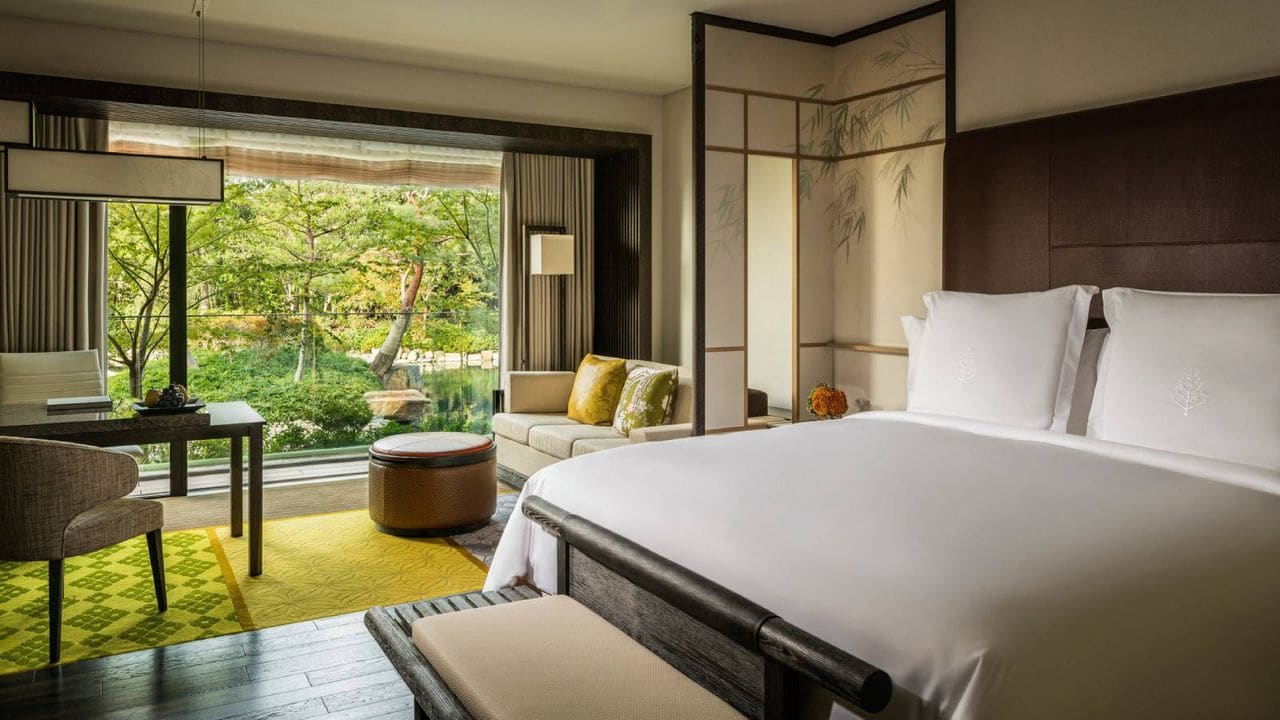
3 Jul 2026 / 5 min
2 Jul 2026 / 5 min

1 Jul 2026 / 5 min
23 Jun 2026 / 5 min