
Where Mexico Reveals Its Most Intimate Self
Beyond the postcard beaches, a new generation of properties is rewriting the country's hospitality story with cliffside sanctuaries, desert-edge retreats, and rooms that remember your name.
SI
8 Aug 2026 · 5 MIN READ · UPDATED 17 AUG 2026
The Memory of Arrival
There is a moment, just after the car winds through the private tunnel carved into Cabo's volcanic cliffs, when the Pacific opens before you like a secret. The roar of waves replaces the hum of the world you left behind. Your room waits with its own plunge pool cantilevered over the rocks, and already the concierge knows whether you prefer mezcal or tequila in your welcome cocktail. This is not the Mexico of spring-break beaches or buffet lines. This is the country at its most considered, its most deeply itself.
At Global Chic Voyage, we have watched Mexico's luxury hotel landscape shift over the past decade from a formulaic parade of beachfront compounds into a constellation of properties that understand what travelers now seek: authenticity layered with refinement, privacy without isolation, design that speaks to place rather than shouting over it. The hotels we return to year after year have mastered the art of making a stay feel less like a transaction and more like a homecoming, even on first visit.
Baja's Cliffside Reckoning
The Baja Peninsula has long been defined by its dual coastlines: the wild Pacific to the west, the calmer Sea of Cortez to the east. But it is the properties perched at the peninsula's southern tip, where desert meets ocean in dramatic collision, that have recently captured our attention.
Waldorf Astoria Los Cabos Pedregal, carved directly into volcanic rock and accessible only through that now-famous tunnel, has earned recognition across multiple hospitality honors for its commitment to privacy and its integration with the landscape. Every accommodation here, from rooms to multi-bedroom villas, comes with unobstructed ocean views and a private plunge pool. The ocean is not swimmable at this particular stretch, but the hotel has turned that limitation into an asset: guests come not to wade but to watch, to listen, to retreat.
The culinary program is where Pedregal distinguishes itself most clearly. Don Manuel's anchors the dining experience with Baja-focused fine cuisine, while El Farallon offers cliffside tables where the theatre of crashing waves becomes part of the meal. The Agave Study goes deeper still, offering tastings that trace the genealogy of Mexico's most storied spirits. Service here is anticipatory rather than reactive; the concierge team operates with the quiet efficiency of people who have seen every request before and know how to fulfill it before you finish asking.
Further along the coast, Esperanza sits on the only private beach in Los Cabos, a distinction that matters more than it might elsewhere. The property's 57 rooms feel like studies in restraint: white linens, pale wood, walls of glass that dissolve the boundary between interior and the endlessly photogenic coastline. Several room categories include private infinity pools, though the hotel's two-tiered communal pool remains a gathering point for those who prefer their solitude in company.
The spa at Esperanza deserves its own mention. Built around natural steam caves and offering treatments rooted in indigenous healing traditions, it operates less like a hotel amenity and more like a standalone destination. Guests book sessions that include sea foraging along the property's rocky shoreline, learning which plants and minerals have been used in coastal Mexican wellness practices for centuries.
The New Cabo Aesthetic
For years, Cabo's hotel architecture defaulted to a hacienda template: terracotta tiles, whitewashed walls, wrought iron. The Cape, which opened in 2016, rejected that entirely. Designed by Mexico City architect Javier Sanchez, it channels mid-century Southern California minimalism, all clean lines and uncluttered sightlines. The result feels less like a resort and more like a private modernist compound where 100-plus cocktails happen to be on offer.
Every room opens onto a balcony with views of El Arco, the natural rock arch that marks the meeting point of the Pacific and the Sea of Cortez. Select suites include private plunge pools and dedicated butler service. But it is the rooftop bar, Cabo's only elevated lounge of its kind, that has become the property's signature. Sunset here is not an event but a ritual, attended nightly by guests who understand that the right vantage point can transform a daily occurrence into something worth dressing up for.
The restaurant, helmed by chef Enrique Olvera, serves modern Mexican cuisine that refuses to pander. Dishes arrive as translations of regional tradition through contemporary technique, familiar enough to comfort, inventive enough to surprise.
Where the Desert Meets Swimmable Water
The Pacific side of Baja is dramatic, but it is the Sea of Cortez coast, calmer and warmer, that offers the true beach-holiday experience. Montage Los Cabos occupies 39 acres along Santa Maria Bay, where the water is divinely swimmable and the development has not yet reached saturation.
What sets Montage apart is its democracy of view. All 122 rooms, suites, and casas face the ocean, a rarity in a market where properties often reserve prime sightlines for top-tier bookings. Each accommodation includes an expansive terrace with daybed, outdoor shower, and dining area, the kind of indoor-outdoor setup that makes spending the day in your room feel like an activity rather than a retreat.
The design vocabulary here leans into what might be called Mexican minimalism: native woods, earth-toned textiles, sandstone in shades of cream and taupe. Landscaping favors drought-resistant plantings, agave and desert fig and towering saguaro, a nod to the fragile ecosystem that makes this corner of Baja so singular. The pool is reason enough to stay, but knowing the Pacific waits just beyond when you are ready to trade chlorine for salt feels like the kind of luxury that cannot be manufactured.
Further north along the coast, Four Seasons Resort Los Cabos at Costa Palmas occupies a quieter stretch near La Ribera, backed by the Sierra de la Laguna Mountains. The 141 rooms are designed to disappear into the desert palette, with sliding glass walls that open onto private terraces. The property sits within a larger residential development that includes a private marina, and rumors persist of celebrity villa owners, though discretion is part of the appeal.
What draws travelers here is less about the hotel itself and more about access. Cabo Pulmo National Marine Park lies nearby, a protected zone where whale sharks, those gentle polka-dotted giants, arrive seasonally to feed. Snorkeling and diving excursions launch from the resort, as do quad-biking trips into the empty dunes that stretch inland. The property's outpost of Estiatorio Milos serves Greek-inflected seafood dinners, and El Puesto offers beachside ceviche, but the real attraction is the Sea of Cortez itself, tranquil as a lake and infinitely more interesting.
The Original, Still Holding Court
One&Only Palmilla opened in the 1950s as Baja's first true luxury hotel, and Hollywood came immediately. Decades later, it remains the standard against which newer properties measure themselves. What keeps Palmilla relevant is not nostalgia but constant reinvention layered over a foundation of genuine hospitality.
Many staff members are third-generation employees, a detail that matters more than it might seem. They remember not just your name but your preferences, the small details that transform a stay from pleasant to personal. The property's whitewashed hacienda architecture, brightened with hand-embroidered textiles, nods to tradition without becoming a museum piece. Select villas include private fitness suites, spa rooms, and dedicated beach cabanas.
Palmilla's greatest asset is its location on one of Cabo's few swimmable beaches, a stretch of sand that remains uncrowded even in high season. The resort has introduced wellness programming in recent years, including sessions with spiritual healer Alicia Kanxoc, blending ancient practice with contemporary retreat culture. Private butlers, access to a members-only golf course, and a deep roster of water sports round out the offering, but it is that commitment to discretion, to making glamour feel effortless rather than performed, that keeps guests returning.
The Artisan Coast
An hour north of Cabo San Lucas, the town of Todos Santos offers a different version of Baja. Artists and surfers have long gathered here, drawn by consistent waves and a slower pace. Paradero Todos Santos, which opened in 2021, captures that spirit without trying too hard.
The property is small, just 35 suites, and designed to blend into the surrounding desert landscape. Architecture is minimal, almost monastic, with rooms that open directly onto the sand or overlook an infinity pool that seems to spill into the horizon. Guided hikes into the surrounding hills reveal petroglyphs and endemic plant species; the hotel's restaurant sources from nearby farms and fishing co-ops, a commitment to locality that feels genuine rather than marketing-driven.
Todos Santos remains rough around the edges, and Paradero does not try to sand them down. The town's main street is still lined with small galleries and family-run taquerias, and the hotel encourages guests to explore rather than cocooning them in resort amenities. It is an approach that works for travelers who want luxury as a base rather than a bubble.
Why These Properties Endure
The hotels that have come to define Mexico's luxury landscape share certain qualities. They understand that place matters, that a property in the desert should not look or feel like one on the coast. They invest in staff training and retention, recognizing that hospitality is not a script but a practice refined over years. They balance exclusivity with warmth, creating spaces that feel both elevated and genuinely welcoming.
Mexico's hotel scene has moved beyond the all-inclusive template that once dominated its coastlines. The properties we return to offer something harder to quantify: a sense of arrival, of being exactly where you are meant to be, even if you have never been there before. That tunnel through the cliffs, that first glimpse of the Sea of Cortez, that concierge who remembers your mezcal preference - these are not amenities. They are the architecture of memory, the details that turn a trip into a story you will tell for years.
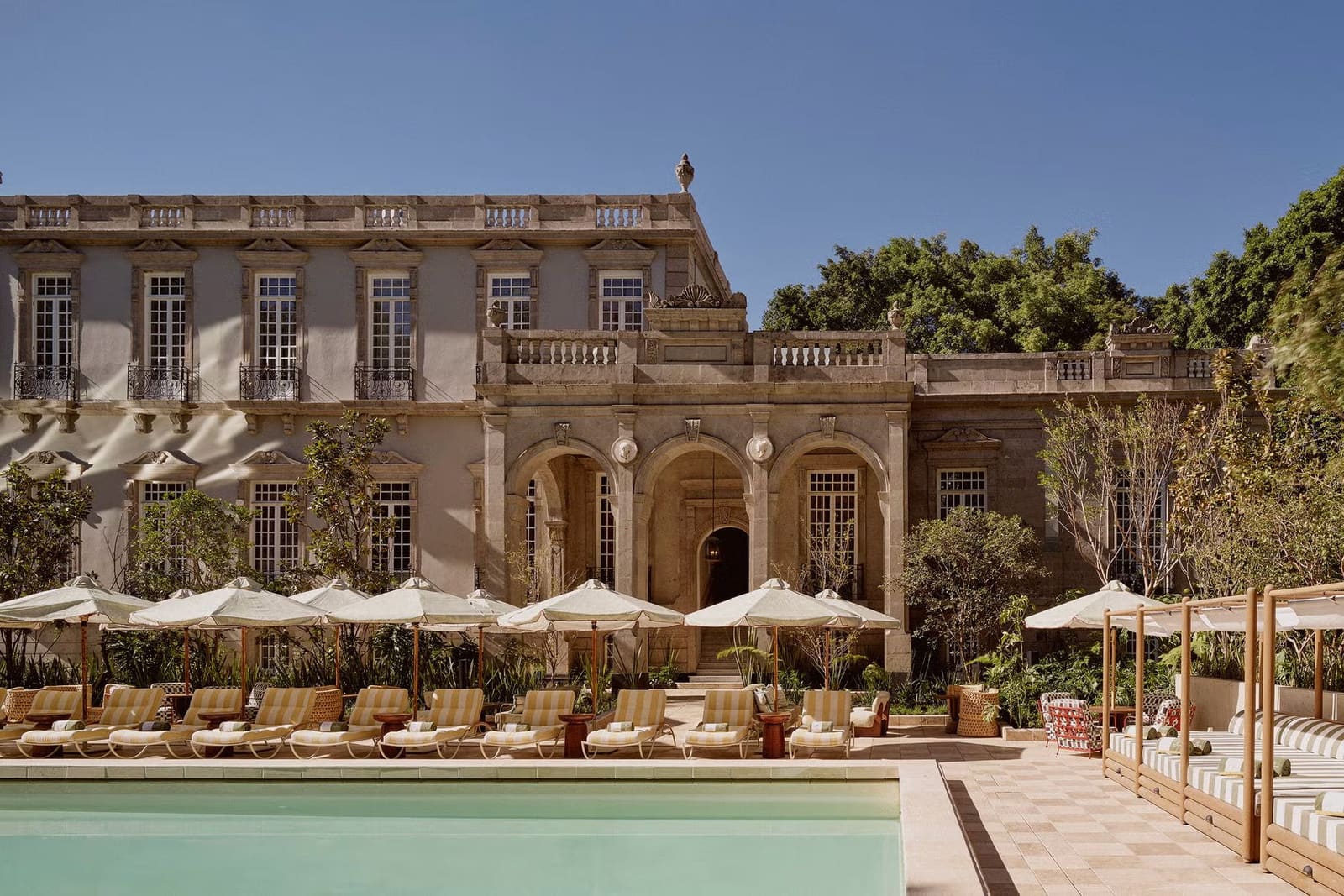
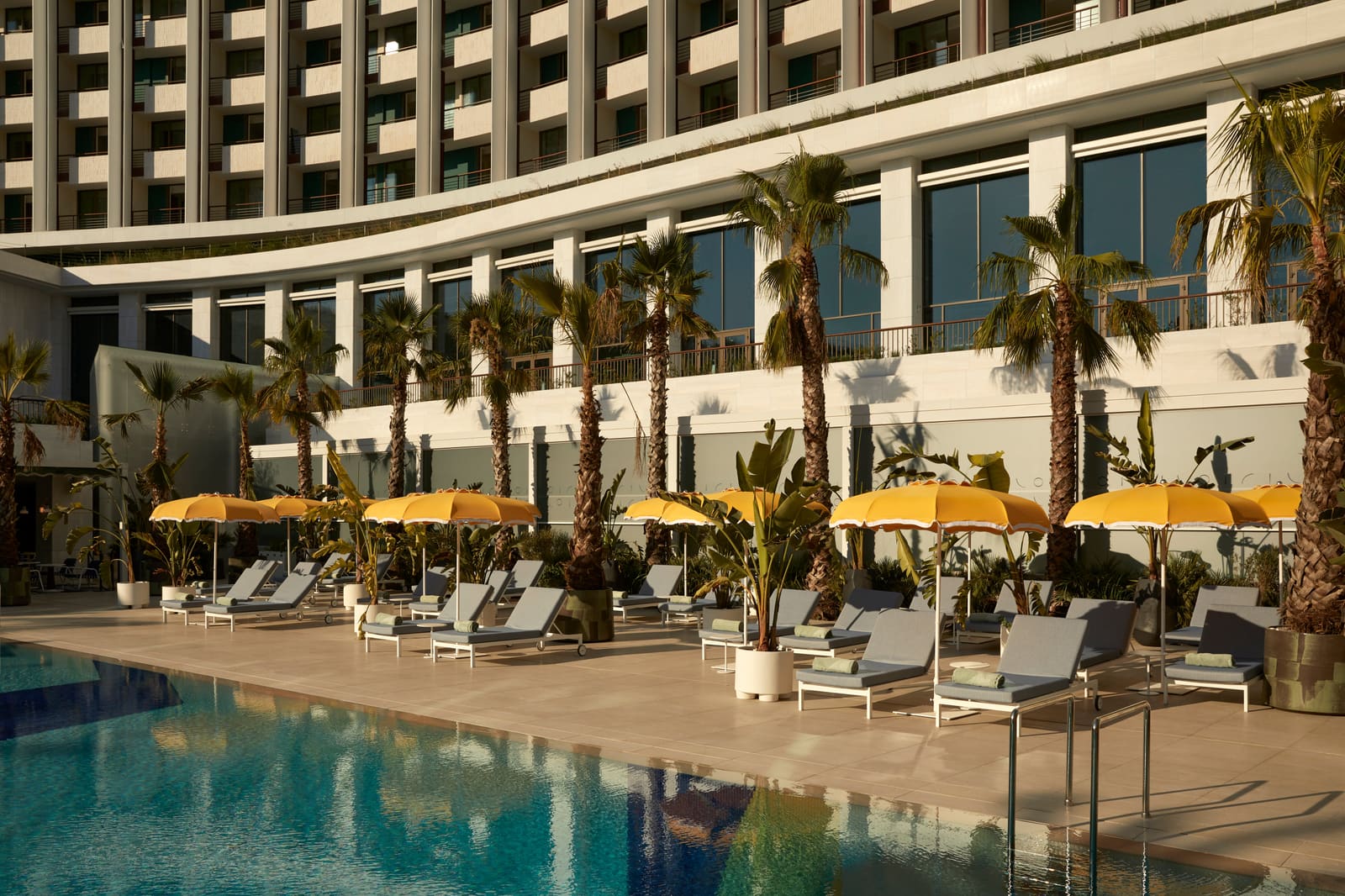
Credit: Soho House Mexico City
Spot something wrong? Email editors@globalchicvoyage.com. We log every correction publicly.
RELATED
SEE ALL →
14 Jul 2026 / 5 min
18 Jul 2026 / 5 min
13 Jul 2026 / 5 min
10 Jul 2026 / 5 min