
Inside the Sabi Sands Lodge That Redefined Safari Luxury
Lion Sands Ivory Lodge marries wildlife immersion with architectural restraint, proving that the finest safari experiences unfold in silence, not spectacle.
SI
31 Jul 2026 · 5 MIN READ · UPDATED 17 AUG 2026
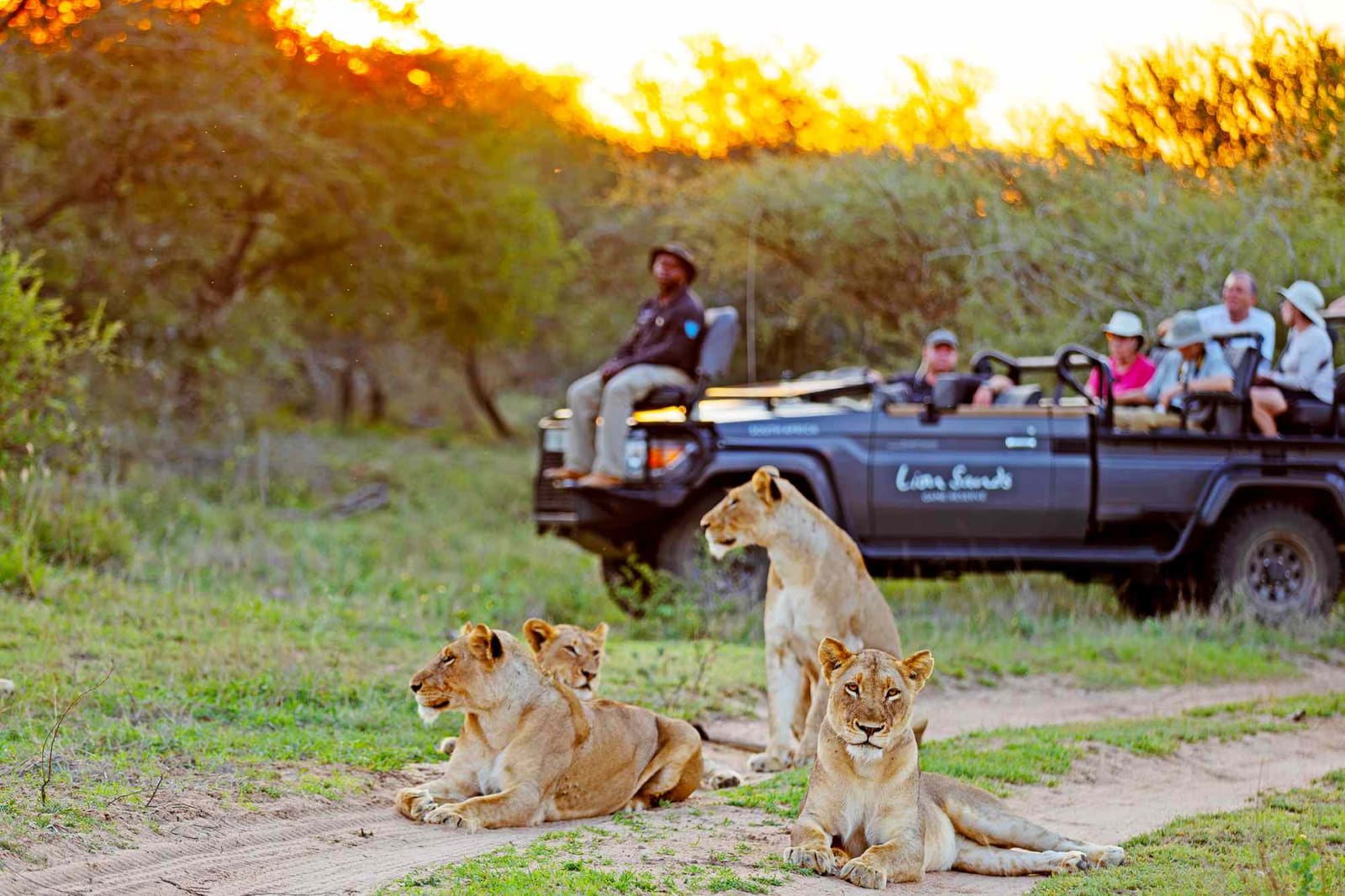
The Architecture of Restraint
The Sabie River curves through the landscape like a question mark, and Lion Sands Ivory Lodge answers it with architecture that disappears into the fever-tree canopy. At Global Chic Voyage, we've watched safari lodges grow increasingly theatrical in recent years, competing with infinity pools and Instagram angles, but Ivory Lodge pursues a different calculus. Its nine suites occupy a strip of riverine forest in the Sabi Sands Game Reserve, each structure elevated on stilts to preserve the root systems below and frame uninterrupted views of the water where elephants come to drink at dusk.
The design language here is one of subtraction. Walls fold away entirely, collapsing the boundary between sleeping quarters and wilderness. Teak decking extends from plunge pools in seamless planes, and the only mirrors are small, deliberately placed to avoid reflecting the bush back at itself. It is architecture that knows when to stop.
Wildlife on Its Own Terms
What distinguishes this corner of Sabi Sands is not infrastructure but ecology. The reserve shares an unfenced border with Kruger National Park, creating a contiguous habitat where apex predators move freely and sightings follow the logic of animal behavior rather than tourist schedules. During our visits, guides have tracked leopards by interpreting alarm calls from francolins, located lion prides by reading vulture flight patterns, and waited in silence as a coalition of male cheetahs passed within meters of the vehicle.
The lodge's approach to game drives reflects this ecological intimacy. Departures happen before sunrise, when nocturnal species are still active and diurnal animals begin their routines. Guides here are trained naturalists, many holding field guide certifications that require years of study, and they narrate the landscape in terms of relationships: how termite mounds anchor entire food webs, how oxpeckers and buffalo maintain symbiosis, how seasonal rainfall dictates herbivore migration and, consequently, predator distribution.
The Ritual of Sundowners
Sunset at Ivory Lodge follows a ritual that has become synonymous with safari luxury but is executed here with uncommon attention to setting. Vehicles pause on granite outcrops or riverbanks, and staff materialize with folding tables, glassware, and gin distilled in the Cape. The drink itself is secondary to the hour, that brief window when the light turns amber and the temperature drops and the bush exhales.
We have returned to this property multiple times, and the sundowner stops are never repeated. Each evening unfolds in a different clearing, chosen for its prospect or its proximity to recent animal activity. On one visit, we watched a herd of buffalo cross the Sabie as the sky deepened to violet. On another, a martial eagle perched in a leadwood tree, backlit by the setting sun, its silhouette sharp against the fading blue.
Cuisine Informed by Place
The lodge's culinary program draws on Southern African ingredients and techniques, though it stops short of the "bush-to-table" rhetoric that has become fashionable elsewhere. Meals are served in the main pavilion or in the boma, an open-air enclosure ringed by lanterns, and the menu shifts with seasonal availability. Impala carpaccio appears alongside line-caught fish from the Indian Ocean; indigenous herbs like wild rosemary and African wormwood accent sauces; and desserts incorporate marula fruit and rooibos.
What registers most strongly is the quality of produce rather than culinary pyrotechnics. Vegetables arrive from farms in Mpumalanga, bread is baked on-site each morning, and wines come from estates in Stellenbosch and Franschhoek. The cooking is confident and unfussy, designed to satisfy guests who have spent hours in open vehicles and return to the lodge ravenous.
The Question of Recognition
Lion Sands Ivory Lodge has earned accolades in multiple hospitality surveys, most recently topping rankings for safari properties across the African continent. Such recognition is both validation and complication. It confirms what returning guests have long understood about the property's calibration of luxury and wilderness access, but it also risks altering the atmosphere that made the lodge distinctive in the first place.
We have observed this pattern before: a property gains prominence, bookings surge, and the subtle textures that defined the experience begin to erode. Whether Ivory Lodge can maintain its character under increased attention remains an open question. For now, the lodge continues to cap occupancy at eighteen guests, a constraint that preserves the sense of exclusivity and ensures that game drives remain intimate rather than convoy-style processions.
Why This Model Endures
The safari lodge as a typology has evolved considerably over the past two decades, absorbing influences from wellness retreats, boutique hotels, and even private aviation. Yet the properties that endure are those that resist the impulse to over-design, that trust the landscape to provide drama and limit their own interventions to comfort and access.
Ivory Lodge operates within this philosophy. It does not compete with the wilderness; it frames it. The suites are luxurious by any standard, with rainfall showers, air conditioning, and linens that rival five-star hotels in European capitals, but these amenities recede into the background the moment an elephant appears on the opposite bank or a lion's roar echoes across the water at midnight.
The Broader Sabi Sands Context
Understanding Ivory Lodge requires situating it within the Sabi Sands ecosystem, a 65,000-hectare private reserve that has become synonymous with leopard density and sustainable tourism. The reserve operates under a share-block system, with individual lodges holding traversing rights across vast tracts of land, and this cooperative model has proven remarkably effective at balancing conservation and commerce.
Photographic safaris generate revenue that funds anti-poaching units, habitat restoration, and community development programs in surrounding areas. Guests at Ivory Lodge indirectly support these initiatives through accommodation fees, and the lodge itself employs staff from nearby villages, creating economic linkages that extend beyond the reserve's boundaries.
A Closing Thought
We return to certain properties not because they surprise us but because they remain consistent in their excellence, because they understand what they are and resist the pressure to become something else. Lion Sands Ivory Lodge occupies this category. It is not the most opulent safari lodge in Africa, nor the most remote, nor the most architecturally audacious. It is, instead, a place where the essential elements of a safari experience - proximity to wildlife, comfort without excess, and guides who read the land with fluency - are maintained at an exceptionally high standard.
The accolades will fade, as accolades do, but the fever trees along the Sabie will remain, and the elephants will continue their evening pilgrimages to the river, and the lodge will still be there, elevated above the forest floor, waiting for guests who understand that luxury, in this context, means stepping back and letting the wilderness fill the frame.
Credit: Lion Sands Game Reserve
Spot something wrong? Email editors@globalchicvoyage.com. We log every correction publicly.
RELATED
SEE ALL →
16 Jun 2026 / 5 min
29 Jul 2026 / 5 min
27 Jul 2026 / 5 min
8 Aug 2026 / 5 min