
The Shifting Geography of a French Delicacy
How industrial-scale farming in China is redrawing the map of foie gras production - and what it means for tradition, taste, and the future of luxury food.
ML
14 Jul 2026 · 5 MIN READ · UPDATED 17 AUG 2026
A Tradition Under Pressure
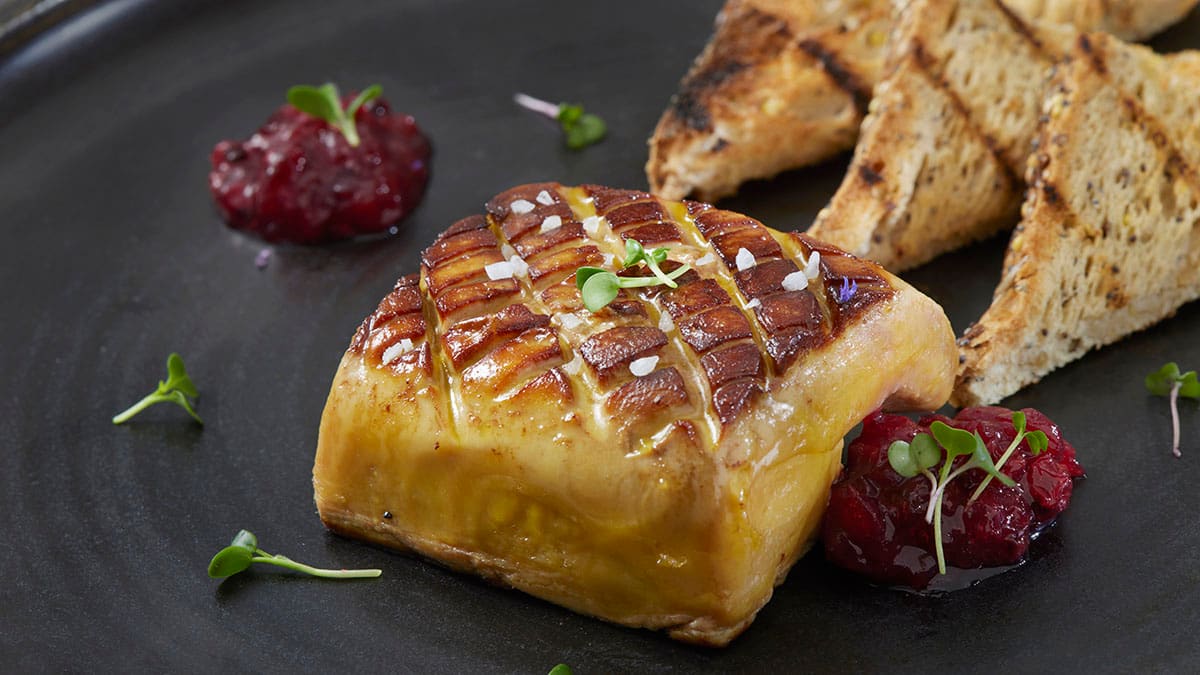
There is something quietly seismic about watching a culinary tradition slip from its moorings. For generations, foie gras has been synonymous with France - with the Périgord countryside, with stone farmhouses where geese waddle through autumn mist, with a particular understanding of richness and restraint that feels inseparable from Gallic soil. Yet the geography of this delicacy is being redrawn, not by chefs or connoisseurs, but by the logic of scale and state-backed investment half a world away.
At Global Chic Voyage, we've long tracked the way luxury food moves through global markets, and foie gras offers a particularly revealing case study. What happens when an item defined by place and craft becomes a commodity shaped by industrial efficiency? The answer is unfolding now, in ways that challenge our assumptions about authenticity, quality, and the very nature of culinary heritage.
The Numbers Tell a Story
In 2025, China produced approximately 14,000 tons of foie gras, marking a thirty percent increase from the previous year, according to Reuters. France, meanwhile, saw output fall slightly to just over 15,000 tons. The gap is narrowing rapidly, and China now accounts for nearly half of the global supply. These are not marginal shifts - they represent a fundamental reordering of production capacity.
The scale of individual Chinese operations dwarfs what exists in France. Mid-sized producers in China are projecting outputs of 500 tons annually, while the average French farmer produces closer to ten tons. This disparity is not merely about ambition; it reflects different philosophies of production entirely. French foie gras remains largely artisanal, tied to small farms and regional methods. Chinese production, by contrast, has been industrialized from the outset, with state subsidies encouraging the development of large-scale facilities designed to drive down costs and increase accessibility.
A Different Kind of Luxury
The result is a product that occupies a different place in the culinary landscape. In China, foie gras is not sequestered in fine-dining temples or reserved for special occasions. It appears in fried rice, dips into hot pots, and even finds its way into ice cream. This democratization of a once-rarefied ingredient speaks to a broader trend we've observed across Asia: the willingness to adapt Western luxury foods into vernacular cuisine, to strip them of their ceremonial trappings and make them everyday pleasures.
There is something both liberating and unsettling about this shift. On one hand, it expands access and invites creative reinterpretation. On the other, it severs the ingredient from the context that once gave it meaning. French foie gras carries with it centuries of culinary philosophy - ideas about balance, seasonality, the relationship between farmer and land. Chinese foie gras, produced at industrial scale and priced at half the cost of its French counterpart, operates according to a different set of values: efficiency, volume, and adaptability.
The Specter of Caviar
This trajectory is not without precedent. China has already transformed the global caviar market, building industrial sturgeon farms that now dominate production. The quality has proven high enough to win over exacting palates - Thomas Keller, among others, sources caviar from Chinese farms for his own label. What once seemed unthinkable - that China could rival the Caspian in producing one of the world's most storied luxury foods - is now accepted reality.
Foie gras appears poised to follow a similar path, though the road ahead is more complex. European Union regulators are already preparing import barriers, including labeling rules designed to prevent Chinese producers from positioning their product as European. These protections speak to anxiety about more than market share; they reflect a deeper concern about what happens when a food so tied to regional identity becomes unmoored from place.
The Ethics Question Looms Larger
Yet even as Chinese producers eye global expansion - selling into markets like Dubai and Macao, and eyeing opportunities beyond - they face obstacles that have nothing to do with quality or scale. Animal-rights activism has cast a long shadow over foie gras in the West, with bans and restrictions proliferating across North America. New York City's prohibition remains tangled in legal challenges, while California's regulations effectively bar restaurants from serving it, even as individuals can purchase it for private consumption.
These ethical concerns complicate any narrative about Chinese foie gras flooding Western markets. The ingredient itself is contested, and that contestation may prove a more formidable barrier than any tariff or labeling rule. For Chinese producers hoping to replicate their caviar success, the path forward is uncertain.
What We Lose, What We Gain
At Global Chic Voyage, we've always believed that food tells stories about how we live, what we value, and how those values shift across time and geography. The rise of Chinese foie gras is not simply a tale of market disruption; it is a meditation on the tension between tradition and innovation, between craft and scale, between the particular and the universal.
There is undeniable loss in watching a food become untethered from its origins. The French model of foie gras production - small, regional, deeply embedded in local culture - represents a way of thinking about food that feels increasingly fragile in a globalized economy. Yet there is also something compelling about the Chinese approach: the willingness to experiment, to adapt, to make luxury accessible in new ways.
The question is not whether one model is superior, but what kind of culinary world we want to inhabit. Do we value the preservation of tradition, even when it limits access and maintains high prices? Or do we embrace democratization, even when it means sacrificing the context that once made an ingredient meaningful? The answer, as with most things, is likely somewhere in between - a hybrid future where both approaches coexist, each serving different appetites and aspirations.
The Future on a Plate
What seems certain is that the foie gras landscape will look markedly different a decade from now. French producers will continue to emphasize heritage and artisanal methods, positioning their product as the authentic expression of a storied tradition. Chinese producers will leverage scale and price, reaching consumers who might never have considered foie gras accessible. And somewhere in that divide, new culinary possibilities will emerge - fusions, reinterpretations, and applications we cannot yet imagine.
For travelers and food lovers, the shift invites a recalibration of expectations. Encountering foie gras in a Shanghai hot pot restaurant or a Dubai fusion bistro need not feel like betrayal or dilution. It can be understood instead as evidence of how food moves through the world, adapting and evolving, carrying traces of its origins while acquiring new meanings in new contexts.
The geography of luxury is always in motion. What matters is not clinging to static definitions, but remaining curious about where the journey leads - and what we discover along the way.
Photo: Getty Images
Spot something wrong? Email editors@globalchicvoyage.com. We log every correction publicly.
RELATED
SEE ALL →
8 Aug 2026 / 5 min

8 Aug 2026 / 5 min

7 Aug 2026 / 5 min
31 Jul 2026 / 5 min