
Where to Eat in Montreal Right Now
From smokehouses to Chinatown stalwarts, a curated journey through the city's most compelling tables
SI
31 Jul 2026 · 5 MIN READ · UPDATED 17 AUG 2026
A City Built on Culinary Collision
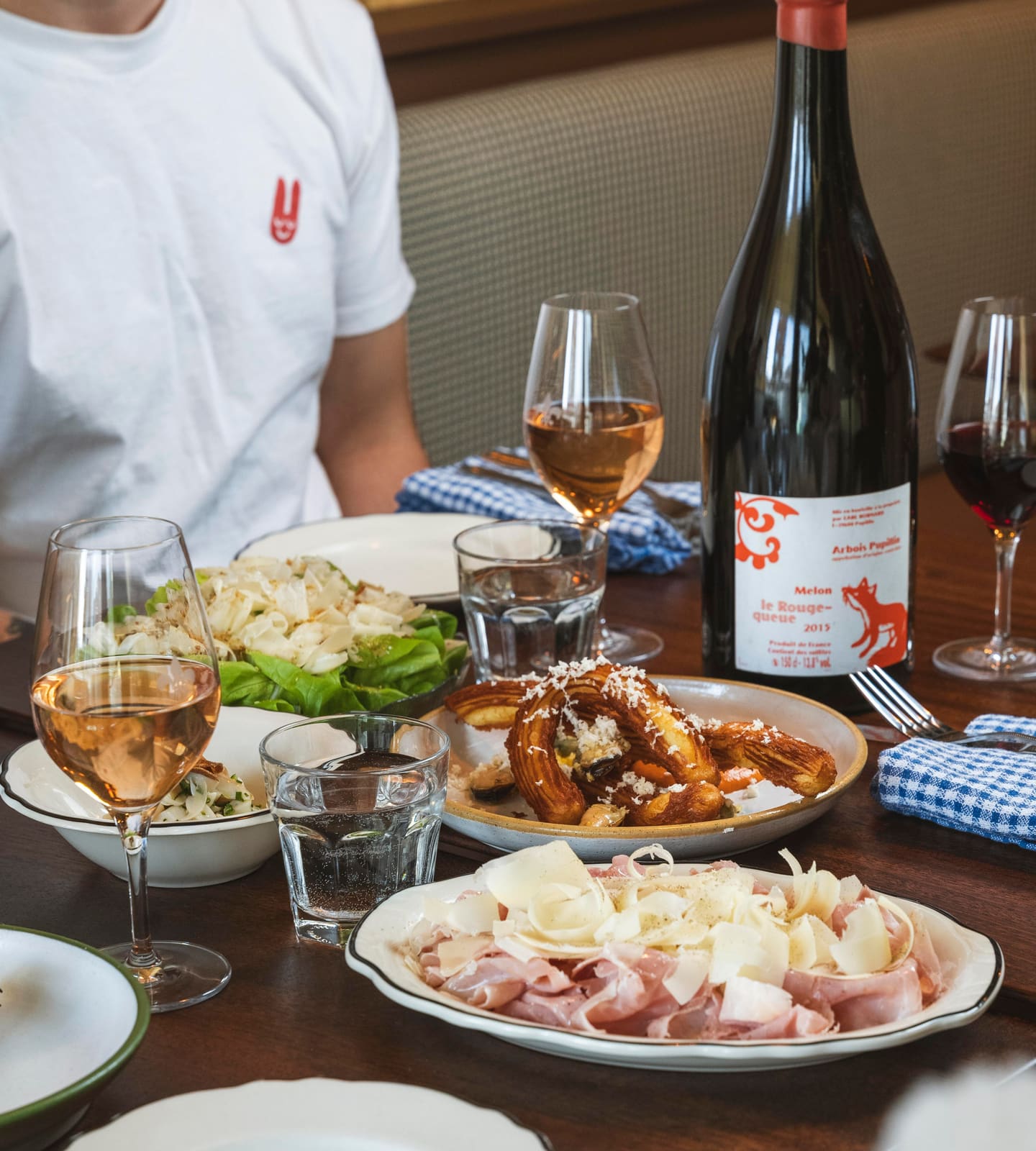
There's a particular corner in Montreal where the air smells simultaneously of smoked meat, Lebanese garlic sauce, and fresh croissants. It's not an anomaly. Walk three blocks in any direction and you'll find Haitian griot next to Vietnamese bánh mì, Italian espresso across from a poutinerie, Jewish deli culture living comfortably beside French bistro tradition. At Global Chic Voyage, we've watched this city's food landscape evolve not through singular vision but through productive collision, where immigrant communities, homegrown talent, and culinary traditions from every continent create something that belongs only to Montreal.
The city's dining personality resists easy categorization. This is a place where rooftop greenhouses supply restaurants blocks away, where urban farms have made Montreal a global leader in agricultural innovation within city limits, and where public markets anchor neighborhoods the way cathedrals once did. Techniques imported from elsewhere adapt to local ingredients; traditions get both honored and playfully subverted. No single influence dominates, which is precisely what makes the eating here so dynamic.
What follows is a curated selection of tables that matter right now, drawn from six years of continuous observation and refinement. These are the restaurants driving conversations, the generational institutions that define neighborhoods, and the newer arrivals reshaping expectations. They span price points, cuisines, and ambitions, but share a common thread: each one tells you something essential about how Montreal eats today.
The New Guard
Aylwin Deli & Barbecue has turned heads at Atwater Market with a two-part operation that treats smoke as both craft and religion. The deli counter offers takeaway provisions; the barbecue side runs proper low-and-slow technique on Quebec-raised meats. It's the kind of place where technique matters as much as sourcing, where the marriage of Jewish deli tradition and Southern barbecue sensibility feels less like fusion and more like inevitable evolution.
Bruce arrived recently with an unusual proposition: Scottish cuisine rendered with the kind of attention Montreal usually reserves for French or Italian cooking. The response has been enthusiastic, which speaks to the city's willingness to embrace culinary traditions often overlooked. Expect game, root vegetables treated with respect, and a whisky list that reads like a geography lesson.
In Chinatown, Dobe & Andy upholds multiple generations of barbecue meat legacy. The space is modest, the menu focused, the execution precise. This is the kind of restaurant that reminds you that longevity in Montreal requires more than novelty; it demands consistency, respect for tradition, and an understanding that some techniques don't need reinvention.
Pichai has quietly become the city's most compelling destination for Thai cooking that doesn't apologize for heat. The spice levels here are calibrated for those who want the full spectrum of flavor, not a muted version designed for timid palates. Curries, stir-fries, and salads arrive with the kind of balance between sweet, sour, salty, and spicy that defines great Thai cooking.
Understanding the Terrain
A note for visitors: Montreal's food vocabulary carries its own logic. Order an "entrée" and you'll receive a starter, not a main course. This linguistic quirk is a small reminder that the city operates on its own terms, blending French structure with North American informality.
The pricing landscape ranges widely. You'll find exceptional meals where dishes stay well under ten dollars, often at markets or neighborhood spots that prioritize volume and accessibility. At the other end, restaurants where mains exceed thirty dollars tend to offer either rarified technique, exceptional sourcing, or both. The middle ground is rich with options: bistros, trattorias, and contemporary spots where fifteen to twenty-five dollars buys you a thoughtfully composed plate.
Natural wine has become nearly ubiquitous, a reflection of Montreal's embrace of low-intervention winemaking and its growing network of importers who specialize in small producers. Even casual restaurants often feature lists that lean toward organic, biodynamic, or natural wines, a shift that has happened gradually over the past decade and now feels like the default rather than the exception.
The Institutions
No honest accounting of Montreal's dining landscape can ignore its generational anchors. These are restaurants that have shaped the city's food identity, places where multiple generations have gathered, where recipes have remained largely unchanged not out of stubbornness but because they got it right the first time.
The city's Jewish delis represent a particular strain of culinary preservation. Smoked meat, prepared through multi-day brining and smoking processes, arrives sliced by hand, piled high on rye, accompanied by pickles and mustard. These institutions don't chase trends; they maintain standards established decades ago, and the lines out the door suggest that approach still resonates.
French-leaning restaurants, particularly those focusing on meat, remain central to Montreal's self-image. This is where Quebec's agricultural heritage meets classical technique: beef from local farms, game from nearby forests, preparations that honor both ingredient and tradition. The wine lists tend toward French appellations, the service formal without being stiff, the atmosphere convivial in that particular way Montreal does well, where elegance doesn't preclude warmth.
Italian cooking in Montreal carries the imprint of multiple waves of immigration, from early twentieth-century arrivals to more recent transplants. The result is a spectrum that ranges from red-sauce classics to contemporary interpretations, from pizza by the slice to tasting menus built around handmade pasta. What unites them is a commitment to ingredient quality and a certain generosity of spirit that defines Italian hospitality.
Neighborhoods as Culinary Corridors
Montreal's dining scene maps closely onto its neighborhood structure. Mile End remains a hub for cafés, bakeries, and restaurants that balance innovation with approachability. The Plateau offers density and variety, from Vietnamese soup shops to contemporary bistros. Old Montreal caters to both tourists and locals who appreciate its concentration of higher-end dining. Chinatown, though compact, punches above its weight with longstanding institutions and newer arrivals that respect the area's heritage.
Little Italy still centers around its public market, where seasonal produce, local cheeses, and prepared foods draw crowds year-round. The surrounding blocks offer Italian bakeries, cafés, and restaurants that range from traditional to contemporary. Verdun and Saint-Henri, once overlooked, now host some of the city's most interesting newer openings, spaces where younger chefs can afford to take risks and where neighborhood loyalty can sustain a restaurant through its early years.
The public markets, particularly Jean-Talon and Atwater, function as more than shopping destinations. They're social infrastructure, places where farmers, producers, and prepared-food vendors create temporary communities. Many of the city's best chefs shop there multiple times per week, building menus around what's available rather than what's planned.
The Lebanese and Haitian Threads
Lebanese cuisine has woven itself deeply into Montreal's fabric. Garlic sauce, shawarma, and fattoush are as familiar to locals as poutine. The city's Lebanese restaurants range from quick-service spots to sit-down establishments where mezze platters become communal rituals. The cooking tends toward generous portions, bold flavors, and a hospitality that treats strangers like returning friends.
Haitian food, particularly griot and pikliz, has gained visibility over the past decade, though the community's presence in Montreal stretches back generations. The cooking showcases technique: pork marinated and fried until the exterior shatters, cabbage fermented with Scotch bonnet heat, rice and beans cooked with careful attention to texture. These are flavors that don't compromise, food that reflects both pride and resilience.
Poutine as Cultural Touchstone
No discussion of Montreal dining can sidestep poutine. The dish, in its purest form, consists of fries, cheese curds, and gravy. What seems simple on paper requires careful execution: fries with the right crisp-to-fluff ratio, curds that squeak, gravy hot enough to partially melt the cheese without turning everything to mush. Variations abound, some inspired, others misguided, but the classic version remains the standard by which all others are judged.
Poutine operates as both comfort food and cultural marker. It's what you eat late at night, what you crave after too many drinks, what locals defend fiercely against outsiders who attempt subpar versions. The best poutineries understand that the dish is greater than the sum of its parts, that timing and temperature matter as much as ingredient quality.
The Urban Agriculture Advantage
Montreal's status as a leader in urban agriculture directly impacts its dining scene. Rooftop greenhouses supply restaurants with produce grown blocks away. Urban farms cultivate vegetables, herbs, and even mushrooms within city limits. This proximity between farm and table means chefs can harvest in the morning and serve that evening, a luxury usually reserved for rural areas.
The environmental benefits are obvious, but the culinary advantages matter just as much. Ingredients arrive at peak freshness, varieties can be chosen for flavor rather than shelf life, and the connection between grower and chef allows for collaboration. A chef can request a specific herb or vegetable; a farmer can suggest something unexpected. This dialogue shapes menus in real time, creating a responsiveness that defines much of Montreal's contemporary cooking.
What Makes a Montreal Restaurant
After years of observation, certain patterns emerge. The restaurants that endure in Montreal share particular qualities. They respect ingredients without fetishizing them. They understand that hospitality means making people feel welcome, not performing exclusivity. They adapt to seasons, to neighborhood rhythms, to the reality that Montreal winters require a different approach than Montreal summers.
The best Montreal restaurants also understand their role within a broader ecosystem. They support local producers, employ neighborhood residents, contribute to the social fabric of their blocks. They're embedded rather than imposed, evolved rather than imported wholesale. This isn't unique to Montreal, but it's particularly pronounced here, where community ties and food culture remain tightly linked.
The Evolving List
Any dining guide risks obsolescence the moment it's published. Restaurants close, chefs move on, neighborhoods shift. What matters is the framework: understanding what makes Montreal's dining scene distinctive, recognizing the forces that shape it, appreciating the tension between preservation and innovation that defines so much of the city's culinary identity.
The tables that matter today may not be the same ones that matter next year, but the underlying principles remain constant. Look for places where technique meets intention, where hospitality feels genuine, where the food reflects both tradition and the willingness to challenge it. Montreal rewards curiosity, punishes pretension, and offers enough culinary diversity that you could eat here for years without exhausting the possibilities. That's the real story, more compelling than any single restaurant: a city where food cultures collide, coexist, and create something that belongs nowhere else.
Credit: Two Food Photographers
Spot something wrong? Email editors@globalchicvoyage.com. We log every correction publicly.
RELATED
SEE ALL →
21 Jul 2026 / 5 min
8 Aug 2026 / 5 min

7 Aug 2026 / 5 min

30 Jul 2026 / 5 min