
Where the Fairway Meets the Shore: Florida's Most Elegant Golf Retreats
From championship greens to oceanfront tranquility, these resorts redefine the American golf escape
CG
30 Jul 2026 · 5 MIN READ · UPDATED 17 AUG 2026
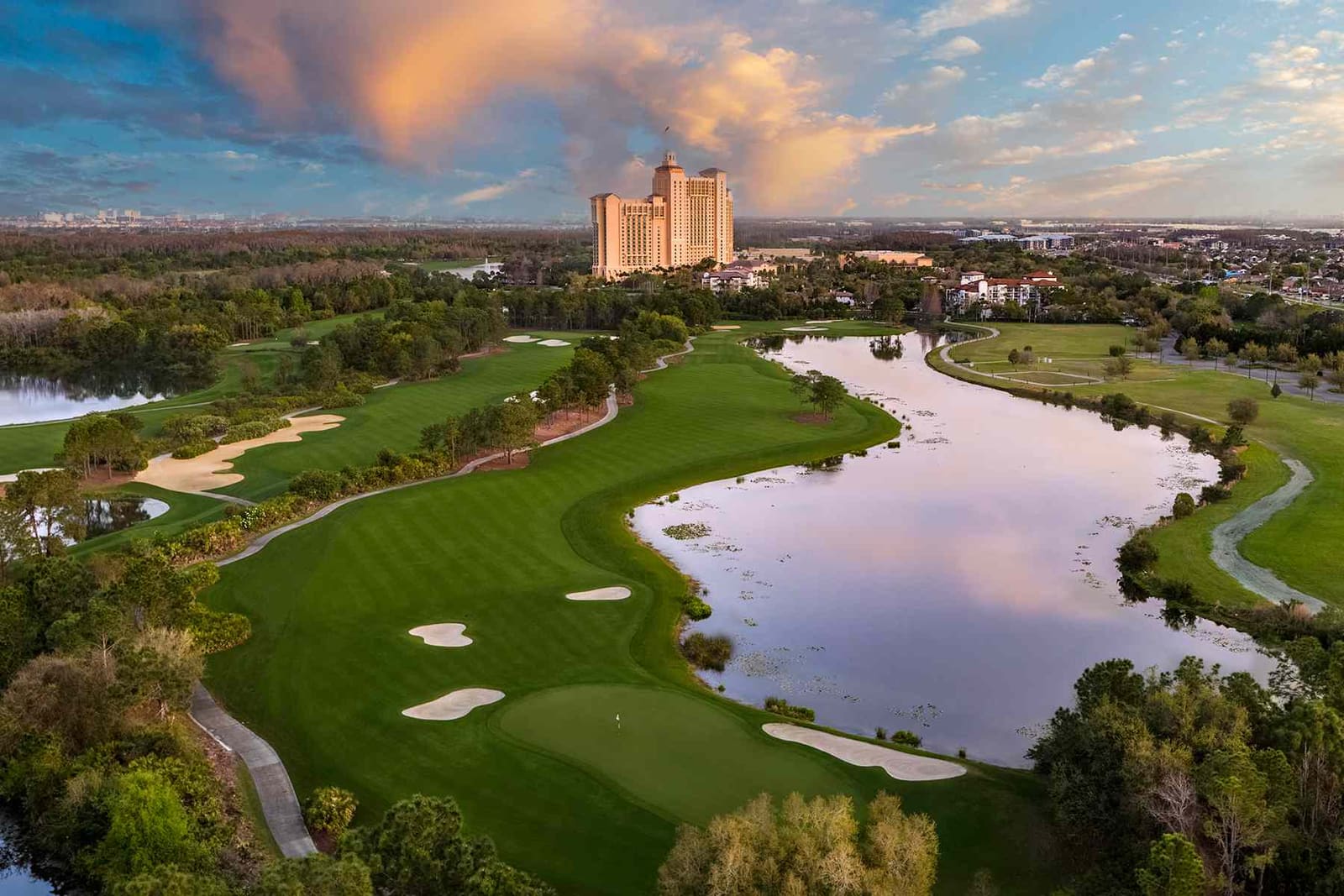
The Art of the Southern Golf Escape
There is a particular quality to early morning on a Florida golf course: the way mist rises from water hazards, how the first sunlight catches dew on manicured fairways, the quiet broken only by the distant call of herons. At Global Chic Voyage, we've watched the state's golf resort landscape evolve from straightforward links destinations into something far more layered, places where the game itself becomes one thread in a broader tapestry of wellness, culinary ambition, and coastal luxury.
The resorts we return to year after year understand that today's discerning traveler seeks more than a challenging round. They want the post-game massage that unknots shoulders, the beachfront sunset that follows eighteen holes, the kind of seamless hospitality that makes a four-day stay feel like a month-long reset. Florida, with its year-round playability and geographic diversity, has risen to meet this expectation with particular grace.
The New Geography of Golf Luxury
Florida's golf resort corridor stretches from the Atlantic shores of the northeast through the theme-park-adjacent landscapes of Central Florida down to the Gulf Coast's quieter rhythms. Each region offers its own character. The resorts near St. Augustine carry a certain historical weight, their architecture nodding to Spanish colonial roots even as their courses embrace modern design philosophy. Orlando's properties, meanwhile, balance proximity to family attractions with adult-focused sanctuaries, carving out quiet within the bustle.
What unites the state's premier golf destinations is an understanding that the course is no longer enough. The best properties weave together multiple experiences: a Tom Fazio-designed eighteen complemented by a spa that draws on local botanicals, dining programs that showcase Gulf seafood and Floridian citrus, beach clubs that provide post-round saltwater therapy. This integration feels less like amenity-stacking and more like thoughtful curation, each element enhancing the others.
The championship courses themselves reflect decades of design evolution. Where older Florida layouts often prioritized punishing difficulty, contemporary architects have embraced strategic variety, creating courses that challenge scratch players while remaining navigable for higher handicaps. Water features, once merely hazards, now serve aesthetic and ecological functions, supporting native bird populations and creating memorable visual drama.
Where Wellness Meets the Nineteenth Hole
The spa programs at Florida's leading golf resorts have moved well beyond standard massage menus. We've seen properties develop treatments specifically for golfers: targeted bodywork for shoulders and lower backs, hydrotherapy sequences designed for post-round recovery, even nutritional consultations that address performance and endurance.
This focus on holistic wellness extends to culinary offerings. Clubhouse dining has shed its country-club formality in favor of menus that balance indulgence with lighter, produce-forward options. Breakfast before an early tee time might feature açai bowls alongside traditional fare; post-round lunches lean into fresh catches and seasonal vegetables. Several resorts now employ resident nutritionists who work with executive chefs to create menus that support both enjoyment and vitality.
The integration of fitness amenities also reflects changing expectations. Beyond standard hotel gyms, top properties offer yoga pavilions, guided trail runs through surrounding landscapes, and movement classes tailored to improve golf performance. This programming acknowledges that serious golfers increasingly view their sport within a broader wellness framework, not as separate from it.
Coastal Proximity and the Art of Transition
Perhaps the most distinctive feature of Florida's elite golf resorts is their relationship with water, not just the hazards on the course but the ocean or gulf nearby. The ability to transition from fairway to beach, from the concentration required by the game to the expansive ease of coastal lounging, creates a particular kind of vacation rhythm.
We've found that this proximity reshapes the daily cadence. A morning round followed by a beach afternoon feels balanced in a way that back-to-back golf days sometimes don't. The salt air and horizontal line of the sea provide psychological counterpoint to the course's verticality and structure. Several properties have formalized this with beach clubs that offer dedicated service, water sports equipment, and shaded retreats designed with the same attention as their golf facilities.
The coastal setting also influences architectural and design choices. Resorts increasingly embrace open-air spaces, blurring interior and exterior boundaries. Lobbies flow onto terraces, restaurant walls disappear into gardens, guest rooms feature expansive balconies that become de facto living spaces. This openness suits Florida's climate and reinforces the sense of being in a distinct place, not a hermetically sealed resort that could exist anywhere.
The Social Architecture of Modern Golf Travel
Golf has always carried social dimensions, but the way resorts facilitate connection has become more intentional. The best properties create spaces and programs that allow guests to engage as much or as little as they wish. Communal fire pits, wine-tasting events, and group clinics with resident pros offer opportunities for interaction, while private villa accommodations and secluded spa areas ensure solitude remains available.
This balance matters particularly for multi-generational travel or groups with varying golf abilities. Non-golfing partners and family members need their own compelling programming. Forward-thinking resorts address this with activities that stand independent of the course: art classes, nature walks led by local naturalists, cooking demonstrations, kids' clubs that go beyond basic childcare to offer genuine educational enrichment.
The social spaces themselves reflect evolving design sensibilities. Where traditional clubhouses emphasized wood paneling and formal dining rooms, newer facilities favor lighter palettes, flexible spaces that transition from morning coffee to evening cocktails, and outdoor areas that take advantage of Florida's climate. These environments feel less exclusive in the old sense and more inclusive, welcoming to women, younger players, and families in ways that golf's institutional spaces haven't always been.
The Long Game: Sustainability and Stewardship
Florida's golf resorts increasingly grapple with environmental responsibility, a particularly acute concern given the state's ecological sensitivity and climate vulnerability. Water management, always central to golf course maintenance in Florida, has become more sophisticated. Leading properties employ reclaimed water for irrigation, native grasses that require less chemical intervention, and drainage systems designed to protect surrounding wetlands.
Several resorts have achieved Audubon International certification, a rigorous process that addresses everything from pesticide use to wildlife habitat protection. These efforts extend beyond the course itself. Properties are reducing single-use plastics, implementing comprehensive recycling and composting programs, and sourcing food locally to reduce carbon footprints.
This environmental consciousness resonates with guests who view travel choices through a sustainability lens. It also represents practical long-term thinking. Resorts that protect the natural systems that make their locations attractive, that build resilience against sea-level rise and storm intensity, are positioning themselves for decades of operation rather than short-term returns.
The Invitation to Return
What makes a golf resort worth revisiting? Technical excellence matters: courses that remain interesting after multiple plays, service that anticipates needs without intrusion, accommodations that balance luxury with genuine comfort. But the properties we find ourselves recommending most often possess something less quantifiable, a quality of place that lingers after checkout.
It might be the specific light through the pines on the seventh hole, the way a particular bartender remembers your preference, the morning ritual of coffee on a terrace overlooking the first tee. Florida's finest golf resorts understand that they're not just selling rounds and room nights. They're offering a temporary home, a respite with its own rhythms and rituals, a place where the game provides structure but not limits, where the vacation extends in all directions from the nineteenth hole.
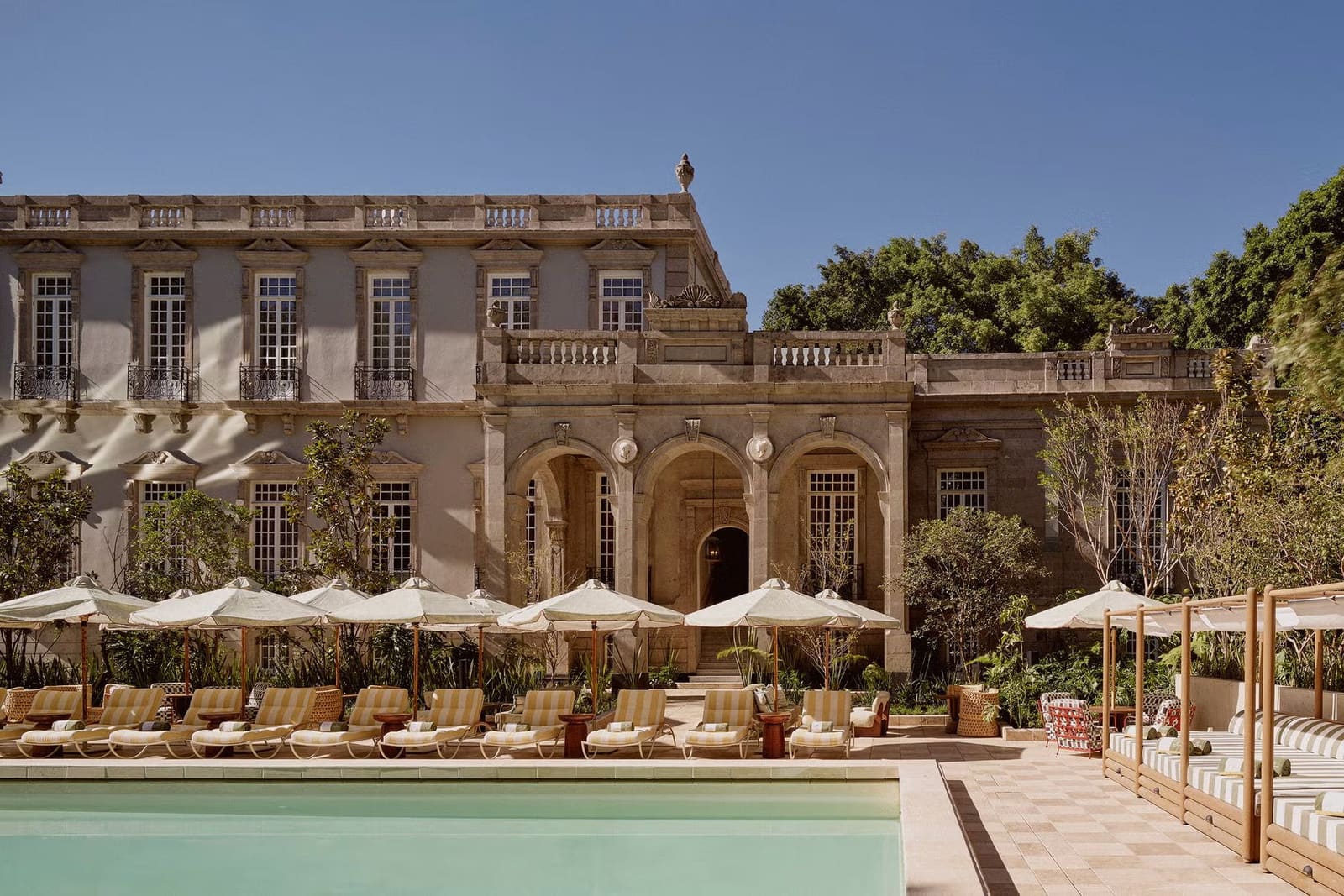
Credit: Ritz-Carlton Golf Club, Orlando Grande Lakes
Spot something wrong? Email editors@globalchicvoyage.com. We log every correction publicly.
RELATED
SEE ALL →
17 Jul 2026 / 5 min
17 Jul 2026 / 5 min
27 Jun 2026 / 5 min
8 Aug 2026 / 5 min