
The Central Mexican City Where Independence Was Plotted and Gorditas Are an Art Form
Santiago de Querétaro offers cobblestone plazas, baroque churches, and a culinary scene that rivals its revolutionary past - all without the tourist crush of Mexico's more famous capitals.
SI
16 Jun 2026 · 5 MIN READ · UPDATED 17 AUG 2026
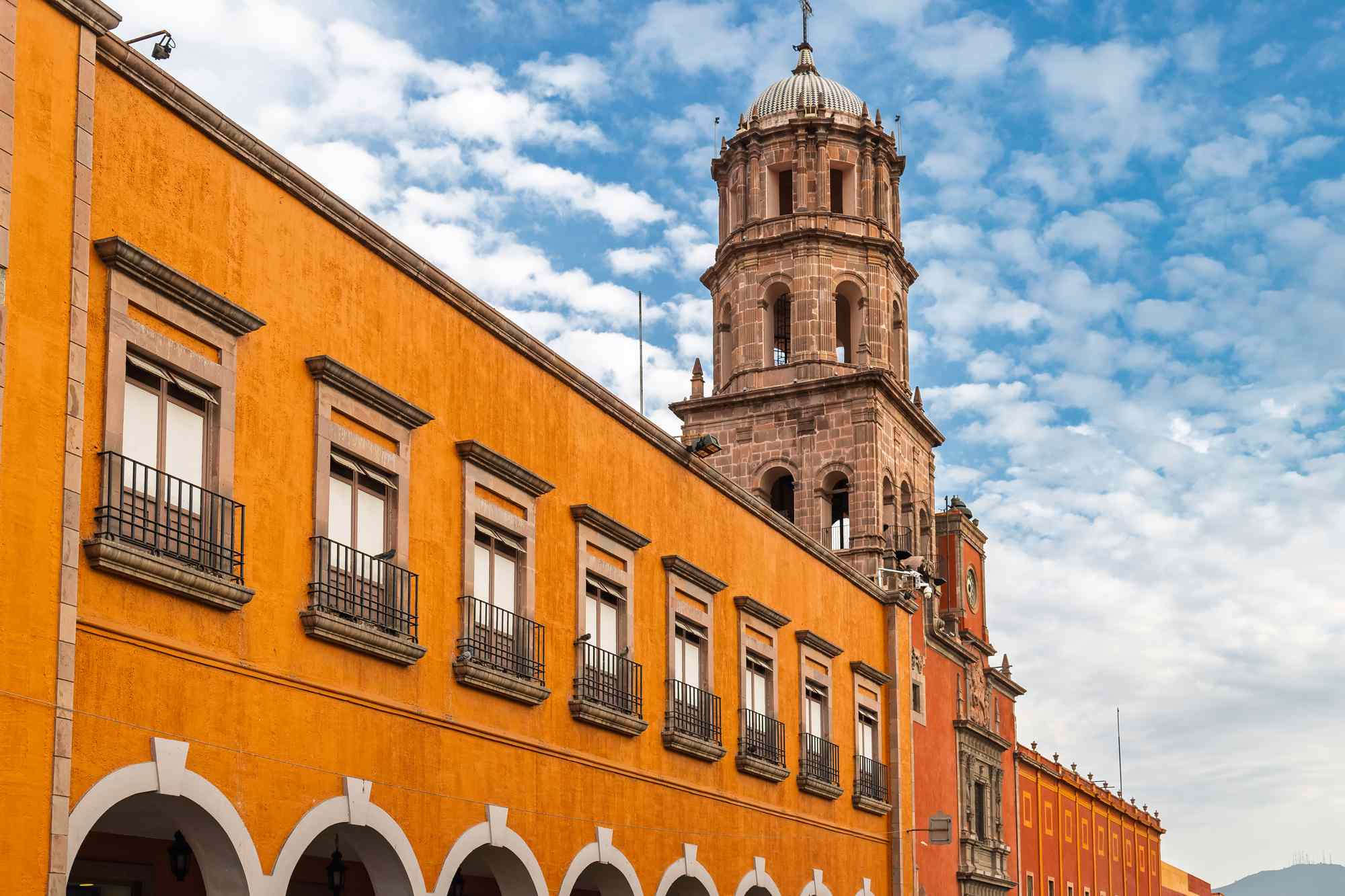
A City That Whispers Rather Than Shouts
There is a particular quality of light that falls across Querétaro's Plaza de Armas in late afternoon - golden, unhurried, the kind that makes even a quick coffee stretch into an hour. We have watched this city, located in Mexico's central highlands roughly three hours north of the capital, quietly build a reputation among domestic travelers while remaining largely unknown to the international crowd. It is not the Mexico of resort corridors or colonial darlings already thick with tour groups. It is something quieter, deeper, and increasingly harder to find: a place where history still feels lived-in rather than merely preserved.
At Global Chic Voyage, we have long believed that the most compelling destinations reveal themselves in layers. Santiago de Querétaro - often shortened simply to Querétaro - does exactly that. Its cobblestone streets and pastel facades might suggest a postcard, but linger a day or two and the city's real identity emerges: a place where Mexican independence was plotted in secret, where baroque churches hold stories of conspiracy and rebellion, and where the local obsession with gorditas - thick corn pockets stuffed and griddled - speaks to a culinary tradition as distinct as the region's sparkling wines.
The city's historic center earned UNESCO World Heritage designation, and rightly so. But what strikes us most is not the official recognition; it is the way locals still gather in tree-lined plazas at dusk, the way market vendors at Mercado La Cruz greet regulars by name, the way evening light catches the arches of an 18th-century aqueduct that no longer carries water but still defines the skyline.
The Architecture of Revolt
Querétaro's built environment is inseparable from its political past. Walk through the Historic Monuments Zone and you are tracing the footsteps of Miguel Hidalgo y Costilla and Doña Josefa Ortiz de Domínguez, figures central to the country's fight for independence. Teatro de la República, with its neoclassical columns and red-velvet interior, is where Mexico's 1917 Constitution was signed. Casa de la Corregidora, meanwhile, witnessed the clandestine meetings of revolutionaries who plotted regime change behind closed doors.
When the conspiracy was uncovered, it was Doña Josefa who sent the warning that forced the group to act ahead of schedule, prompting Hidalgo to issue his Grito de Dolores in what is now Guanajuato - a rallying cry that ignited armed resistance against Spanish rule. For travelers who want to understand the sinews of modern Mexico, Querétaro offers a narrative that is both intimate and foundational.
The aqueduct, too, tells a story. Built in the 18th century to supply water to the growing city, its seventy-four arches stretch across the landscape like a stone spine. Though no longer functional, the structure remains a symbol of colonial engineering and ambition. We recommend visiting Mirador de los Arcos at golden hour, when the arches glow amber and the city unfolds below in soft focus.
Where to Rest Your Head
Querétaro's boutique hotel scene has evolved in recent years, blending historical architecture with contemporary design sensibility. Hotel Criol, tucked behind an unassuming facade steps from Plaza de Armas, exemplifies this balance. The property pairs modern Mexican art with clean lines and an underground library housing more than seven thousand volumes - a space as dramatic as it is serene. Jacaranda trees shade the courtyard; the rooftop terrace offers city views best enjoyed with a mezcal in hand.
For those drawn to old-world atmosphere, Hotel La Casa de la Marquesa occupies an 18th-century mansion that once belonged to a noble family. High ceilings, antique furnishings, and period details transport guests to the colonial era without sacrificing comfort. Hotel Hidalgo, in operation since 1825, retains its central courtyard and colonial charm; it is said to have welcomed General Antonio López de Santa Anna among its guests over the centuries.
Each property reflects a different facet of Querétaro's identity - design-forward, historically rooted, or quietly enduring. What they share is proximity to the city's most compelling quarters and an understanding that luxury here is measured not in ostentation but in thoughtful detail.
A Culinary Landscape Shaped by Altitude and Tradition
Querétaro's food culture is both hyperlocal and surprisingly cosmopolitan. The city sits in a high-altitude zone conducive to viticulture, and the surrounding countryside has become one of Mexico's most important wine regions, known particularly for Cava-style sparkling wines and crisp whites. The so-called Ruta del Queso y el Vino - the cheese and wine route - winds through estates and small producers, offering tastings that rival those of better-known regions.
But it is the gordita that captures Querétaro's essence most vividly. Unlike versions found elsewhere in Mexico, the local iteration is made with a coarser masa, giving it a heartier texture and more pronounced corn flavor. At Mercado La Cruz, the stall run by El Güero y Lupita has become something of a pilgrimage site for those in the know. Fillings range from chicharrón to rajas, each gordita griddled to order and served hot.
Techol, located in a remodeled house in the historic center, reimagines Mexican flavors through contemporary technique. The presentation is artful, the portions generous, the atmosphere unpretentious. For a more romantic setting, Hacienda Laborcilla occupies a former estate with gardens and dramatic interiors; the menu draws from European influences - burrata, risotto - while anchoring itself in Mexican staples like huitlacoche and locally grown corn.
Terraza La Grupa, a rooftop spot with an easygoing social energy, is where the city comes to unwind. Craft cocktails, live music, and views that stretch across terracotta rooftops make it an ideal perch for watching the sun dip below the horizon.
Markets, Monoliths, and the Countryside Beyond
Querétaro rewards slow exploration, but the surrounding region offers compelling day trips for those willing to venture beyond the city limits. Bernal, a village accessible by local bus, is home to the Peña de Bernal - a monolith widely recognized as one of the largest in the world and considered one of Mexico's natural wonders. The climb is steep but manageable; the view from the base alone is worth the journey.
Tequisquiapan, known locally as Tequis, is a hub for artisanal cheese and wine production. The town's Sunday market draws vendors from across the region, selling everything from handwoven textiles to aged quesos. In the Sierra Gorda, waterfalls cascade through subtropical forest; the Cuatro Palos overlook offers panoramic views of the biosphere reserve, a landscape of canyons and cloud forest that feels worlds away from the city's colonial grid.
Back in Querétaro proper, the markets offer their own kind of immersion. Mercado El Tepetate is where locals shop for spices, produce, and homestyle antojitos. The energy is unhurried, the vendors chatty, the experience refreshingly unpolished. Plaza de Armas hosts an artisan market where you can find handcrafted jewelry, ceramics, and the Lele doll - an emblematic craft from the village of Amealco that has become a symbol of the state.
When to Go, How to Move
The dry season, stretching from November through April, offers the most temperate weather and clearest skies. Summer brings rain, which softens the landscape but can complicate outdoor plans. We have found late autumn and early spring to be particularly rewarding, when the jacarandas bloom and the city's plazas fill with a kind of leisurely energy.
Querétaro is compact and walkable, especially within the historic center. Taxis and ride-hailing services are reliable for longer distances or evening outings. For day trips into the countryside, local buses depart regularly from the central terminal; guided tours are also available for those who prefer structure or lack fluency in Spanish.
Why Querétaro Endures
There are cities that announce themselves loudly, and there are those that require patience. Querétaro belongs to the latter category. It does not dazzle on first glance, nor does it try to. Instead, it offers something more durable: a sense of place rooted in history, a culinary identity shaped by geography and tradition, and a pace of life that feels increasingly rare in a country where tourism often reshapes the very thing it seeks.
At Global Chic Voyage, we return to places that reward attention rather than demand it. Querétaro, with its aqueduct arches and secret histories, its gorditas and estate wines, its plazas where locals still gather at dusk, is one of those places. It is not a secret in the truest sense - domestic travelers have known its appeal for years - but it remains refreshingly untroubled by the crowds that define so many of Mexico's colonial cities. For now, at least, it whispers rather than shouts. And that, we think, is precisely the point.
Spot something wrong? Email editors@globalchicvoyage.com. We log every correction publicly.
RELATED
SEE ALL →
8 Aug 2026 / 5 min
7 Aug 2026 / 5 min

31 Jul 2026 / 5 min
31 Jul 2026 / 5 min